





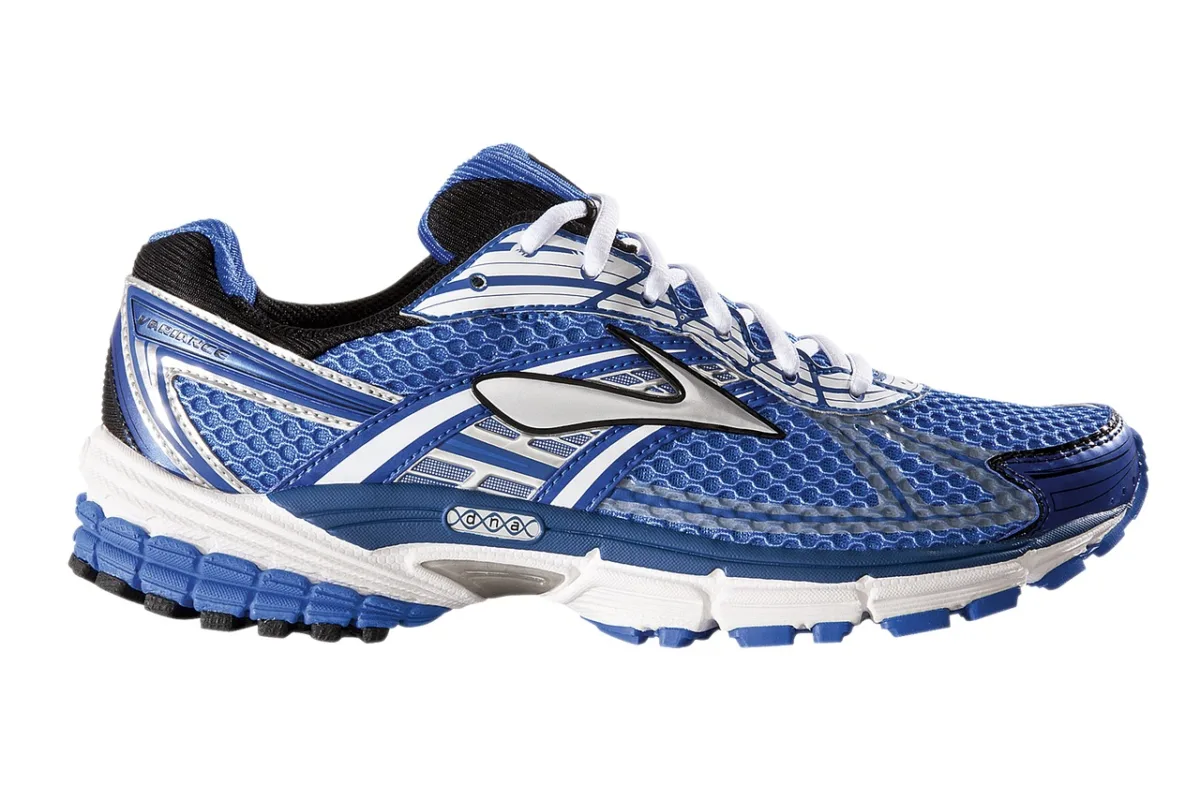
New Balance has officially expanded its high-performance footwear lineup this month with the global release of the Ellipse, a specialized running shoe designed to optimize energy return for dedicated road athletes. Developed at the company’s innovation labs in Boston, the sneaker targets runners seeking a balance between lightweight construction and aggressive mechanical responsiveness during mid-distance training sessions.
Understanding the Technical Evolution
The running shoe market has seen a rapid shift toward maximalist cushioning and carbon-plate technology over the past three years. New Balance’s entry into this segment with the Ellipse represents a strategic pivot toward refined geometry rather than simply increasing stack height.
Industry analysts note that while many competitors focus on marathon-distance propulsion, the Ellipse is engineered specifically for the tempo and threshold runs that define a runner’s weekly routine. This focus on versatility aims to capture the segment of the market that demands high performance without the instability often found in race-day super shoes.
Performance Dynamics and Design
The defining feature of the Ellipse is its proprietary foam compound, which provides a distinctively bouncy ride that remains consistent across varying temperatures. During rigorous testing, the shoe demonstrated a unique ability to minimize ground contact time, a metric highly valued by athletes looking to improve their cadence and efficiency.
However, the design is not without its specific requirements. The shoe’s geometry emphasizes a forward-leaning stance, which may feel unconventional for runners accustomed to traditional, neutral-platform trainers. This creates a highly efficient transition for mid-foot strikers, though heel-strikers may find the sensation requires a brief adjustment period.
Expert Perspectives on Market Impact
“The industry is moving toward highly specialized tools for specific training phases,” explains biomechanics consultant Dr. Aris Thorne. “New Balance has recognized that the ‘one shoe fits all’ mentality is fading, and the Ellipse serves as a prime example of tuning a chassis for a specific mechanical output.”
Market data from the Running Industry Association indicates that consumers are increasingly purchasing multiple pairs of shoes tailored to specific workout types. This trend favors brands like New Balance that provide a clear narrative around the intended use-case for each new model, rather than relying on generic marketing.
Future Implications for Runners
As the footwear sector continues to integrate advanced polymers and 3D-printed components, the threshold for what constitutes a ‘daily trainer’ is rising. The Ellipse demonstrates that the next generation of running equipment will prioritize energy conservation just as much as comfort.
Athletes should watch for how New Balance incorporates the Ellipse’s midsole geometry into its upcoming marathon-racing lineup in the next fiscal year. Success for this model will likely trigger a broader shift in the industry toward ‘tuned’ performance, where shoes are marketed by their mechanical properties rather than just their weight or aesthetic appeal.