




The Pentagon announced this week that it will withdraw approximately 5,000 U.S. military personnel from Germany within the next twelve months, a move that signals a significant shift in transatlantic defense posture. The decision, confirmed by defense officials, comes amid heightened diplomatic friction between the Trump administration and German Chancellor Angela Merkel regarding regional security policies and international tensions concerning Iran.
Context of the Transatlantic Alliance
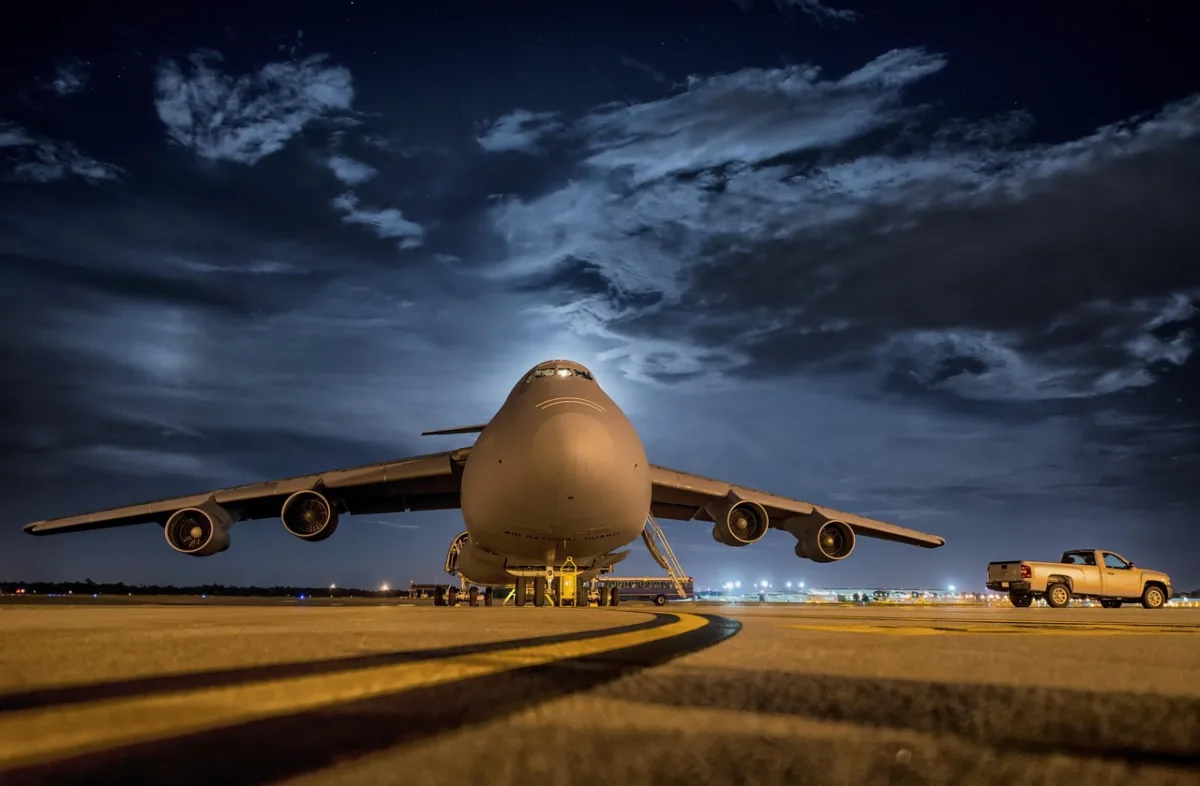
For decades, Germany has served as the primary hub for U.S. military operations in Europe, hosting the largest contingent of American forces on the continent. These bases, including Ramstein Air Base, have been critical for logistics, intelligence gathering, and power projection throughout Europe, Africa, and the Middle East.
The current realignment follows years of debate over defense spending obligations within NATO. The U.S. has repeatedly pressured European allies to meet the alliance’s target of spending 2% of their GDP on defense, with Germany frequently cited as falling short of these benchmarks.
Operational Shifts and Strategic Rationale
Military analysts suggest the withdrawal is part of a broader Pentagon effort to reorganize its global footprint. By reducing the reliance on static European bases, the Department of Defense aims to increase the agility of its forces, focusing more on rotational deployments rather than permanent stationing.
However, the timing of the announcement has raised concerns among European security experts. Critics argue that thinning the U.S. presence in Germany undermines the collective security framework that has maintained stability in the region since the end of the Cold War.
Expert Perspectives on Security
“The reduction of 5,000 troops is a tactical adjustment, but it carries immense symbolic weight,” said Dr. Elena Rossi, a senior fellow at the Center for European Strategic Studies. “When the U.S. signals a withdrawal from its most vital European base, it inadvertently questions the depth of the American commitment to the NATO Article 5 mutual defense guarantee.”
Data from the Department of Defense indicates that while some units will return to the United States, others may be repositioned elsewhere in Europe or the Indo-Pacific. This redistribution is intended to counter rising geopolitical challenges in other theaters, though it leaves a vacuum in the Central European defense architecture.
Implications for Global Defense
The drawdown presents a dual challenge for European leaders. First, they must determine how to fill the capability gaps left by departing American specialized units. Second, they face the diplomatic task of recalibrating their relationship with Washington to ensure that intelligence and logistical cooperation remain unaffected by political disagreements.
For the defense industry, the move suggests a pivot toward more mobile, technologically integrated force structures. Observers should monitor the specific units slated for removal, as their departure will indicate which military capabilities the U.S. deems less critical for the European theater moving forward. Upcoming NATO summits will likely serve as the primary venue for addressing the fallout of this decision and establishing a new roadmap for burden-sharing among member nations.