




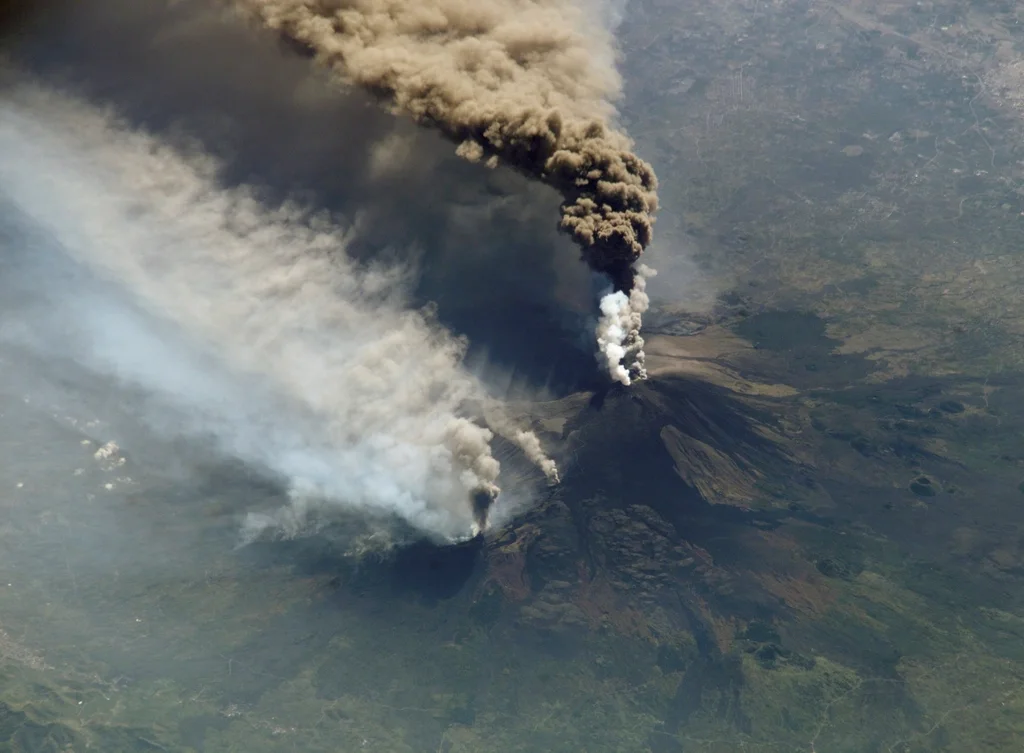
More than 300 families fled their homes in the Philippines this week as a volcanic eruption blanketed 87 villages across three towns in thick ash, forcing emergency evacuations and paralyzing local transit. Local disaster management officials confirmed that while the sudden surge of volcanic activity caught residents off guard, no injuries or fatalities have been reported as of Thursday morning.
The Philippines is situated along the Pacific ‘Ring of Fire,’ a region known for high seismic and volcanic activity caused by the movement of tectonic plates. The country hosts dozens of active volcanoes, and the Philippine Institute of Volcanology and Seismology (PHIVOLCS) maintains a constant monitoring network to provide early warnings for communities living in high-risk zones.
The Impact of Volcanic Ash
The sudden eruption released massive plumes of ash into the atmosphere, which quickly drifted over populated regions. The resulting fallout reduced visibility to near zero in several areas, forcing motorists to abandon vehicles or navigate at a crawl. Authorities have advised residents in the affected towns to wear N95-grade masks and remain indoors to prevent respiratory complications from inhaling fine volcanic particulate matter.
Emergency response teams have mobilized to assist in the evacuation process, prioritizing families living within the immediate danger zones. Disaster relief centers are currently providing temporary shelter, food, and medical assessments to the displaced families. Government agencies are also coordinating the distribution of cleaning supplies to help residents clear ash from rooftops, as heavy accumulation can pose a structural risk to buildings.
Scientific Analysis and Monitoring
Geologists are currently analyzing seismic data to determine the duration and intensity of this eruption cycle. According to recent reports from PHIVOLCS, the volcano has exhibited elevated levels of tremors over the past 48 hours, signaling ongoing internal pressure. Experts warn that the situation remains fluid, and further explosions remain a distinct possibility until the internal volcanic activity stabilizes.
Data from local meteorological stations indicates that wind patterns are currently pushing the ash clouds toward the north, potentially impacting neighboring municipalities not yet under evacuation orders. Air quality sensors have been deployed to monitor sulfur dioxide levels, which are common indicators of volcanic gas emissions during an eruption. These metrics are critical for determining when it will be safe for displaced families to return to their homes.
Industry and Community Implications
The disruption to local infrastructure serves as a stark reminder of the challenges posed by natural disasters in the region. Agricultural sectors in the affected towns are particularly vulnerable, as volcanic ash can contaminate water sources and smother crops, leading to significant economic losses for local farmers. Supply chains in the region have also slowed as transportation routes remain clogged with debris and restricted by safety checkpoints.
Looking ahead, local government units are expected to review and reinforce their volcanic disaster preparedness plans. Future monitoring will focus on long-term air quality trends and the potential for secondary hazards, such as lahars—mudflows composed of volcanic material and water—which often occur during heavy rainfall following an eruption. Residents are encouraged to monitor official government channels for updates on evacuation orders and safety protocols as the situation evolves.