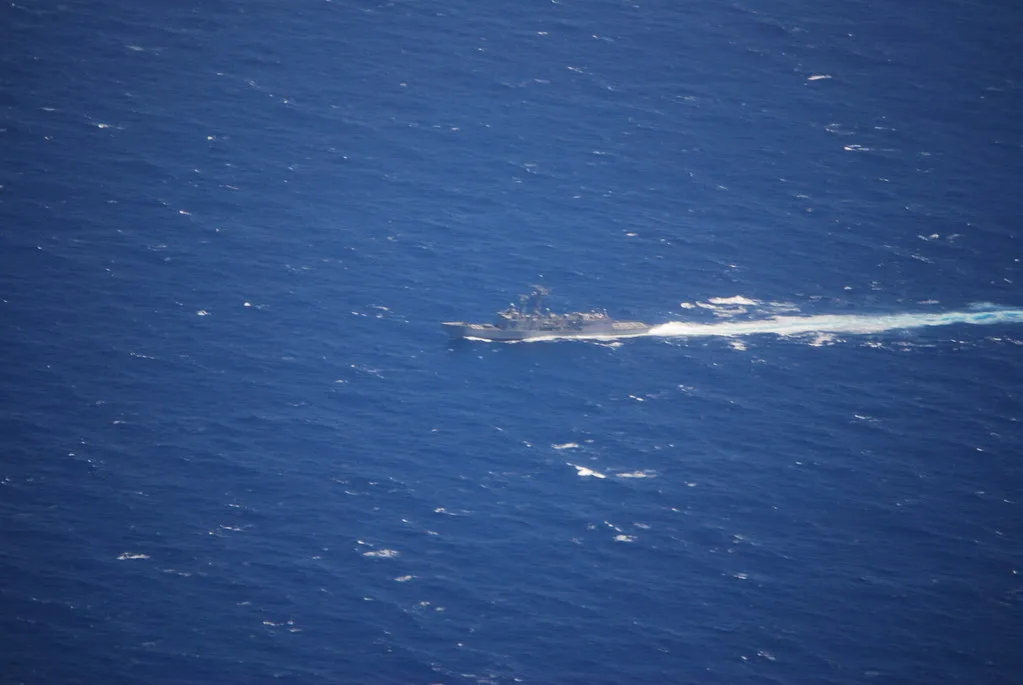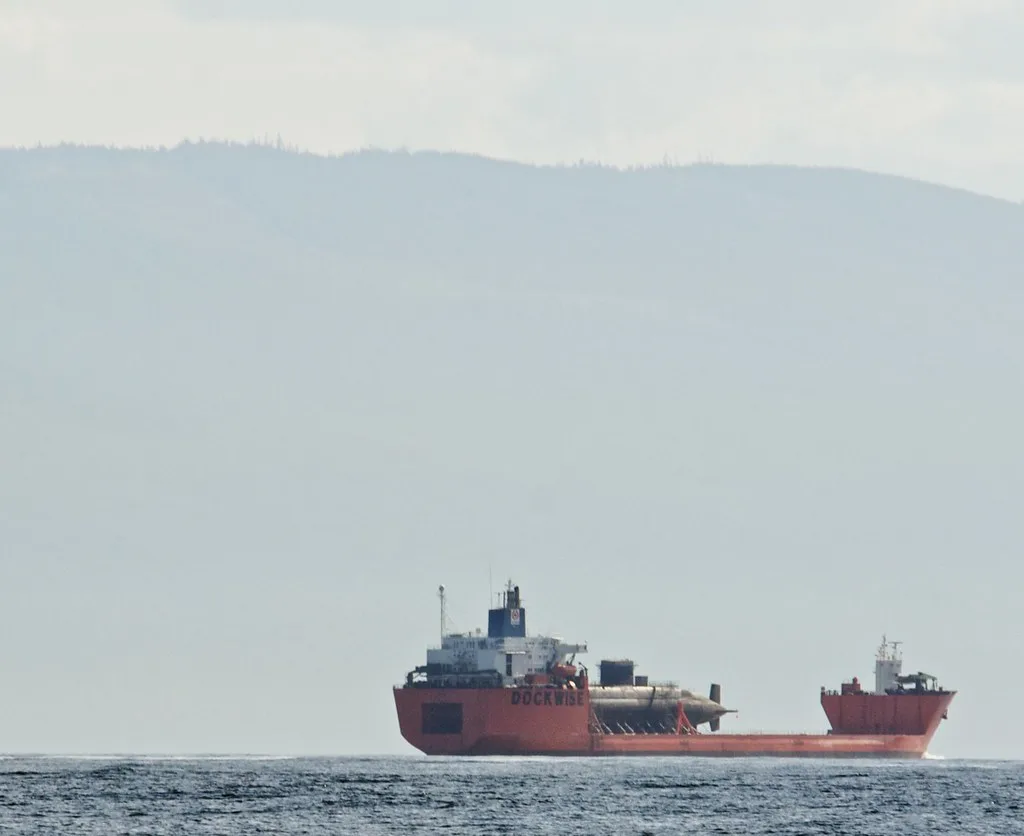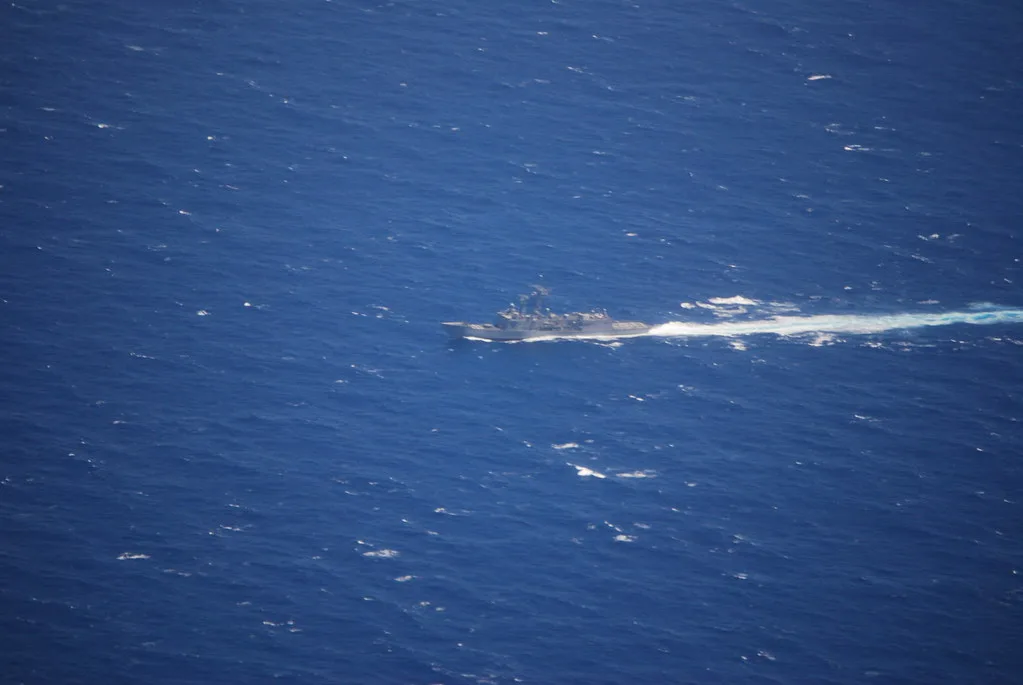




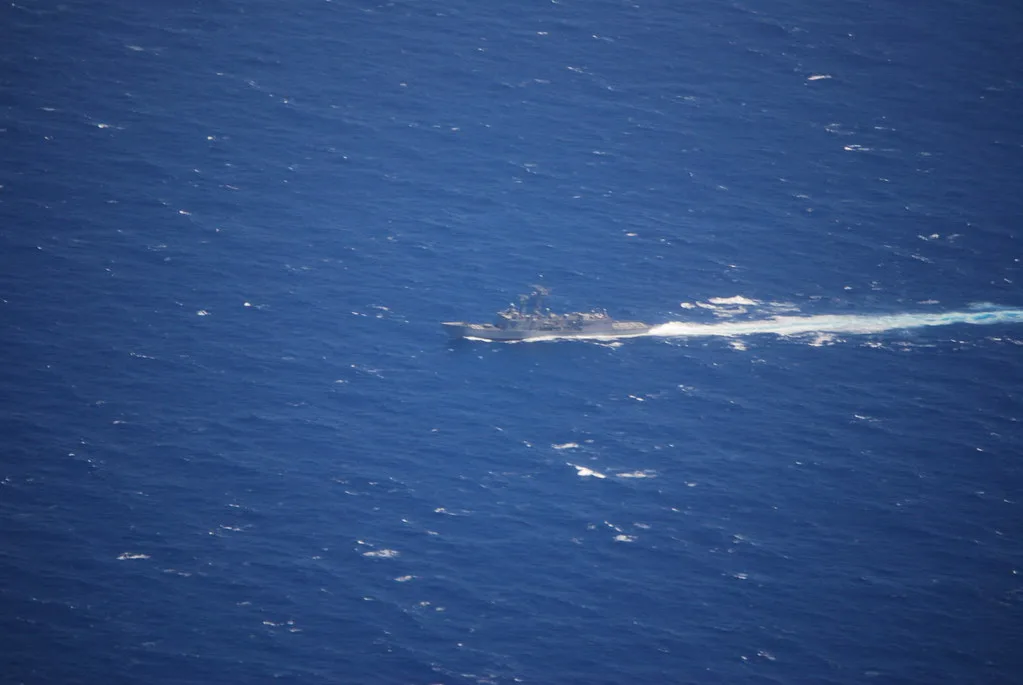
The United States military confirmed this week that two commercial tankers successfully transited the Strait of Hormuz under the newly established ‘Project Freedom,’ a protective maritime escort initiative, even as Iranian forces allegedly targeted a separate United Arab Emirates-flagged vessel in the same strategic waterway.
The incident highlights the intensifying friction in one of the world’s most vital energy transit chokepoints. While the U.S. Navy reported that its mission successfully deterred interference for the vessels under its direct protection, the reported attack on the UAE tanker underscores the persistent vulnerability of commercial shipping in the Persian Gulf.
The Strategic Significance of the Strait
The Strait of Hormuz serves as the primary maritime conduit for approximately 20% of the world’s total petroleum consumption. According to the U.S. Energy Information Administration, the narrow passage is a critical chokepoint that connects Persian Gulf producers to global markets.
Any disruption to traffic through these waters has historically triggered significant volatility in global oil prices. The current U.S.-led effort, Project Freedom, was designed specifically to reassure international shipping companies that the waterway remains open to global trade despite regional hostilities.
Conflicting Reports and Regional Dynamics
The UAE has officially reported that one of its tankers came under fire during the transit, though Iranian officials have remained largely silent regarding the specific allegations. This discrepancy in reporting reflects the broader information war that accompanies physical maritime skirmishes.
Military analysts suggest that Iran utilizes these tactics to exert leverage over Western powers and regional rivals. By intermittently challenging shipping, Tehran signals its ability to disrupt global economic stability without necessarily escalating into a full-scale conventional war.
Expert Perspectives on Maritime Security
Dr. Elena Rossi, a senior maritime security fellow, notes that the implementation of escort missions is a double-edged sword. ‘While these missions provide a necessary security umbrella, they also increase the density of military assets in a confined space,’ she explained.
Data from the International Maritime Bureau indicates a rising trend in state-sponsored harassment of commercial vessels over the past eighteen months. Security experts warn that the presence of U.S. warships creates a higher risk of accidental engagement, where a minor miscalculation could lead to a rapid escalation of hostilities.
Implications for Global Trade
For the shipping industry, the immediate implication is rising insurance premiums and operational complexity. Major shipping firms are now forced to weigh the cost of regional transit against the potential for costly delays or vessel seizures.
The long-term impact on energy markets remains uncertain. If Project Freedom fails to maintain consistent security, multinational corporations may seek alternative, albeit more expensive, transport routes, permanently altering the economics of energy distribution.
Observers are now watching for the next phase of the U.S. mission, specifically whether the mandate will expand to cover a broader range of civilian traffic. Future stability in the region will likely depend on whether regional actors can reach a de-escalation agreement or if the Strait of Hormuz becomes a permanent theater of high-stakes maritime confrontation.