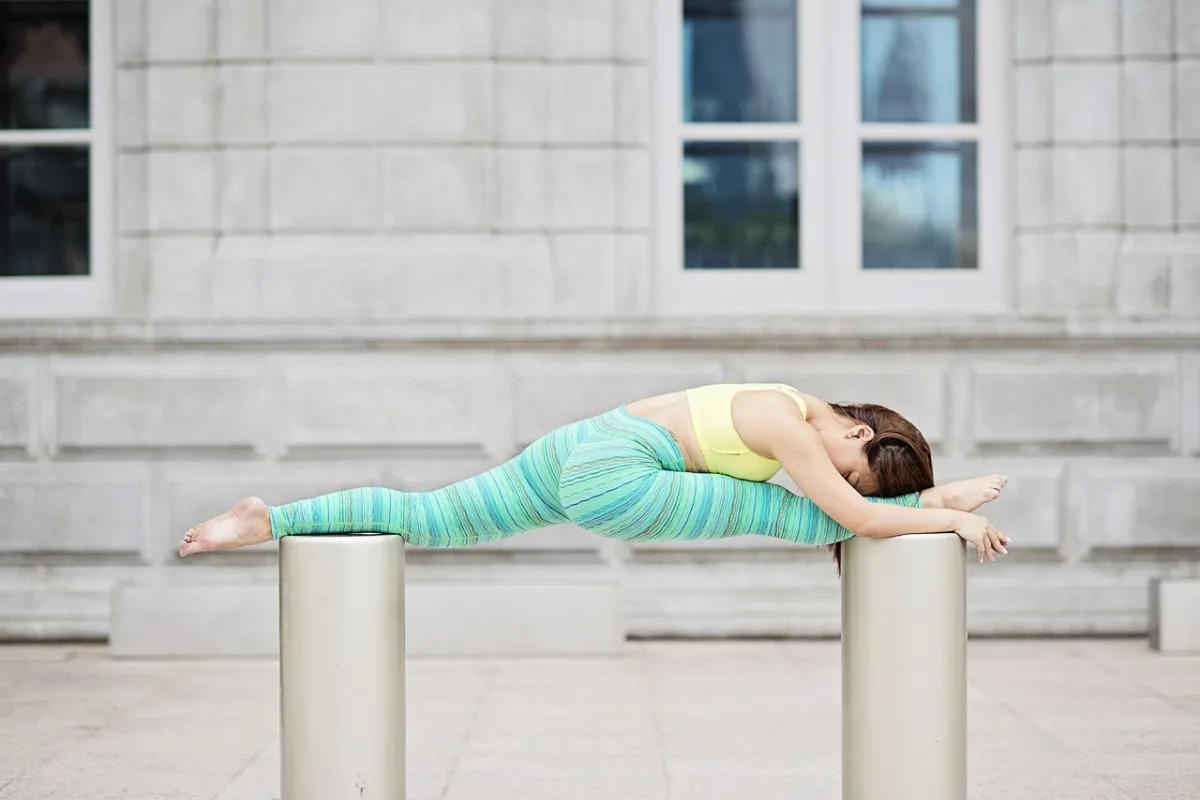






Pilates, a century-old system of controlled movements, has surged to the forefront of the global fitness industry in 2024, captivating millions of practitioners from boutique studios in Los Angeles to digital communities worldwide. Once considered a niche regimen for elite dancers and physical therapy patients, the method has transformed into a mainstream wellness staple, driven by a cultural shift toward functional fitness and mental health integration.
A Legacy of Controlled Movement
Developed by Joseph Pilates in the early 20th century, the method was originally titled “Contrology.” Pilates, a German physical trainer, designed the system to rehabilitate injured soldiers during World War I by using bed springs and resistance-based apparatuses.
His philosophy prioritized core strength, postural alignment, and the mind-body connection. Unlike high-intensity interval training (HIIT) that dominated the 2010s, Pilates focuses on slow, deliberate muscle engagement that emphasizes quality of movement over sheer repetition.
The Modern Resurgence
The current explosion in popularity is largely attributed to the rise of social media platforms and the accessibility of “mat Pilates” at home. According to recent industry reports from the International Health, Racquet & Sportsclub Association (IHRSA), low-impact exercise formats have seen a 45% increase in participation since 2021.
Digital platforms have democratized the practice, removing the barrier of expensive studio memberships. Furthermore, the aesthetic shift in fitness culture—moving away from extreme bulking toward “lean” and “toned” physiques—has positioned Pilates as the preferred modality for a younger, trend-conscious demographic.
The Science Behind the Strength
Experts in kinesiology suggest that the efficacy of Pilates lies in its focus on the “powerhouse,” or the deep abdominal muscles. Research published in the *Journal of Bodywork and Movement Therapies* indicates that consistent Pilates practice significantly improves lumbar stability and reduces chronic back pain.
Dr. Elena Rossi, a physical therapist specializing in sports medicine, notes that the modality serves as a vital bridge between rehabilitation and high-performance athletics. “Pilates corrects the muscular imbalances created by sedentary desk work,” Rossi explains. “It teaches the body how to move with efficiency, which translates to better performance in every other physical activity.”
Implications for the Fitness Industry
For the fitness industry, the pivot toward low-impact training represents a permanent evolution in gym programming. Traditional big-box gyms are now rapidly reallocating floor space from heavy cardio equipment to dedicated Pilates studios and reformer machines.
The trend also highlights a consumer preference for “holistic” wellness rather than strictly aesthetic results. As the industry matures, stakeholders are watching to see if the Pilates boom will stabilize into a long-term habit or fluctuate as the next fitness fad emerges.
Looking ahead, the integration of wearable technology with Pilates practice is the next frontier. Expect to see “smart” reformers and AI-driven apps that provide real-time feedback on form, potentially bridging the gap between independent home practice and professional, in-person instruction.