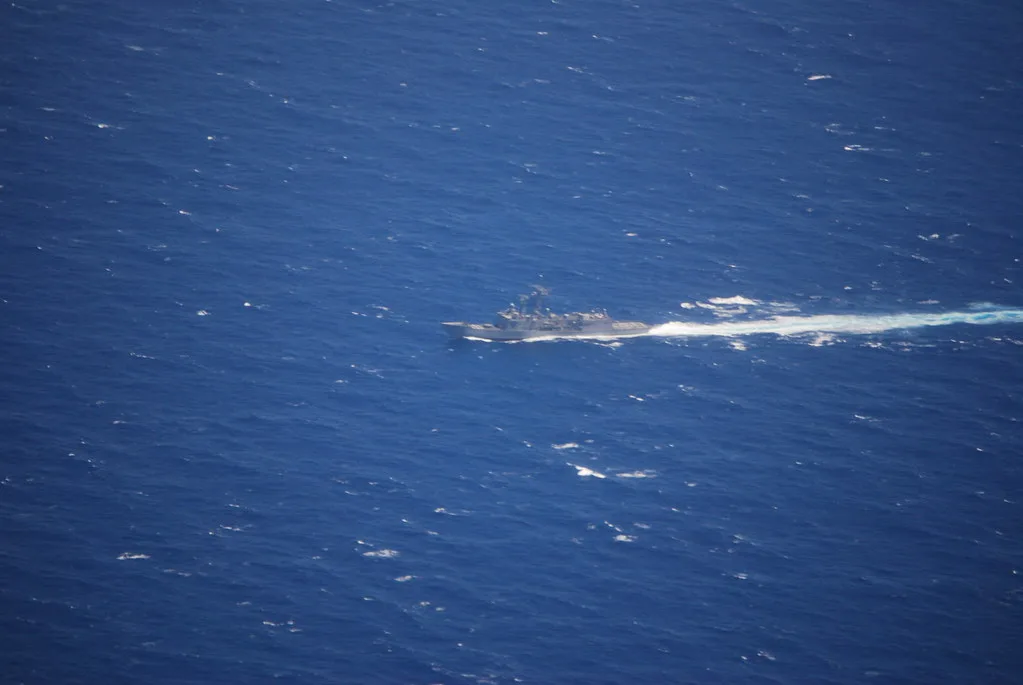





U.S. Central Command (CENTCOM) officially denied on May 4 that any American naval vessels were struck or forced to retreat after Iranian state media alleged that missiles were fired at a U.S. frigate in the Strait of Hormuz.
The reports, which surfaced early Thursday, claimed that Iranian forces successfully deterred a U.S. warship from entering the strategic waterway. Pentagon officials have categorically rejected the narrative, maintaining that all U.S. operations in the region remain consistent with international maritime law.
Context of the Strait of Hormuz
The Strait of Hormuz serves as one of the world’s most critical maritime chokepoints, through which approximately one-fifth of the world’s total oil consumption passes daily. The narrow passage has long been a focal point of geopolitical friction between Tehran and Washington.
Tensions in the region have escalated periodically over the last decade, often manifesting in close encounters between the U.S. Navy and the Iranian Revolutionary Guard Corps (IRGC) Navy. These incidents typically involve high-speed, small-craft interceptions or provocative maneuvers in international waters.
Analyzing the Conflicting Narratives
The discrepancy between the Iranian state media reports and the official U.S. account highlights the ongoing information warfare accompanying physical naval posturing. Analysts suggest that such claims are frequently designed for domestic consumption within Iran to project strength against perceived Western encroachment.
Military observers note that the U.S. maintains a robust presence in the Persian Gulf, utilizing Aegis-equipped destroyers and frigates capable of detecting and intercepting incoming projectiles. No evidence of such an engagement, such as debris or sensor logs from regional allies, has been presented to support the Iranian account.
Data and Strategic Implications
According to the U.S. Fifth Fleet, which oversees naval operations in the Middle East, the safety of navigation remains a primary objective. The U.S. continues to conduct routine patrols to ensure the free flow of commerce, despite frequent warnings from Iranian officials regarding the presence of foreign warships.
Independent maritime security firms have observed an increase in rhetoric, though actual kinetic engagement remains rare. The lack of confirmation from third-party sources suggests that the incident may have been a mischaracterization of routine naval maneuvering rather than a direct hostile engagement.
Future Outlook and Regional Stability
The industry is now watching for potential responses to these conflicting reports, particularly regarding the potential for increased military drills in the area. Experts suggest that the primary concern for the shipping industry is the risk of miscalculation during these high-stakes encounters.
Observers will monitor whether this event leads to a formal diplomatic protest or if it is relegated to the ongoing cycle of regional posturing. The stability of global energy markets remains tied to the security of the Strait, making any reports of conflict, regardless of their veracity, a catalyst for heightened volatility in oil futures.