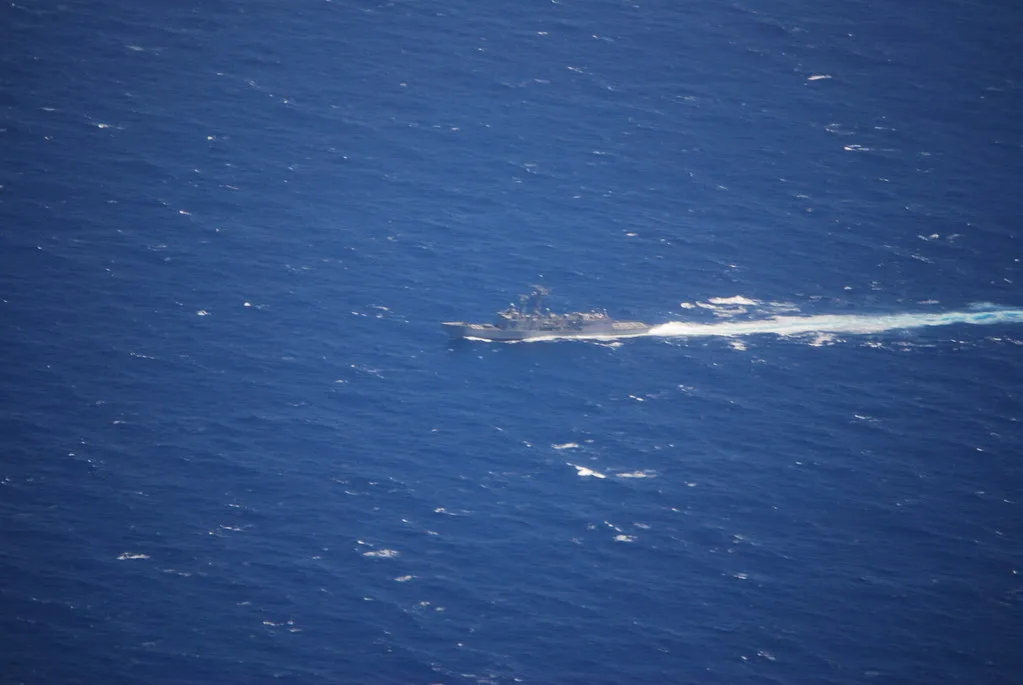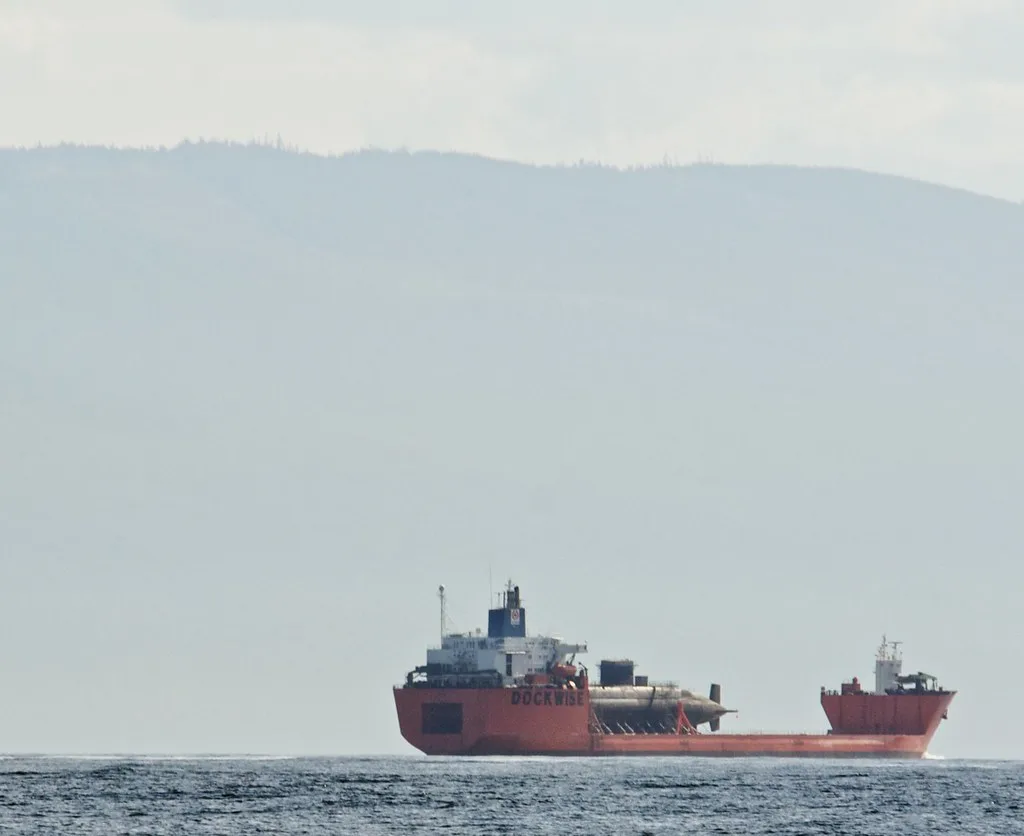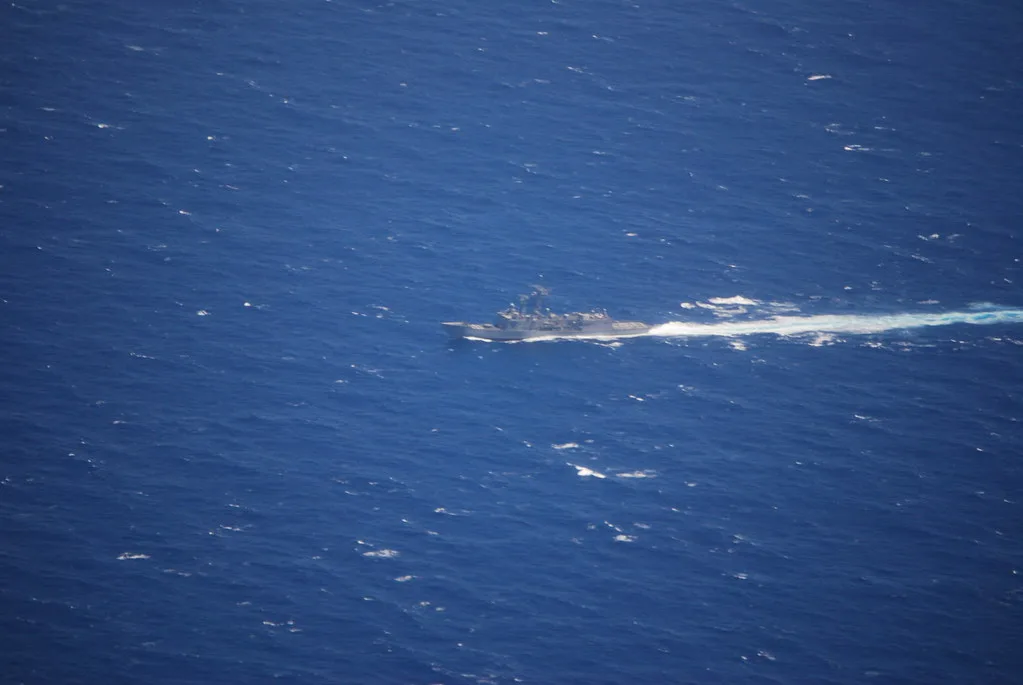





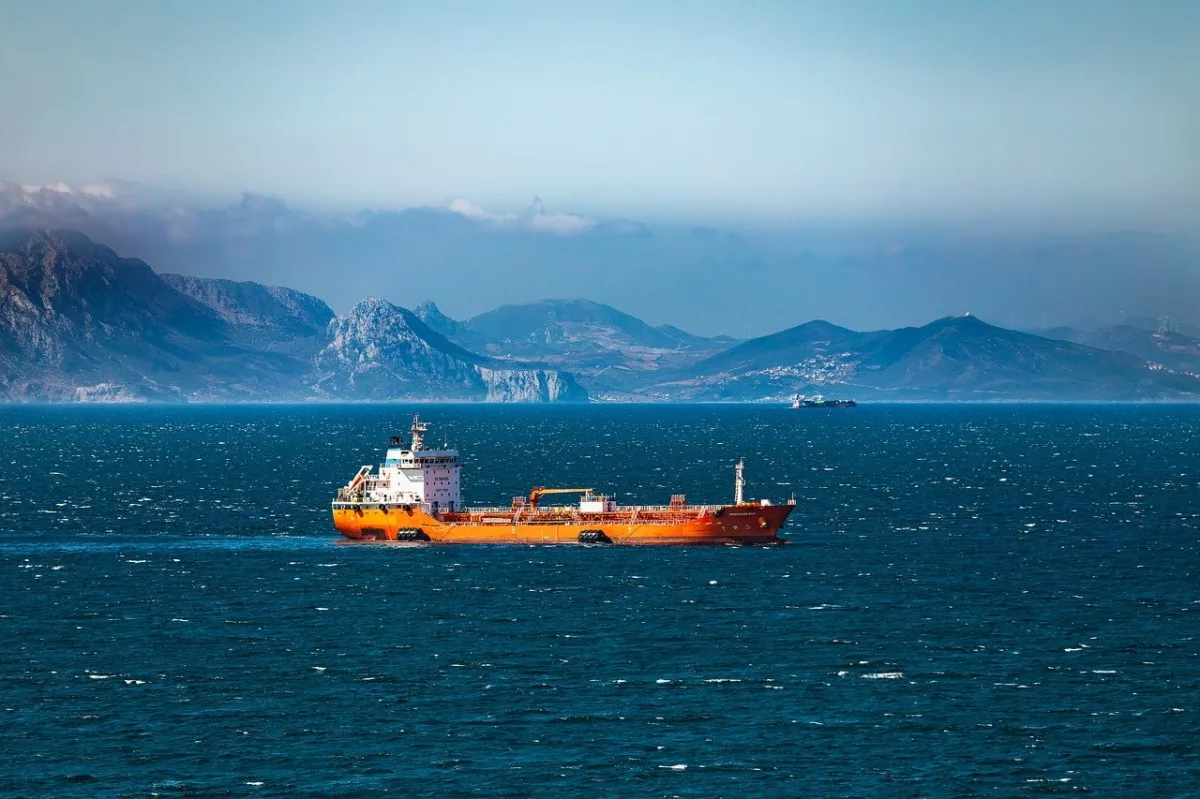
The United States government, acting through a newly established military task force, officially launched an operation this week to escort commercial vessels through the Strait of Hormuz. President Trump announced that the U.S. will proactively guide ships not involved in the ongoing conflict with Iran through the narrow, high-stakes waterway, signaling a significant escalation in American maritime presence in the Persian Gulf.
Strategic Background of the Strait
The Strait of Hormuz serves as one of the world’s most critical maritime chokepoints, with approximately 20% of the world’s total oil consumption passing through its narrow passage daily. For decades, the region has been a flashpoint for geopolitical tension, often serving as a barometer for relations between Western powers and Tehran.
Recent months have seen an increase in regional instability, including incidents involving tanker seizures and suspected sabotage. These events have prompted major shipping conglomerates to raise insurance premiums, effectively increasing the cost of global energy logistics.
Operational Scope and Execution
The U.S.-led task force, comprised of coalition naval assets, has begun coordinating transit windows for tankers and cargo ships seeking safe passage. This initiative aims to maintain the flow of global commerce while preventing the escalation of direct military confrontations between commercial actors and regional belligerents.
Defense officials emphasize that the mission is strictly defensive in nature, focusing on monitoring and protective surveillance. By providing a visible presence, the task force intends to deter potential interference with neutral vessels attempting to navigate the international transit corridor.
Expert Perspectives and Data
Maritime security analysts suggest that the deployment serves as a deterrent but caution that it inherently shifts the risk profile of the region. “The presence of a formal escort mission creates a clear line of demarcation between neutral commercial activity and military involvement,” noted an analyst from the International Maritime Security Institute.
Data from the Lloyd’s List Intelligence group indicates that even minor disruptions in the Strait can lead to immediate spikes in Brent Crude prices. The economic stability of global energy markets remains tethered to the perceived safety of these transit routes, making this intervention a high-stakes balancing act for the White House.
Future Implications for Global Trade
The long-term success of this operation depends on how regional actors respond to the increased naval footprint. If the escort mission effectively lowers insurance costs and restores shipping confidence, it may stabilize global energy prices in the short term.
Observers are now watching for signs of how the task force will manage potential challenges, such as unauthorized drone activity or naval harassment. The industry must prepare for a prolonged period of military-escorted trade, which could fundamentally alter the operational protocols for commercial fleets navigating the Middle East for the foreseeable future.