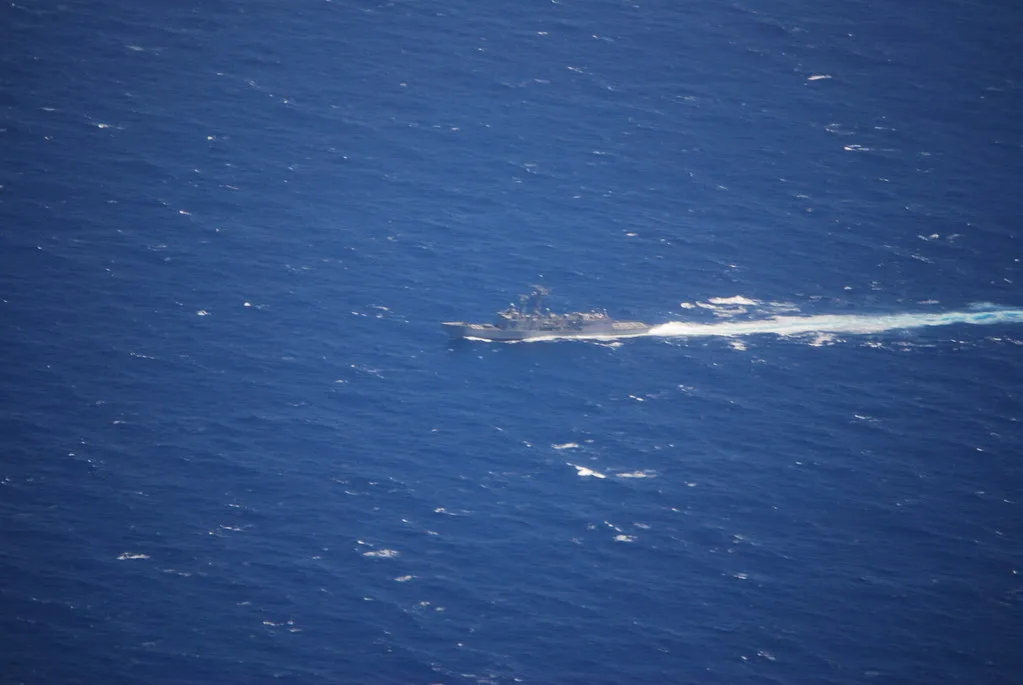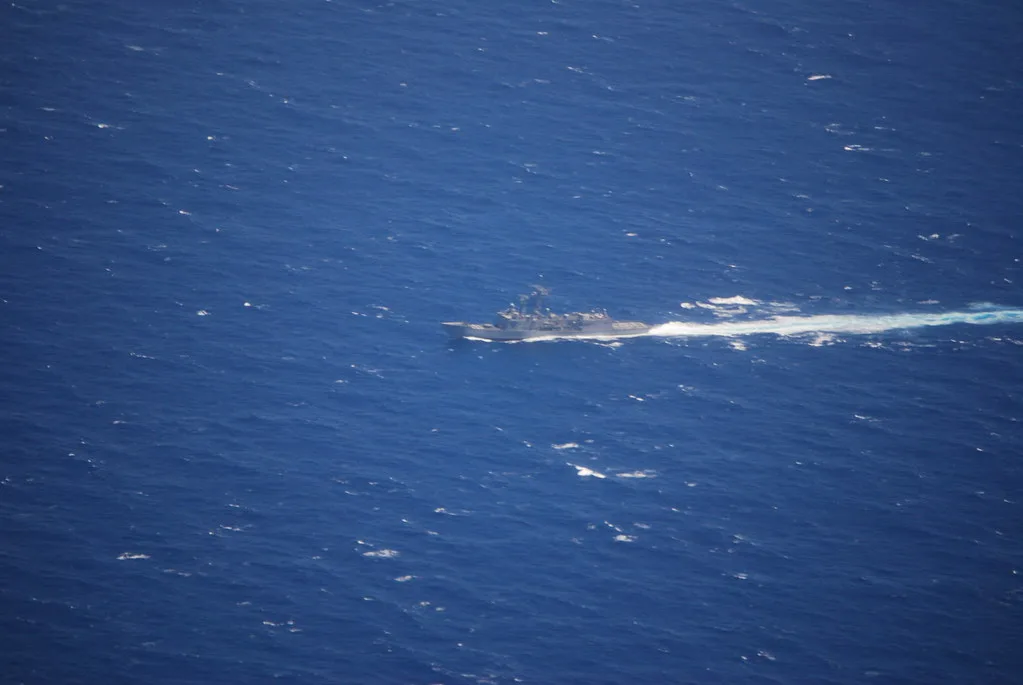





President Donald Trump announced on Monday the launch of “Project Freedom,” a strategic naval operation designed to guide stranded commercial vessels through the Strait of Hormuz. The initiative follows reports of U.S. forces engaging and neutralizing seven Iranian fast-attack boats that threatened the safe passage of international shipping in the critical waterway.
The Strategic Significance of the Strait
The Strait of Hormuz serves as the world’s most important oil transit chokepoint, with approximately 21 million barrels of oil passing through the narrow passage daily. This represents about one-fifth of the global petroleum liquid consumption, making it a focal point for international security and economic stability.
Tensions in the region have escalated over the past several months, characterized by a series of maritime incidents involving tanker seizures and harassment by Iranian naval assets. The U.S. government has consistently argued that the freedom of navigation in these international waters is a non-negotiable pillar of global commerce.
Details of the Engagement
According to military reports, the engagement occurred early Monday morning when U.S. naval assets identified a fleet of Iranian vessels maneuvering aggressively toward a group of merchant ships. Following standard warning protocols that went unheeded, U.S. forces utilized precision strikes to disable the hostile boats, preventing potential boarding attempts or sabotage.
The operation marks the first major deployment under the newly established Project Freedom framework. The initiative aims to provide a reliable security umbrella for commercial vessels operating in the Persian Gulf, effectively creating a protected corridor for ships that have previously been stranded due to regional volatility.
Expert Perspectives and Regional Dynamics
Defense analysts suggest that the deployment signals a shift toward a more proactive posture in the Middle East. “This is a clear move to re-establish deterrence in a region where the rules of the sea have been increasingly tested,” said maritime security expert Dr. Sarah Jenkins.
Data from the U.S. Energy Information Administration (EIA) underscores the stakes, noting that the Strait of Hormuz is the only sea route for Persian Gulf oil to reach the Indian Ocean. Any prolonged disruption to this transit point historically leads to immediate volatility in global energy markets, often resulting in sharp spikes in crude oil futures.
Implications for Global Markets
For the shipping industry, the implementation of Project Freedom offers a degree of predictability that has been absent during recent months of heightened maritime friction. Insurance premiums for vessels traveling through the Gulf are expected to fluctuate based on the perceived efficacy of these naval escorts.
Energy traders are closely monitoring the situation for signs of escalation from Tehran, as any retaliatory measures could further complicate regional transit. While the immediate security of the vessels is currently maintained, the long-term sustainability of the operation remains a subject of intense debate among policymakers.
Looking ahead, observers should monitor the frequency of Iranian naval patrols in the area and any diplomatic responses from neighboring Gulf nations. The success of Project Freedom will likely be measured by the volume of commercial traffic that successfully traverses the Strait without incident in the coming weeks, as well as the ability of the U.S. to maintain this operational tempo without triggering a broader regional conflict.