



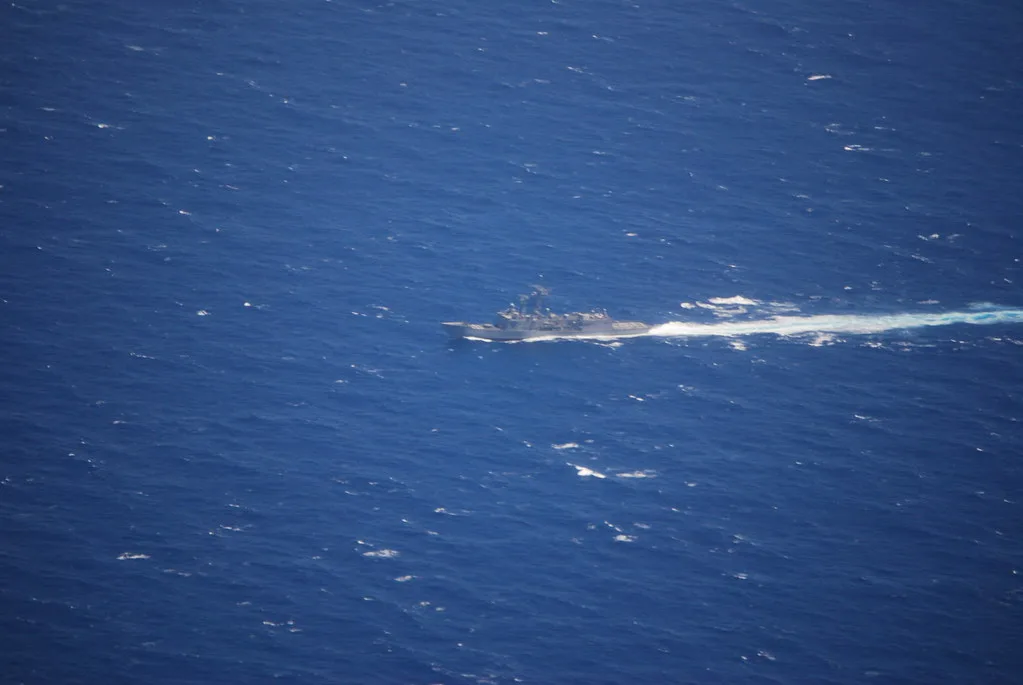
President Donald Trump announced on Sunday that the United States will begin escorting non-belligerent merchant vessels through the Strait of Hormuz, a critical maritime chokepoint currently affected by ongoing regional conflict. This strategic deployment aims to secure international shipping lanes while maintaining a strict blockade on Iranian ports, a move that follows a sharp 35-cent increase in U.S. gasoline prices over the past seven days.
Context of the Maritime Crisis
The Strait of Hormuz serves as a vital artery for the global energy supply, with approximately one-fifth of the world’s petroleum consumption passing through its narrow waters daily. Tensions in the region have escalated significantly in recent weeks, leading to disruptions in shipping schedules and heightened insurance premiums for commercial tankers.
The current volatility stems from a broader geopolitical standoff involving Iran, which has threatened to close the waterway in response to international sanctions. As the conflict persists, global markets have reacted with sensitivity, driving crude oil futures higher and directly impacting retail fuel costs for American consumers.
Operational Strategy and Naval Presence
Under the new directive, the U.S. Navy will provide security passage for ships belonging to nations not actively involved in the conflict with Iran. Officials state that this initiative is designed to ensure the free flow of energy resources while preventing the escalation of the existing naval blockade.
Military analysts suggest that the mission requires a delicate balance of force projection and restraint. By isolating Iranian ports, the U.S. seeks to exert continued economic pressure without inciting a direct military confrontation that could result in the total closure of the Strait.
Economic Impact and Market Volatility
The immediate reaction in domestic fuel markets has been pronounced, with the average price of a gallon of gasoline surging by 35 cents in just one week. Industry experts note that this rapid climb reflects not only the physical disruption of supply chains but also the psychological impact on energy traders who fear a prolonged regional stalemate.
According to data from the Energy Information Administration, even minor delays in tanker traffic through the Strait can lead to supply shortages in major refineries. These bottlenecks create a ripple effect that extends from the global commodity markets to the average consumer at the gas pump.
Industry Implications and Future Outlook
For the shipping industry, the U.S. escort policy provides a necessary, albeit complex, layer of security. Companies operating in the Persian Gulf now face the challenge of navigating these waters while adhering to stringent international maritime regulations and the evolving rules of engagement set by U.S. naval commanders.
Market observers are now closely monitoring whether these escort operations will successfully stabilize energy prices or if the increased U.S. presence will invite further retaliatory measures from Iranian forces. The durability of this maritime corridor remains the central variable in determining the trajectory of energy inflation for the remainder of the quarter.
Looking ahead, industry analysts suggest that the effectiveness of this policy will be measured by its ability to maintain consistent throughput volume. Stakeholders should watch for upcoming announcements regarding the expansion of the escort fleet and potential diplomatic efforts to de-escalate the broader regional standoff, as any change in the security posture could trigger immediate volatility in global energy markets.