




Surveillance Practices on Campus
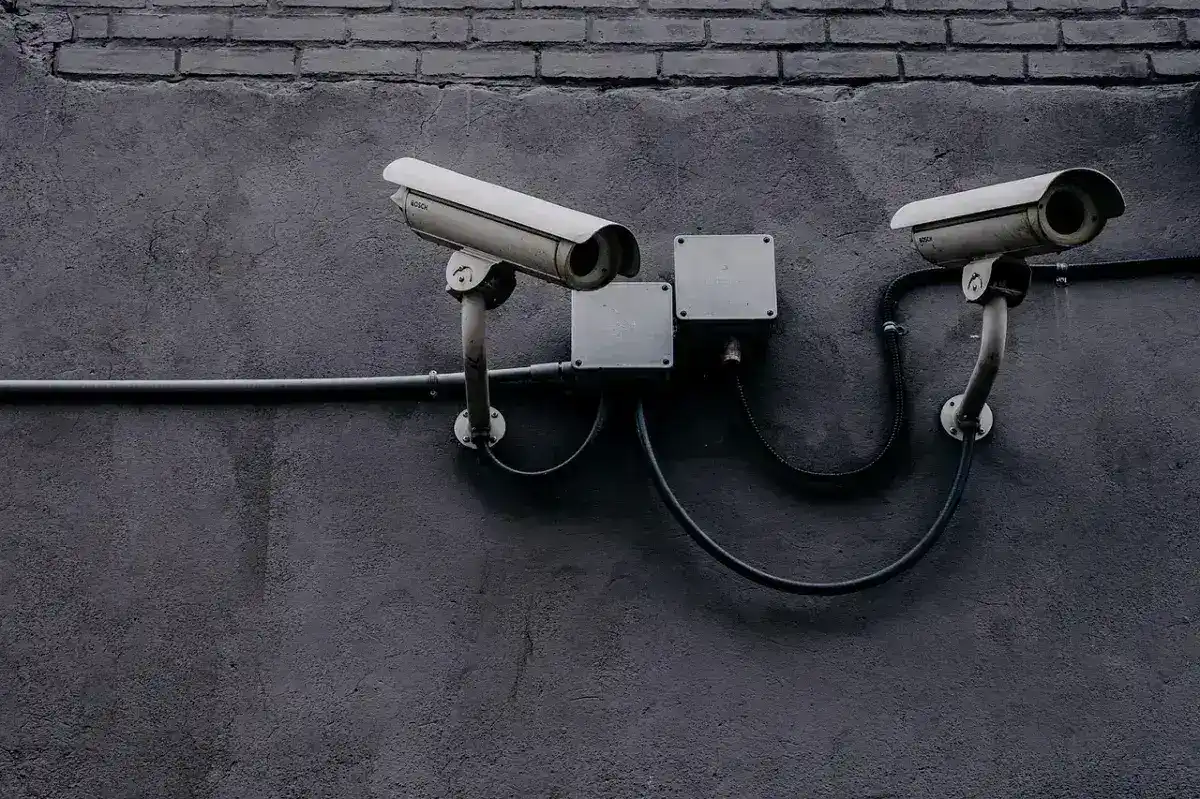
UK universities have increasingly turned to private intelligence firms to monitor and profile students involved in pro-Palestine activism, according to an investigation by Al Jazeera. Throughout the 2023-2024 academic year, institutions across the United Kingdom utilized third-party security contractors to track social media activity, identify protest organizers, and assess potential reputational risks associated with student demonstrations.
The move marks a significant shift in how higher education institutions manage campus dissent. While universities have historically utilized internal security to manage physical safety, the integration of private intelligence gathering represents an expansion into digital surveillance and behavioral profiling.
The Context of Campus Activism
The surge in surveillance follows a period of heightened geopolitical tension following the October 7 Hamas attacks and the subsequent Israeli military campaign in Gaza. UK campuses became focal points for student-led protests, walkouts, and encampments demanding that universities divest from companies linked to the Israeli defense sector.
University administrators faced mounting pressure from government officials and donors to maintain order on campus. This environment led many institutions to adopt more aggressive risk-management strategies, often blurring the line between protecting campus safety and monitoring political speech.
The Role of Private Intelligence
The investigation reveals that universities contracted companies like Cifas and other security consultancies to produce “threat assessments” on student groups. These firms specialize in monitoring “extremist” content and tracking the growth of protest movements online.
By outsourcing this monitoring, universities gain access to sophisticated data-scraping tools that are otherwise unavailable to internal administrative staff. These tools enable the tracking of private group chats, public social media sentiment, and the mapping of networks between different student organizations.
Expert Perspectives on Academic Freedom
Civil liberties advocates have raised alarms regarding the chilling effect these practices may have on student expression. According to the Foundation for Academic Freedom, monitoring political activity risks intimidating students into silence, fundamentally undermining the democratic purpose of a university.
Data privacy experts point out that the collection of such information poses significant ethical questions. When universities aggregate data on student political affiliations, they create permanent records that could impact future career prospects or immigration status for international students.
Industry Implications and Future Outlook
For the higher education sector, this trend suggests a permanent shift toward securitized campus management. Institutions are now treating student activism as a high-stakes corporate risk rather than an exercise in intellectual inquiry.
Moving forward, legal challenges regarding the legality of these surveillance contracts are expected to increase. Observers should watch for upcoming policy updates from the Office for Students (OfS) regarding the use of private contractors for monitoring political activity. The tension between institutional security and the right to protest will likely remain a central point of contention in the coming academic term.