


Public Health Emergency at Sea
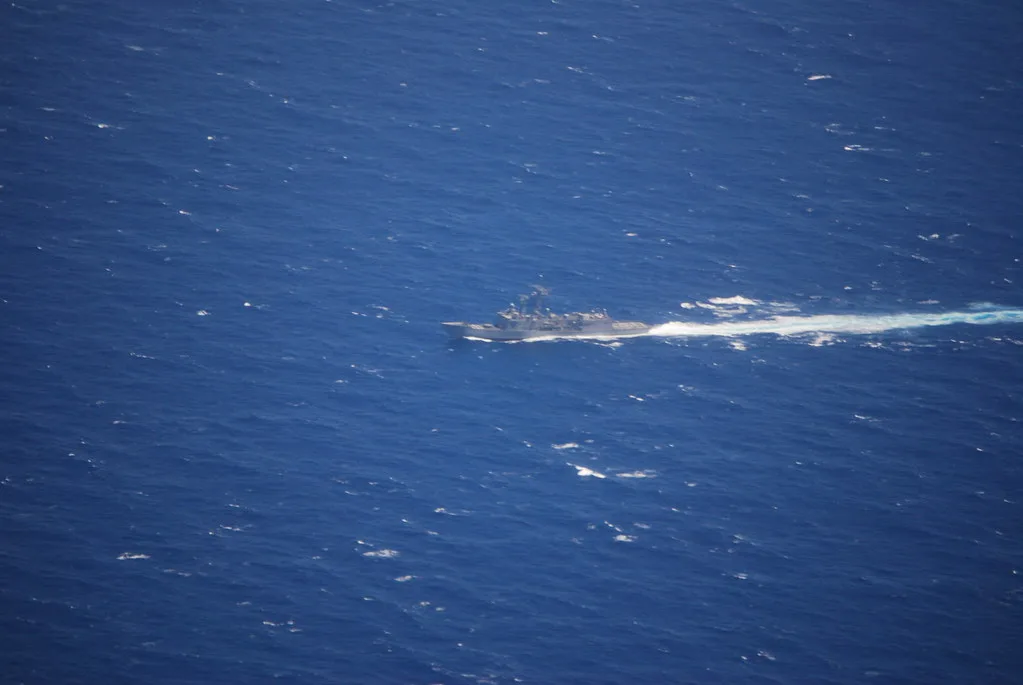
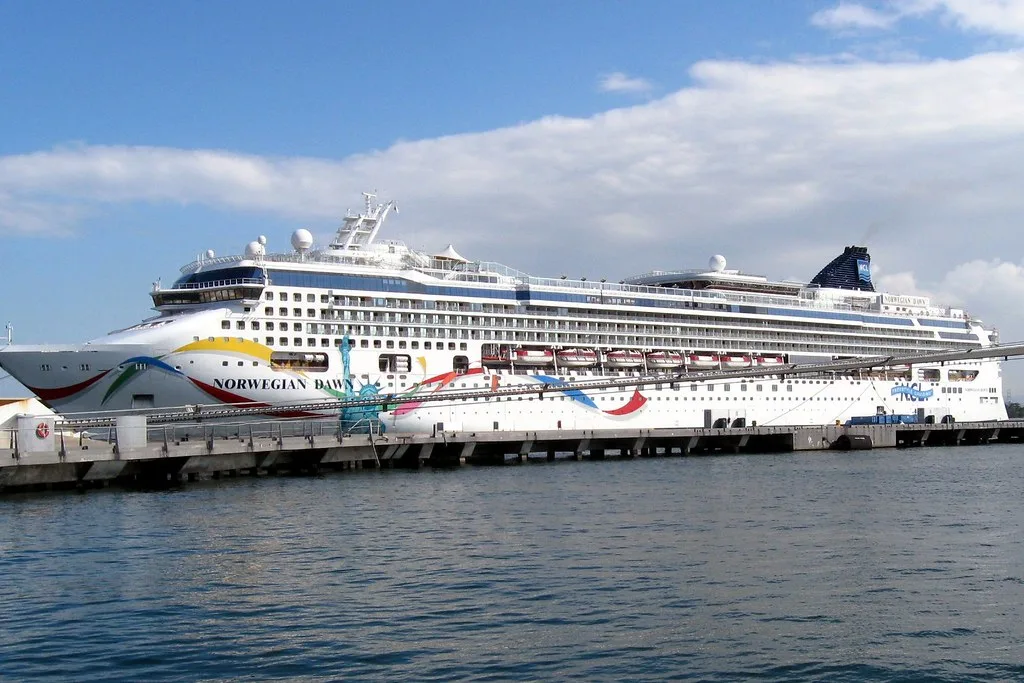
International health authorities have confirmed a localized outbreak of hantavirus aboard a cruise ship currently stranded at sea, with seven passengers identified as infected. According to the World Health Organization (WHO), three individuals have succumbed to the viral infection, one remains in critical condition, and three others are exhibiting mild symptoms while under medical isolation.
The Nature of Hantavirus
Hantavirus is a group of viruses typically transmitted to humans through contact with the urine, feces, or saliva of infected rodents. Unlike many other infectious diseases, it does not typically spread through human-to-human contact, suggesting the current outbreak on the vessel may stem from a specific exposure event involving contaminated cargo or onboard pest infestations. The virus causes Hantavirus Pulmonary Syndrome (HPS), a severe respiratory condition that can lead to acute heart and lung failure.
Containment and Medical Response
The cruise ship is currently maintaining a holding pattern in international waters while a specialized medical team coordinates with port health authorities for a potential emergency docking. Onboard medical staff are working under the guidance of global health experts to provide supportive care, including mechanical ventilation for the critically ill patient. Quarantine protocols have been strictly enforced across all decks to prevent further transmission, while sanitation crews conduct deep cleaning of ventilation systems and storage compartments.
Expert Analysis and Risk Factors
Epidemiologists note that while hantavirus outbreaks in maritime environments are statistically rare, they present significant logistical challenges. Dr. Elena Vance, a specialist in infectious diseases, stated that the primary concern is identifying the source of the initial transmission within the ship’s infrastructure. Data from the Centers for Disease Control and Prevention indicates that early intervention and rapid medical support are the only effective measures for mitigating the high mortality rate associated with HPS, which can exceed 35% in severe cases.
Industry and Passenger Implications
This incident has prompted immediate scrutiny of cruise industry sanitation standards regarding rodent control and pest management. For the broader travel industry, the event underscores the necessity for more rigorous health surveillance systems that can detect non-communicable viral threats before they escalate into vessel-wide emergencies. Passengers and crew members across the fleet are now subject to heightened health screening, as operators work to restore public confidence in maritime safety protocols.
Future Outlook and Surveillance
As the vessel prepares to dock, international health agencies are focusing on long-term monitoring for any latent cases among the asymptomatic passengers. The coming weeks will see a comprehensive investigation into the vessel’s supply chain and pest control history to determine how the virus gained entry. Industry experts will be watching to see if this event leads to new, mandatory international regulations regarding rodent monitoring protocols for all commercial passenger ships.