


Rising Tensions in the Strait
The United States, Iran, and the United Arab Emirates are currently embroiled in a cycle of conflicting claims regarding a series of maritime incidents in the Strait of Hormuz this week. These reports, which involve allegations of intercepted vessels and near-miss encounters, have triggered heightened military alerts across the Persian Gulf. International observers warn that these escalations threaten to derail ongoing diplomatic efforts aimed at de-escalating the broader regional conflict surrounding the US-Israel stance on Iranian military capabilities.
Context of the Maritime Dispute
The Strait of Hormuz serves as a critical global chokepoint, with approximately 20 percent of the world’s petroleum passing through its narrow waters daily. Historically, the area has served as a flashpoint for geopolitical friction, particularly as Western powers attempt to enforce maritime security corridors. Recent months have seen a marked increase in Iranian naval maneuvers, which Tehran frames as defensive exercises, while the US Navy labels them as provocative and disruptive to international commerce.
Conflicting Narratives and Strategic Posturing
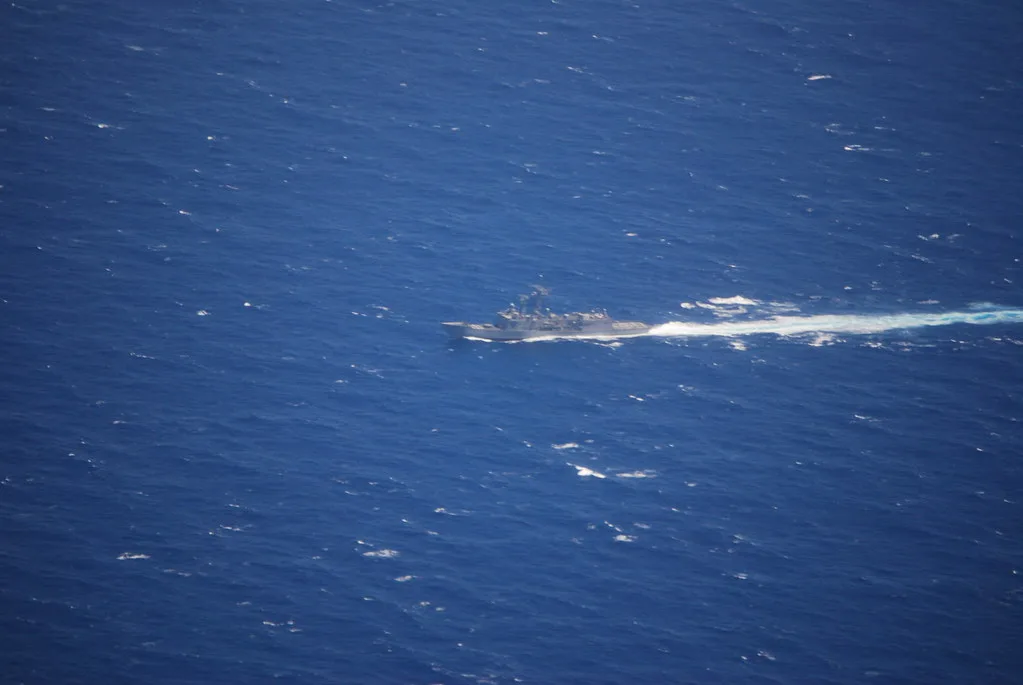
The latest accusations began when the US Fifth Fleet reported an attempt by Iranian forces to seize commercial tankers, an assertion quickly denied by the Iranian Ministry of Defense. Iran countered by claiming that their naval forces were merely conducting routine patrols and assisting distressed vessels in the region. Meanwhile, the UAE has issued statements calling for the de-escalation of maritime activities, citing concerns over the stability of regional energy transit routes.
Military analysts note that these maneuvers are part of a broader strategy of ‘gray zone’ warfare. By operating just below the threshold of open conflict, regional actors attempt to signal strength without triggering a full-scale military confrontation. However, the presence of US aircraft carriers and Iranian fast-attack craft in close proximity increases the probability of a miscalculation that could lead to unintended kinetic engagement.
Expert Perspectives on Regional Stability
Security experts emphasize that the volatility in the Strait is deeply linked to the stalemated diplomatic track regarding Iran’s nuclear program and its regional proxy influence. Dr. Arash Alami, a senior fellow at the Center for Maritime Security, argues that these incidents are no longer just about shipping lanes. ‘We are seeing a strategic signaling war where every maritime encounter is a proxy for the larger breakdown in communication between Washington and Tehran,’ Alami stated.
Data from the International Maritime Bureau indicates that reports of harassment in the Persian Gulf have spiked by 15 percent since the start of the year. While no major casualties have been reported, the economic impact is being felt through rising maritime insurance premiums for vessels traversing the Strait. Market analysts suggest that if the current rate of incidents continues, shipping companies may begin to reroute cargo, further complicating global supply chain stability.
Future Implications for Regional Security
The immediate concern for policymakers remains the containment of these incidents to avoid a spillover effect into the broader US-Israel-Iran conflict. As the diplomatic window narrows, observers will be watching for any changes in the frequency of naval patrols or the deployment of additional military assets by neighboring Gulf states. Analysts suggest that the next few weeks will be critical in determining whether the current posturing leads to a formal maritime security agreement or a period of sustained, high-risk naval confrontation.