




Political Turmoil in Bucharest
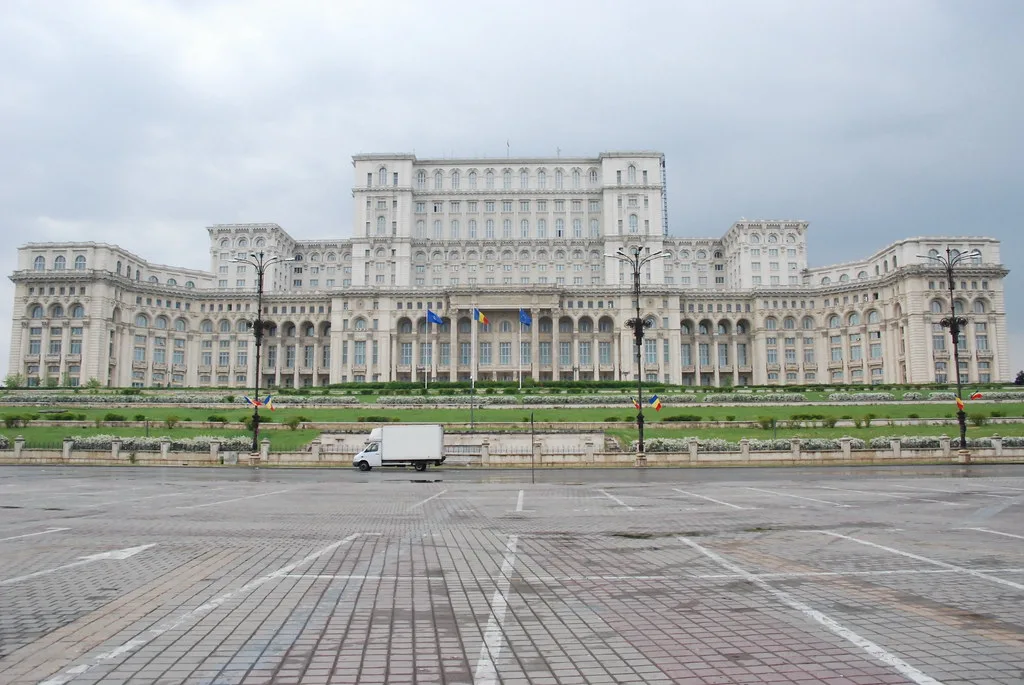
Romania’s government, led by Prime Minister Ilie Bolojan, collapsed on Tuesday after lawmakers passed a decisive no-confidence motion in the national parliament. The vote, which saw a majority of members of parliament withdraw their support, effectively ends Bolojan’s administration and triggers a period of intense political uncertainty in Bucharest. The motion was fueled by mounting internal coalition disagreements and public dissatisfaction over economic policy, leaving the nation’s leadership in a state of flux.
The Context of the Collapse
The government’s fall follows weeks of escalating friction within the governing coalition. Prime Minister Bolojan, who assumed office with the goal of implementing structural reforms, faced significant pushback from coalition partners regarding proposed budget cuts and administrative restructuring. These tensions reached a breaking point as opposition parties capitalized on the fractured consensus to force a vote that left the administration unable to secure the necessary parliamentary support to survive.
A Fractured Legislative Landscape
The legislative defeat highlights a deeply polarized political environment in Romania. Analysts point to the failure of the administration to reconcile the competing interests of its coalition members as the primary driver of the collapse. While the government had aimed to prioritize fiscal discipline, critics argued that the proposed measures placed an undue burden on the public, leading to widespread protests and pressure on lawmakers to distance themselves from the Prime Minister’s agenda.
Expert Analysis and Economic Impact
Financial observers warn that the sudden government transition could lead to market volatility. According to data from the National Bank of Romania, investor confidence is closely tied to political stability, and the current vacuum may complicate ongoing negotiations with international creditors. Political analyst Elena Dragomir noted that the collapse effectively halts all pending legislative initiatives, creating a legislative standstill that could last until a new administration is formed.
Implications for the Future
The immediate consequence of the vote is the initiation of formal consultations between the President and parliamentary parties to appoint a new Prime Minister. If political factions fail to reach an agreement on a new cabinet, the country could face the prospect of snap elections, which would further prolong the period of instability. Observers will be closely watching the upcoming round of negotiations to see if a viable coalition can emerge or if the nation is heading toward an early national ballot. The coming days will be critical in determining whether Romania can achieve a swift transition or if the political deadlock will deepen, affecting everything from infrastructure project timelines to the implementation of European Union-funded recovery programs.