





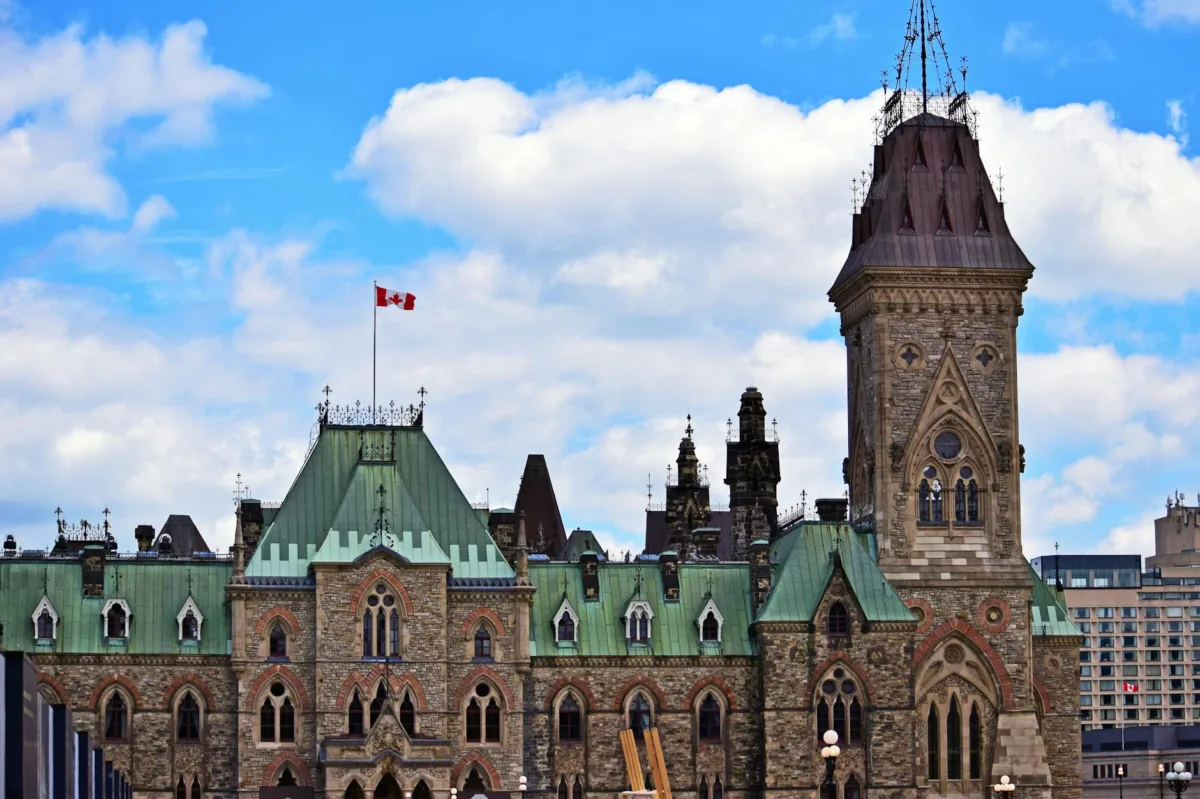
A Gathering on Parliament Hill
Nearly 20 Canadian Members of Parliament gathered on Parliament Hill in Ottawa on May 5 to celebrate the 34th anniversary of the introduction of Falun Dafa to the public, while simultaneously condemning alleged interference by the Chinese Communist Party (CCP) against the performing arts group Shen Yun. The event, which drew hundreds of practitioners and supporters, featured exercise demonstrations, a marching band, and vocal speeches from cross-party political leaders, marking a significant show of solidarity for a group that has faced decades of persecution in China.
The Context of Falun Dafa
Falun Dafa, also known as Falun Gong, is a traditional Chinese spiritual discipline consisting of moral teachings, meditation, and five gentle exercises. Introduced to the public in China in 1992 by Li Hongzhi, the practice quickly gained popularity for its focus on the values of Truthfulness, Compassion, and Forbearance. However, in July 1999, the Chinese government banned the practice, initiating a massive, state-sponsored suppression campaign that continues to this day according to international human rights organizations.
The Controversy Surrounding Shen Yun
A primary focus of the May 5 gathering was the ongoing campaign against Shen Yun Performing Arts, a New York-based dance company that seeks to revive traditional Chinese culture. Practitioners and their supporters allege that the CCP engages in systematic interference, including pressuring venues to cancel bookings and utilizing diplomatic channels to disparage the troupe globally. For the attendees, this interference represents an attempt to export the CCP’s suppression tactics beyond China’s borders, encroaching on the freedoms of democratic nations.
Political Solidarity and Human Rights
The presence of nearly 20 MPs from various political parties underscored a rare moment of bipartisan consensus regarding human rights and foreign influence. Speakers at the event emphasized that the right to practice one’s faith and express cultural heritage without fear of harassment is a fundamental pillar of Canadian values. Many speakers explicitly stated that the Canadian government must remain vigilant against any foreign entity attempting to silence or intimidate individuals or cultural organizations on Canadian soil.
Data and Expert Perspectives
According to reports from organizations like Amnesty International and Human Rights Watch, Falun Gong practitioners in China remain at high risk of arbitrary detention, torture, and forced organ harvesting. The Canadian government has previously participated in debates surrounding the Magnitsky Act, which allows for sanctions against foreign nationals who have committed human rights violations. Analysts suggest that the vocal support from Canadian lawmakers serves as a diplomatic signal to Beijing that domestic interference campaigns are being closely monitored and documented by Western legislative bodies.
Future Implications for Canadian Policy
The event signals a growing awareness among Canadian policymakers regarding the reach of transnational repression. Moving forward, observers should watch for potential legislative adjustments aimed at curbing foreign influence in domestic cultural and religious spheres. As tensions between Ottawa and Beijing persist, the protection of minority groups and the defense of cultural expression against state-sponsored interference will likely remain a contentious and high-priority issue in the House of Commons. The ability of the government to balance diplomatic relations with the protection of fundamental human rights will be the key metric to watch in the coming months.