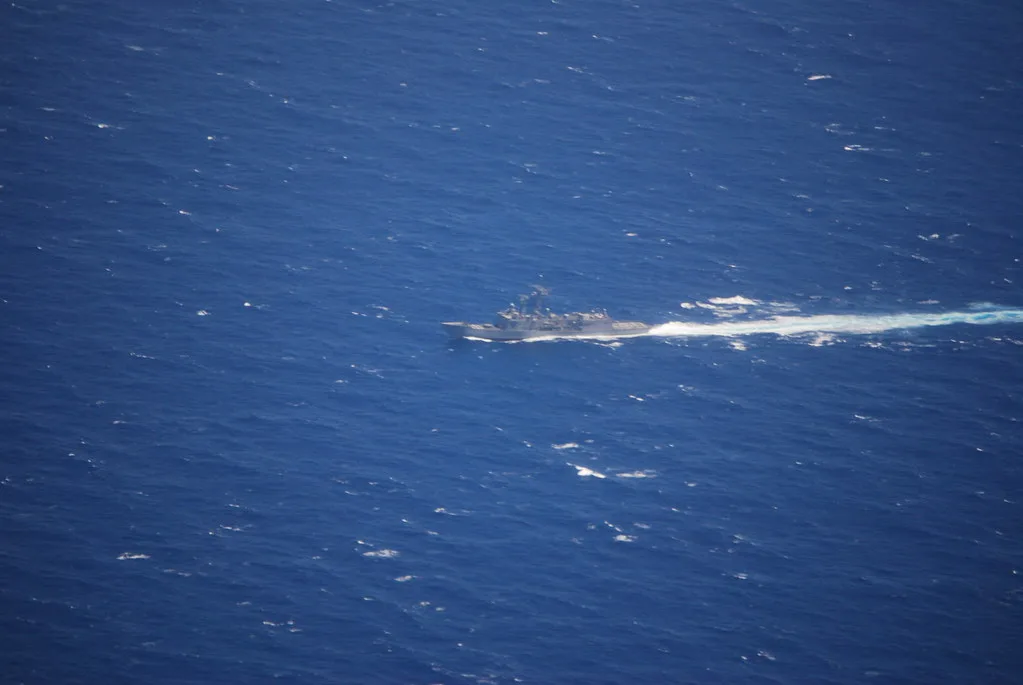




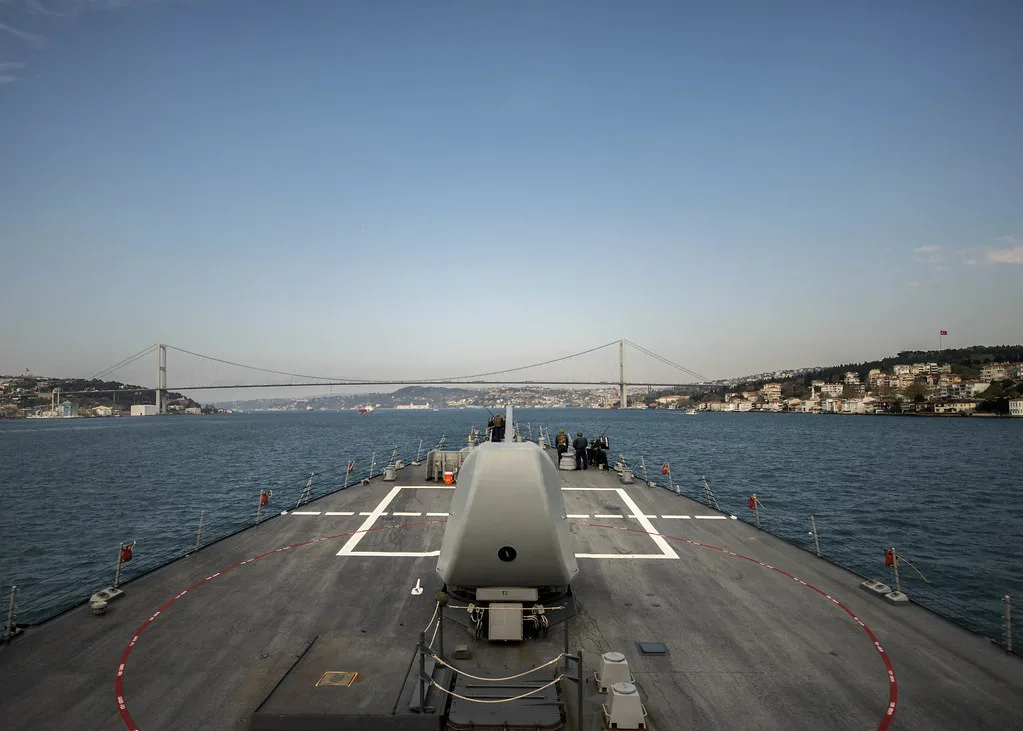
U.S. Central Command (CENTCOM) spokesperson Tim Hawkins confirmed this week that the United States is prioritizing the maintenance of safe shipping lanes through the Strait of Hormuz under a strategic initiative dubbed ‘Project Freedom.’ This operational shift aims to bolster maritime security in one of the world’s most critical energy chokepoints, while simultaneously exerting pressure to contain Iranian influence in the region.
Context of the Strait of Hormuz
The Strait of Hormuz serves as a vital artery for the global economy, with approximately 20% of the world’s total petroleum consumption passing through its narrow waters daily. Historically, the waterway has been a flashpoint for geopolitical tension, characterized by frequent confrontations between the U.S. Navy and Iranian forces.
In recent years, the region has seen a rise in vessel seizures, drone surveillance, and harassment of commercial tankers. These incidents have forced shipping companies to reconsider insurance premiums and transit routes, prompting the U.S. to bolster its permanent maritime presence.
Project Freedom: Objectives and Operational Tactics
Project Freedom represents a multifaceted approach to regional stability, focusing on both defensive and offensive maritime postures. According to CENTCOM, the primary objective is to ensure that international merchant vessels can transit the Strait without the threat of interception or interference.
The initiative integrates advanced surveillance technology with a heightened naval presence. By deploying unmanned aerial systems alongside traditional patrol vessels, CENTCOM intends to create a persistent monitoring network. This real-time data collection allows for faster response times to potential maritime threats.
Furthermore, the initiative serves a secondary, explicit purpose: the tactical isolation of Iranian maritime assets. By increasing the frequency of patrols and enforcing stricter oversight of regional traffic, the U.S. aims to limit the operational freedom of the Islamic Revolutionary Guard Corps Navy (IRGCN).
Expert Analysis and Regional Implications
Defense analysts suggest that the U.S. commitment to ‘Project Freedom’ is a response to a shifting regional power balance. Dr. Elena Rossi, a maritime security expert, notes that the move is intended to reassure regional allies who have felt vulnerable to Iranian naval posturing.
Data from the U.S. Energy Information Administration (EIA) highlights the sensitivity of this region, noting that any significant closure of the Strait could lead to a global energy price shock. The intervention by CENTCOM is thus framed as a public good intended to protect the stability of international energy markets.
However, critics warn that increased naval density in the Strait could raise the risk of accidental escalation. The proximity of U.S. and Iranian vessels creates a volatile environment where a single miscalculation could trigger a broader confrontation.
Future Outlook and Strategic Watchpoints
The long-term success of Project Freedom will depend on the ability of the U.S. to sustain this high-intensity posture without overextending its naval resources. Observers should monitor whether regional partners in the Gulf Cooperation Council choose to formalize their participation in these security patrols.
Analysts are also watching for any shifts in Iranian naval doctrine in response to these new containment measures. As the U.S. continues to solidify its ‘safe path’ mandates, the maritime domain in the Middle East remains a high-stakes arena where technological superiority meets geopolitical brinkmanship.