




Public Health Emergency Declared at Sea
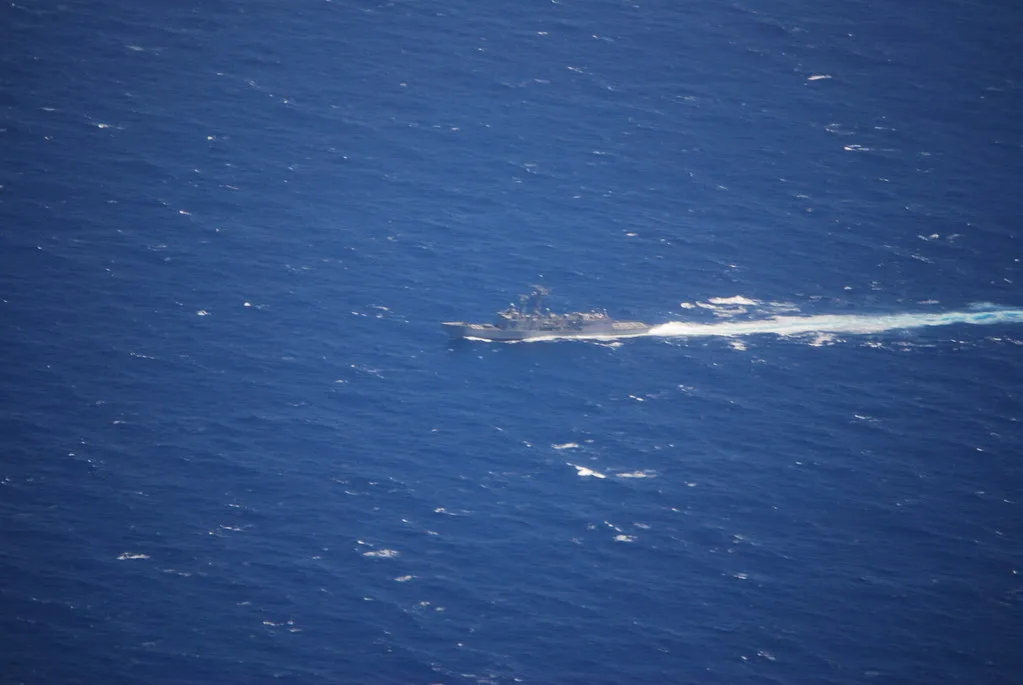
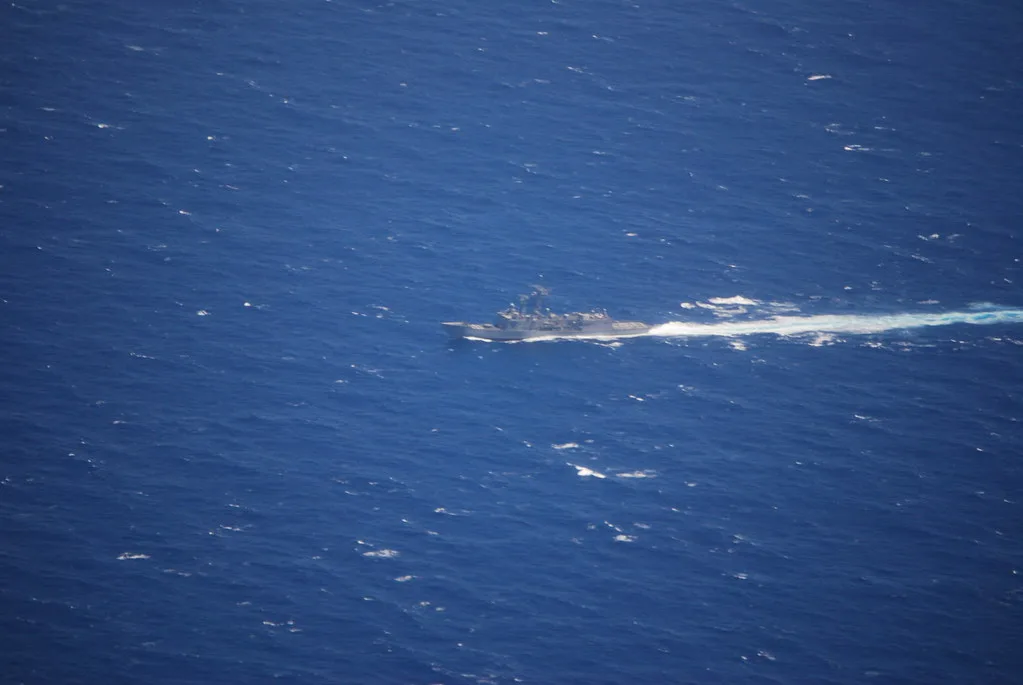
International health authorities have launched an urgent investigation after a suspected outbreak of hantavirus claimed the lives of three passengers aboard a cruise ship currently navigating the Atlantic Ocean. The incident, confirmed by maritime medical staff early this week, has prompted the vessel to divert toward the nearest port for emergency quarantine protocols and comprehensive sanitation measures. Officials are working to contain the spread of the pathogen, which is primarily transmitted through contact with infected rodent excreta.
Understanding the Pathogen
Hantaviruses comprise a family of viruses generally found in rodent populations worldwide, including rats and mice. While human-to-human transmission is extremely rare, the virus typically enters the body when aerosolized particles from the urine, droppings, or saliva of infected rodents are inhaled. According to the Centers for Disease Control and Prevention (CDC), hantavirus pulmonary syndrome (HPS) is a severe respiratory disease that can progress rapidly, often requiring intensive medical intervention.
The Challenges of Maritime Containment
The cruise industry faces unique hurdles when managing infectious disease outbreaks due to the confined nature of shipboard environments. Experts suggest that the presence of rodents on large vessels can be difficult to eliminate entirely, especially during long-haul voyages where food supplies and waste management systems are centralized. Epidemiologists are currently reviewing the ship’s recent pest control logs and sanitation records to determine the source of the exposure.
Expert Perspectives on Risk
Dr. Elena Vance, an infectious disease specialist, notes that while hantavirus outbreaks in marine settings are statistically uncommon, they represent a significant public health risk when they occur. “The primary concern is environmental exposure,” Dr. Vance stated. “Once the virus becomes airborne in a closed ventilation system or through direct contact in storage areas, the window for containment narrows significantly.” Recent data from global health organizations indicates that while hantavirus cases remain sporadic, climate shifts and increased global travel have necessitated more rigorous pest management standards for the maritime sector.
Broader Industry Implications
This incident is expected to trigger a wave of new health regulations for cruise lines worldwide. Industry analysts predict that shipping companies will likely face increased scrutiny regarding their rodent mitigation strategies and air filtration capabilities. For passengers, the event serves as a stark reminder of the complexities involved in maintaining biosecurity in international transit. Travelers are advised to remain vigilant regarding sanitation protocols and to report any sighting of pests to ship staff immediately.
Looking Ahead
As the vessel nears port, the immediate priority remains the medical stabilization of the remaining passengers and the isolation of potential exposure sites. Health agencies will likely conduct a full forensic investigation of the ship’s galley and cargo holds to verify the origin of the rodent infestation. The long-term impact on cruise ship safety policies will depend on the findings of this investigation, with many experts anticipating a shift toward mandatory, automated pest detection technologies across the global cruise fleet.