



The Indian Ministry of Culture, in collaboration with the National Gallery of Modern Art, officially unveiled the curatorial vision for the India Pavilion at the 60th Venice Biennale on Thursday, signaling a transformative approach to representing the nation’s contemporary art scene on the global stage. Scheduled to open in Venice in May 2026, the exhibition, titled “Many Voices, One Resonance,” seeks to move beyond singular historical narratives by showcasing a diverse collective of artists who engage with themes of soil, thread, and immersive mythology.
A New Chapter for Indian Representation
The Venice Biennale, widely regarded as the “Olympics of the art world,” has historically served as a critical platform for India to assert its cultural soft power. Following successful iterations in previous years, the 2026 pavilion aims to shed traditional constraints, opting for an expansive, multidisciplinary presentation that bridges rural craft traditions with avant-garde digital installations.
This shift reflects a broader trend in the international art circuit, where curators are increasingly prioritizing decentralized narratives. By focusing on the intersection of identity and geography, the selection committee aims to reflect the complex, multi-layered reality of 21st-century India.
Weaving Tradition and Modernity
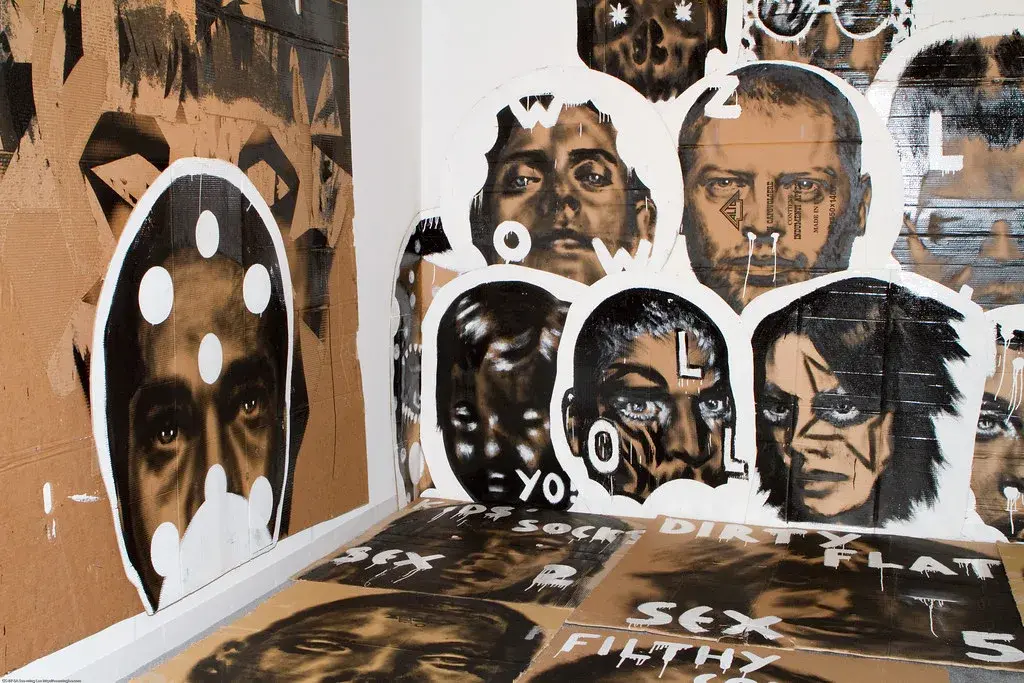
Central to the exhibition’s narrative is the tactile exploration of heritage. Artists have been commissioned to utilize organic materials—ranging from reclaimed earth to hand-spun textiles—to construct monumental sculptures that occupy the pavilion’s interior spaces.
“The objective is to create an immersive environment that challenges the viewer’s perception of home,” said a spokesperson for the curatorial team. “We are moving away from static displays to create a living, breathing dialogue between the ancient techniques of the subcontinent and the rapid digital evolution of its urban centers.”
Expert Insights and Global Context
Art historians note that the inclusion of diverse regional perspectives is essential for a credible representation of India’s vast artistic ecosystem. Dr. Ananya Rao, a contemporary art analyst, observes that the 2026 strategy marks a departure from the “nationalist lens” often expected at major biennales.
Data from the Venice Biennale’s visitor reports indicates a 15% year-on-year increase in interest regarding South Asian contemporary art. This growing global appetite suggests that the 2026 pavilion is timed perfectly to capitalize on the rising market value and academic curiosity surrounding Indian creators.
The Broader Impact
For the domestic industry, this pavilion serves as a catalyst for institutional growth. The emphasis on collaborative projects and cross-disciplinary art practice is expected to influence local galleries and public museums, encouraging them to adopt more experimental exhibition formats.
Beyond the art world, the pavilion acts as a diplomatic tool, facilitating cultural exchange and fostering long-term partnerships with European institutions. As the countdown to the 2026 opening begins, observers will be watching to see how the chosen artists manage the technical challenges of installing monumental works within the historic architecture of the Arsenale.
The next twelve months will be critical, as the committee transitions from conceptual planning to on-site logistical coordination. Industry experts suggest that the success of the 2026 edition will depend largely on the seamless integration of digital storytelling with physical architectural interventions, setting a benchmark for future national pavilions looking to balance tradition with innovation.