



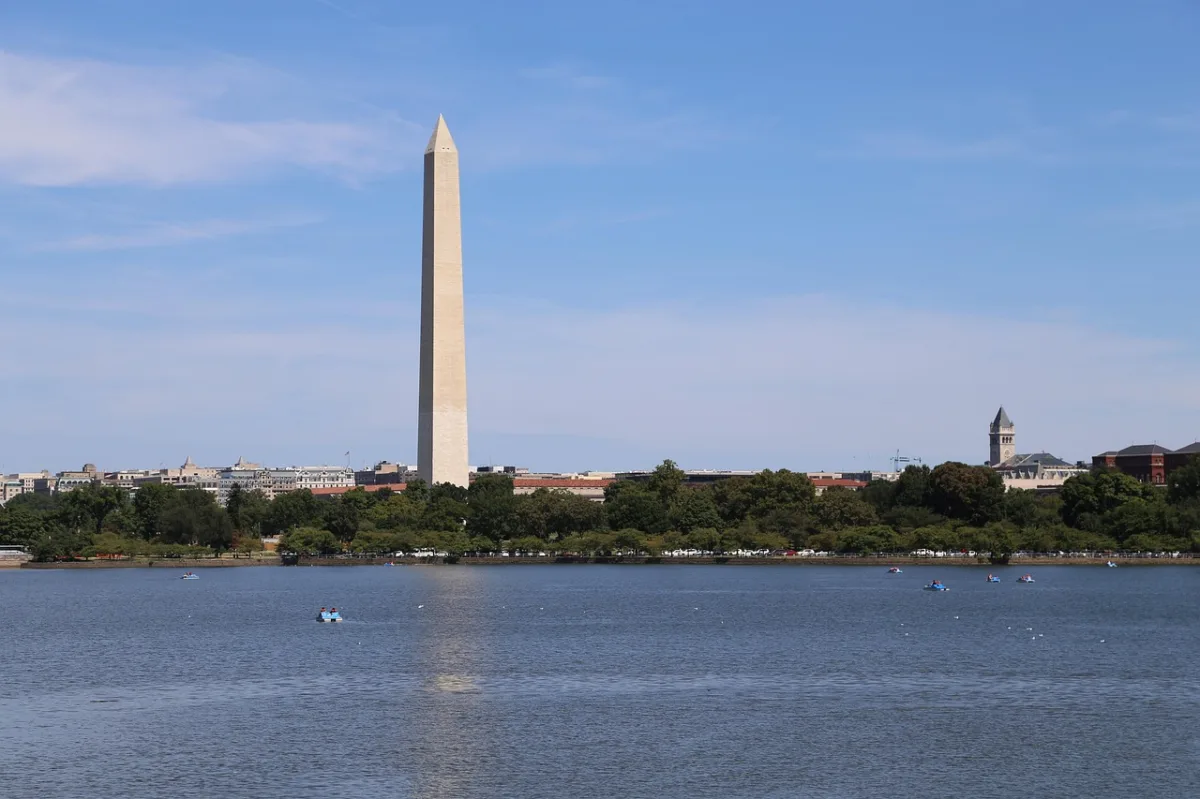
Federal authorities identified 45-year-old Texas resident Michael Marx as the primary suspect involved in a shooting incident near the Washington Monument on Monday afternoon. The confrontation, which occurred in one of the most heavily guarded areas of the United States capital, triggered a rapid response from Secret Service agents who returned fire, resulting in the suspect’s apprehension.
Context of the Incident
The National Mall serves as the primary ceremonial space in Washington, D.C., and remains under constant surveillance by the United States Secret Service and the United States Park Police. Monday’s events unfolded during a peak tourist window, forcing an immediate lockdown of the monument grounds and surrounding thoroughfares.
Authorities have confirmed that the suspect approached a security perimeter near the base of the monument before drawing a weapon. While the motive remains under investigation, the proximity to federal landmarks has once again sparked debates regarding the balance between public access and security protocols at national monuments.
Details of the Confrontation
According to preliminary reports from the Metropolitan Police Department, Marx engaged with agents positioned at a security checkpoint shortly after 2:00 p.m. Witnesses reported hearing multiple gunshots, causing civilians in the vicinity to flee toward the surrounding parkland.
Secret Service personnel utilized established defensive protocols to neutralize the threat, ensuring that no bystanders were physically harmed during the exchange. Marx sustained non-life-threatening injuries during the engagement and was transported to a local hospital, where he remains in custody under heavy guard.
Expert Analysis and Security Implications
Security analysts note that while the National Mall is a high-profile target, the speed of the federal response demonstrates the effectiveness of current perimeter strategies. “The integration of physical barriers and rapid-response teams prevented what could have been a catastrophic escalation,” says security consultant David Miller.
Data from the Department of the Interior indicates that security incidents at national monuments have trended upward over the last five years. These incidents often place pressure on federal agencies to tighten public access, a move that frequently meets resistance from civil liberties advocates who emphasize the importance of keeping national symbols open to the public.
Looking Ahead
The Department of Justice is expected to file formal charges against Marx in the coming days as the investigation into his travel history and potential motives continues. Investigators are currently reviewing surveillance footage and interviewing witnesses to determine if the suspect acted alone or had prior contact with extremist groups.
Observers are now watching for potential policy shifts regarding the security perimeter of the Washington Monument. Future discussions will likely focus on whether the current “open-access” model remains viable or if more permanent, restrictive barriers will be required to mitigate risks in the heart of the nation’s capital.