


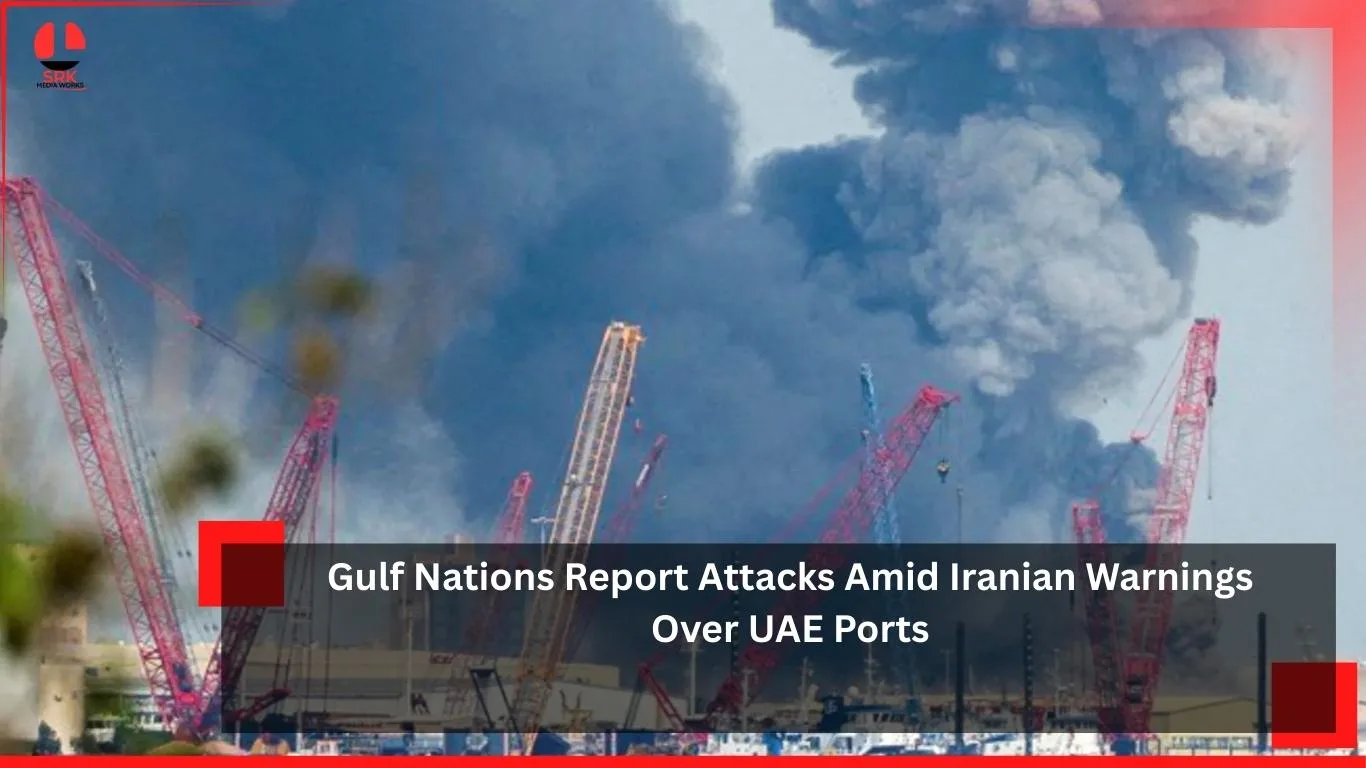
Tensions in the Gulf have escalated sharply as multiple nations reported attacks coinciding with Iranian warnings directed at the United Arab Emirates’ ports. The developments highlight the fragile security environment in West Asia, where maritime trade routes, oil infrastructure, and regional alliances are increasingly vulnerable to conflict.
Background of the Escalation
Recent weeks have seen a surge in hostilities across the Gulf region. Iran has issued stern warnings about UAE ports, accusing them of facilitating foreign military operations and threatening retaliation.
- Iran’s Warning: Tehran cautioned that UAE ports could become legitimate targets if they continue to support foreign forces.
- Reported Attacks: Gulf nations, including Saudi Arabia, Bahrain, and Kuwait, have reported drone and missile strikes on infrastructure.
- Regional Alarm: The incidents have raised fears of a broader conflict that could disrupt global energy supplies.
Nature of the Attacks
The reported attacks varied in scale and impact:
- Drone Strikes: Targeted oil facilities and military bases.
- Missile Attacks: Aimed at coastal installations and shipping routes.
- Cyber Operations: Alleged attempts to disrupt port logistics systems.
Political Reactions
The escalation has triggered strong responses across the region:
| Stakeholder Group | Reaction Type | Key Observations |
|---|---|---|
| Gulf Governments | Defensive | Condemned attacks, increased security |
| Iran | Aggressive | Justified warnings as defensive measures |
| International Observers | Concerned | Called for restraint and dialogue |
| Citizens | Anxious | Fear disruption of trade and daily life |
This table shows the polarized reactions to the unfolding crisis.
Strategic Importance of UAE Ports
UAE ports, particularly Jebel Ali and Fujairah, are critical to global trade and energy flows.
- Oil Exports: Handle significant volumes of crude oil shipments.
- Global Trade: Serve as hubs for international shipping and logistics.
- Military Presence: Host foreign naval forces, making them strategic targets.
Historical Parallels
The Gulf has witnessed similar tensions in the past:
| Year | Incident | Outcome |
|---|---|---|
| 1980s | Tanker War during Iran-Iraq conflict | Disruption of oil shipping routes |
| 2019 | Attacks on tankers near Fujairah | Heightened US-Iran tensions |
| 2026 | Attacks amid Iranian warnings | Regional instability, global concern |
This comparison shows how maritime trade routes have repeatedly been flashpoints in Gulf conflicts.
Global Implications
The attacks and warnings carry significant global consequences:
- Energy Markets: Oil prices surged amid fears of supply disruption.
- Shipping Routes: Insurance costs for vessels in the Gulf have increased.
- Diplomatic Pressure: Calls for de-escalation from the US, EU, and Asian powers.
Public Sentiment
Public opinion in Gulf nations reflects anxiety and frustration:
- Citizens: Fear economic disruption and safety risks.
- Business Leaders: Concerned about trade and investment stability.
- Global Audiences: Watching closely, worried about energy security.
Future Outlook
The situation remains fluid, with several possible scenarios:
| Scenario | Description | Potential Impact |
|---|---|---|
| Escalation | Continued attacks and retaliations | Regional war, global energy crisis |
| Diplomatic Talks | Mediation by international powers | Temporary relief, fragile peace |
| Stalemate | No resolution, ongoing tension | Prolonged instability, economic strain |
The future will depend on whether regional and global powers can contain the crisis.
Conclusion
The reports of attacks across Gulf nations amid Iranian warnings over UAE ports mark a dangerous escalation in the Middle East conflict. With critical trade and energy infrastructure at risk, the situation underscores the fragility of regional stability and the importance of diplomatic intervention. The coming weeks will be crucial in determining whether the crisis deepens or dialogue prevails.
Disclaimer
This article is based on analytical perspectives and available information. It does not confirm or deny confidential military details and should not be interpreted as official government policy. Readers are encouraged to follow verified government statements for authoritative updates.