





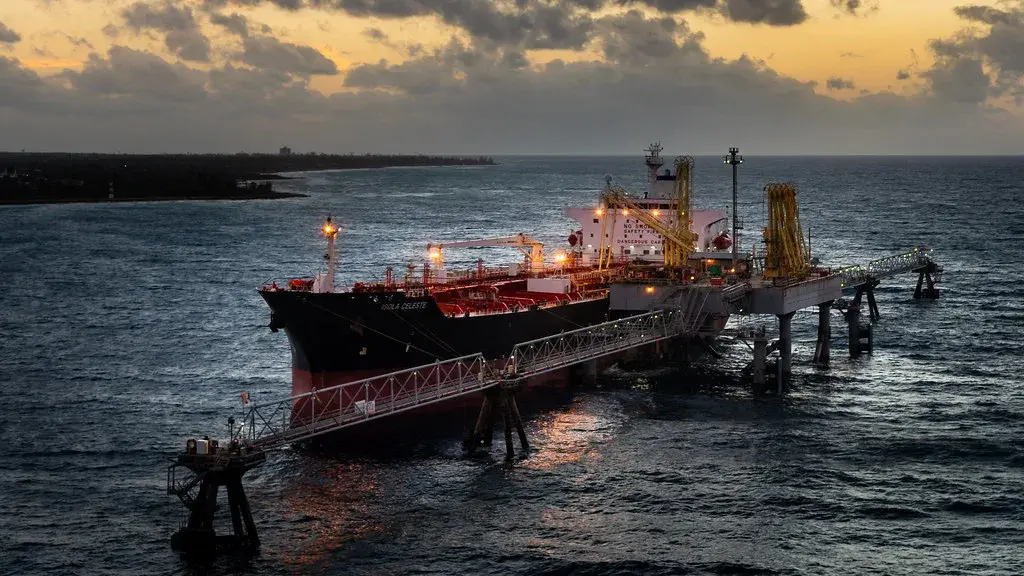
In a significant shift for the global energy landscape, Russia’s share of Indian oil imports surged during March, even as the traditional price discounts that characterized post-2022 trade transitioned into a premium. As the world’s third-largest oil consumer, India is actively recalibrating its import strategy to navigate geopolitical instability, bypassing traditional maritime chokepoints like the Strait of Hormuz and the Suez Canal to secure long-term energy stability.
The Evolution of the Indo-Russian Energy Corridor
Following the onset of the conflict in Ukraine, India became a primary destination for discounted Russian crude, which had been shunned by Western markets. This strategic pivot allowed India to stabilize its domestic fuel prices while maintaining robust economic growth.
However, recent trade data indicates that the era of deep discounts is waning. Market analysts note that while volumes remain high, the cost structure has shifted due to increased insurance, freight, and logistical complexities, effectively narrowing the price advantage that Russian oil once held over Middle Eastern suppliers.
Diversification as a Strategic Imperative
India is now aggressively diversifying its import portfolio to mitigate risks associated with over-reliance on any single source. Reports from ThePrint and Mint highlight that India has increased its purchase of Venezuelan oil, leveraging the easing of certain international sanctions to tap into Latin American reserves.
Simultaneously, India is strengthening its energy partnerships with Saudi Arabia and the United Arab Emirates. This move aligns with a broader regional trend involving China, Thailand, and Japan, as these nations seek to ensure a steady flow of crude oil, LNG, and LPG through alternative maritime corridors.
Logistical Resilience and Maritime Security
The imperative to secure energy supplies has driven India to develop a masterplan aimed at bypassing critical maritime chokepoints. By exploring alternative routes that avoid the Strait of Hormuz, the Suez Canal, and the Malacca Strait, New Delhi aims to insulate its economy from regional geopolitical flare-ups.
Industry experts emphasize that these routes are not merely about distance, but about risk management. Ensuring the security of cargo movement has become a priority for the Ministry of Petroleum and Natural Gas, as the nation balances the need for affordable energy with the reality of an increasingly fractured global supply chain.
Future Implications for the Energy Sector
The tightening of oil spreads and the diversification of supply sources suggest that India is moving toward a more complex, multi-modal procurement strategy. For the global industry, this means that India will exert greater influence over tanker traffic and refinery demand patterns in the coming decade.
Market participants should monitor how the premium on Russian crude impacts future procurement volumes, particularly if global benchmarks continue to fluctuate. Furthermore, the development of alternative maritime trade routes will likely necessitate significant infrastructure investment, potentially creating new opportunities in port logistics and regional shipping partnerships across the Indo-Pacific.