



Geopolitical Shifts in the Middle East
Iran launched a series of coordinated missile and drone strikes against the United Arab Emirates (UAE) port of Fujairah this week, marking a significant escalation in regional hostilities despite ongoing discussions regarding a broader ceasefire. The attack, which resulted in injuries to three Indian nationals and significant infrastructure damage, has drawn immediate condemnation from international leaders and prompted urgent diplomatic efforts to stabilize the volatile Strait of Hormuz.
Context of the Escalation
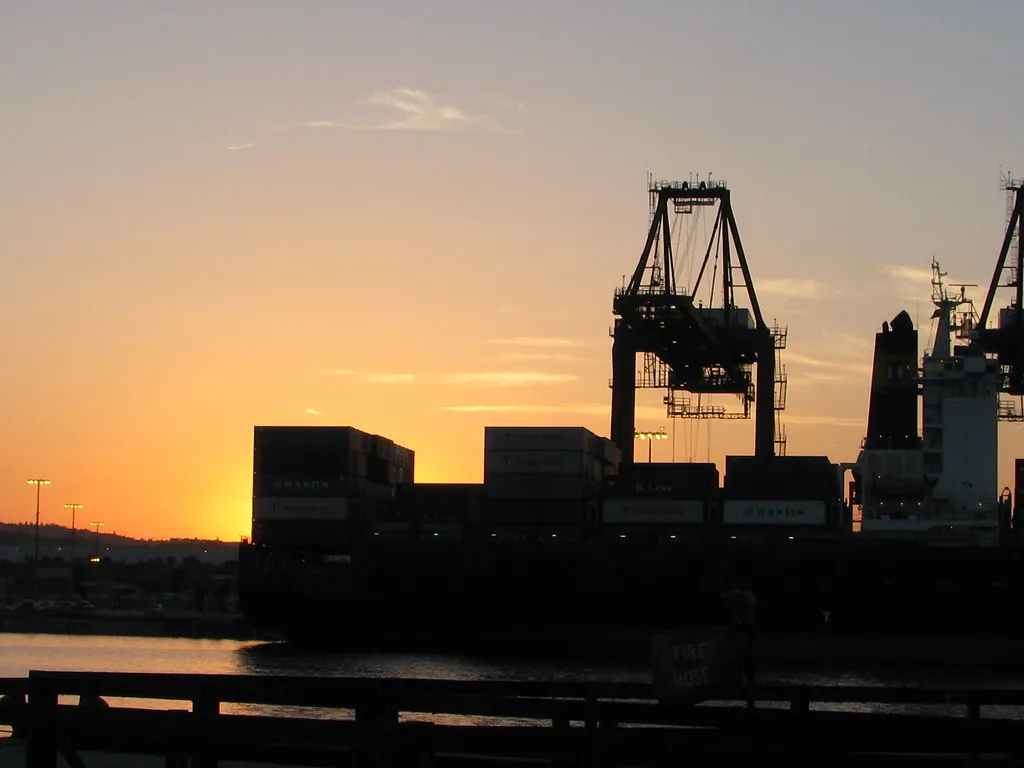
The Fujairah port serves as a critical global energy hub, facilitating the export of millions of barrels of crude oil daily. This strike occurs against a backdrop of prolonged friction between Tehran and Gulf states, complicated further by the presence of international naval forces in the region. Analysts suggest that the timing of these attacks serves as a strategic signal from Iran amid high-level diplomatic visits, including the recent trip by Iranian Foreign Minister Abbas Araghchi.
Global Reactions and Diplomatic Fallout
Indian Prime Minister Narendra Modi publicly condemned the incident, labeling the targeting of civilian-adjacent infrastructure as “unacceptable.” The Ministry of External Affairs confirmed it is working closely with UAE authorities to ensure the safety of its citizens and monitor the impact on regional logistics. Pakistan’s Prime Minister Shehbaz Sharif also joined the chorus of international disapproval, emphasizing the risks these strikes pose to regional stability and global energy security.
Strategic Implications of the Attacks
Military experts note that the use of drone technology in the Fujairah strike reflects an evolution in asymmetric warfare tactics. By targeting critical energy infrastructure, Iran is signaling its capacity to disrupt global supply chains even as diplomatic channels remain open. China, a major consumer of Middle Eastern energy, has urged both Washington and Tehran to exercise restraint to ensure the safe passage of commercial vessels through the Strait of Hormuz.
Industry and Future Outlook
The maritime shipping industry is bracing for potential insurance premium hikes and tightened security protocols for tankers traversing the Gulf. For investors and energy analysts, the primary concern remains the potential for a wider conflict that could trigger a spike in global oil prices. Observers should monitor upcoming multilateral diplomatic summits in the region, as these will likely determine whether the current tensions subside or escalate into a sustained period of maritime instability.