




Escalation in the Gulf of Oman
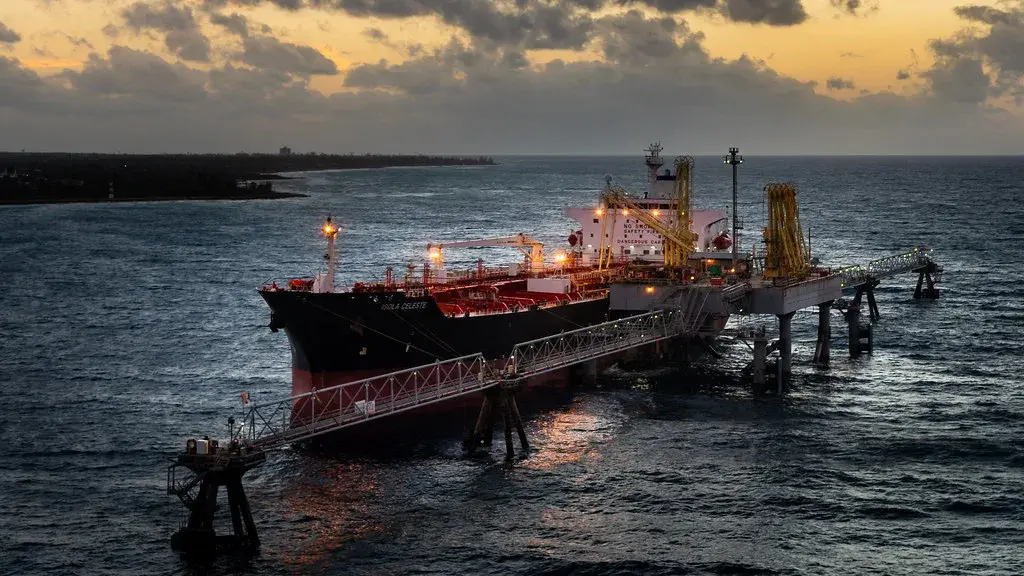
The United States military confirmed it fired upon an Iranian-flagged oil tanker in the Gulf of Oman this week, marking a significant escalation in the ongoing maritime and regional conflict. The incident occurs as President Donald Trump increases public pressure on Tehran, demanding a definitive agreement to halt the expanding conflict involving Israel and Iranian-aligned proxies across the Middle East.
Context of the Maritime Conflict
The Gulf of Oman serves as a critical artery for global energy supplies, connecting the Persian Gulf to the Indian Ocean. Tensions in these waters have surged repeatedly over the past decade, often characterized by tit-for-tat seizures and attacks on commercial vessels. This latest engagement follows a broader series of military operations, including Israeli airstrikes in Beirut, which have heightened concerns regarding a direct regional war.
Strategic Pressure and Diplomatic Stance
U.S. officials maintain that the military action was a necessary response to regional provocations, framing the strike as a mechanism to compel Iranian leadership toward the negotiating table. President Trump has utilized social media to issue direct warnings, threatening further military intervention should Tehran fail to comply with U.S. demands for a ceasefire and a long-term resolution to the hostilities. The administration’s strategy appears rooted in a policy of ‘maximum pressure,’ leveraging military assets to force diplomatic concessions during a period of extreme volatility.
Expert Analysis on Regional Stability
Defense analysts suggest that the intersection of maritime warfare and high-level political rhetoric creates a narrow window for de-escalation. According to recent data from regional security monitors, the frequency of encounters between U.S. naval forces and Iranian-linked assets has reached a multi-year high, increasing the risk of miscalculation. Experts note that while the U.S. aims to use force as a signaling tool, the unpredictable nature of these engagements could lead to unintended consequences that force a larger military commitment.
Market and Geopolitical Implications
The volatility in the Gulf has sent ripples through global energy markets, with oil prices fluctuating in response to the potential for supply chain disruptions. For the shipping industry, the increased risk profile necessitates heightened security measures and higher insurance premiums for vessels traversing the Strait of Hormuz. As the situation evolves, international observers are closely monitoring whether these tactical strikes will successfully pivot Tehran toward a diplomatic framework or trigger a broader retaliatory campaign.
Future Outlook
Observers should watch for any shifts in Iranian naval posture in the coming days, as well as potential responses from regional proxies. The effectiveness of the current U.S. strategy will likely be measured by the success of back-channel diplomatic efforts and whether the threat of further bombing can actually yield a sustainable ceasefire agreement in a rapidly deteriorating security environment.