




Escalating Unrest Across West Bengal
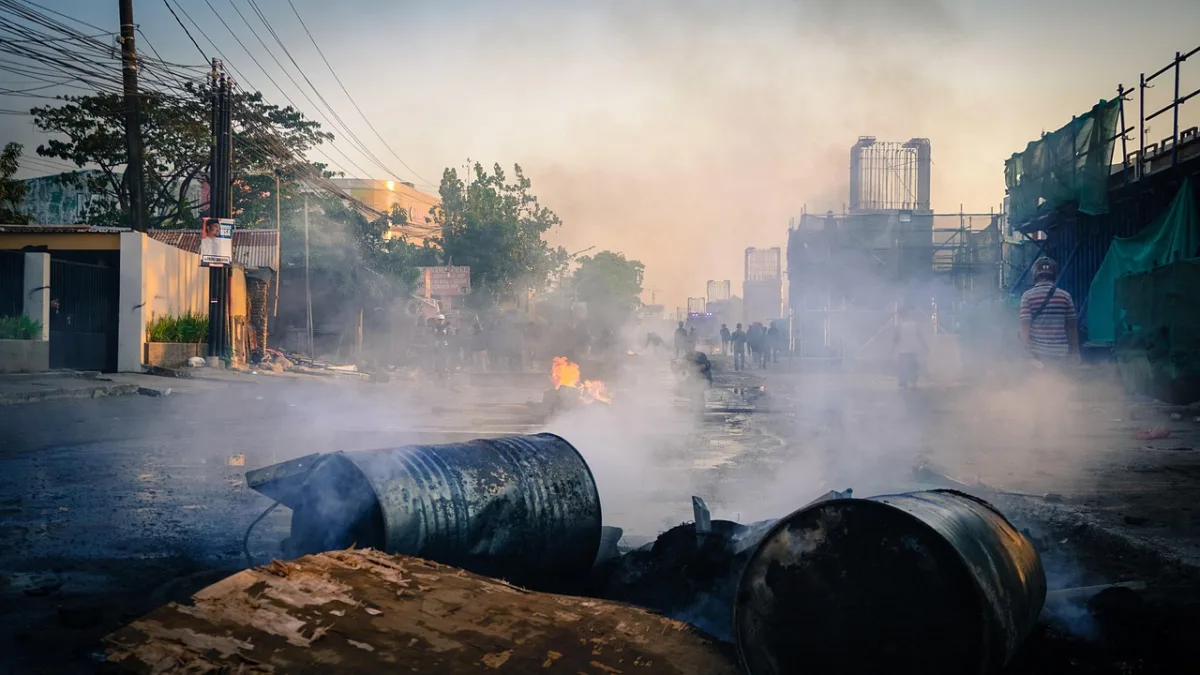
A series of violent confrontations and acts of vandalism have erupted across West Bengal this week, centered around the demolition of structures in Kolkata’s historic New Market and reports of targeted intimidation, forcing local authorities to scramble to maintain order. The incidents, which occurred throughout the state, involved clashes between political factions and communal provocation, prompting urgent appeals for peace from both the Trinamool Congress (TMC) and the Bharatiya Janata Party (BJP).
Context of the Conflict
The state has seen a volatile political environment for several months, characterized by intense rivalry between the ruling TMC and the opposition BJP. The demolition of structures in New Market, a major commercial hub, served as a flashpoint for broader grievances, leading to accusations of administrative overreach and political vendetta. This comes against a backdrop of increasing communal friction, with reports surfacing of religious slogans being shouted on school transport and in public spaces.
Detailed Coverage of Incidents
In Kolkata, the use of bulldozers to clear structures in the New Market area sparked immediate protests, with TMC officials alleging that their local party offices were targeted and vandalized during the process. Simultaneously, reports from other districts detailed incidents of firing and physical clashes, which have left several individuals injured and stoked widespread public anxiety.
The BJP has officially denied involvement in the violence, with party spokespersons characterizing the unrest as a result of internal discord within the TMC ranks. Conversely, state government officials have accused opposition elements of orchestrating the chaos to destabilize the administration ahead of upcoming political milestones.
Expert Perspectives and Data
Political analysts tracking the region note that the frequency of these incidents suggests a breakdown in local law enforcement’s ability to preemptively manage political rallies. According to local police reports, dozens of arrests have been made across various districts, though the underlying causes—ranging from land rights disputes to ideological polarization—remain largely unaddressed by institutional dialogue.
Social observers point to the use of religious imagery and slogans on public infrastructure as a troubling indicator of shifting social dynamics. The intersection of political vandalism and communal rhetoric creates a complex challenge for the state’s security apparatus, which is currently stretched thin across multiple urban and rural sectors.
Implications for the Future
For residents and business owners in West Bengal, the immediate implication is a period of heightened uncertainty and potential disruptions to daily commerce. The normalization of aggressive political tactics, such as the use of heavy machinery for demolitions and the intimidation of public transport, signals a shift toward more confrontational methods of political expression.
Observers will be watching closely to see if the state government implements a more robust regulatory framework for public protests and urban development projects to prevent further escalation. The focus now shifts to whether law enforcement can restore public confidence and whether political leadership will commit to a genuine de-escalation of rhetoric before the next cycle of regional elections begins.