




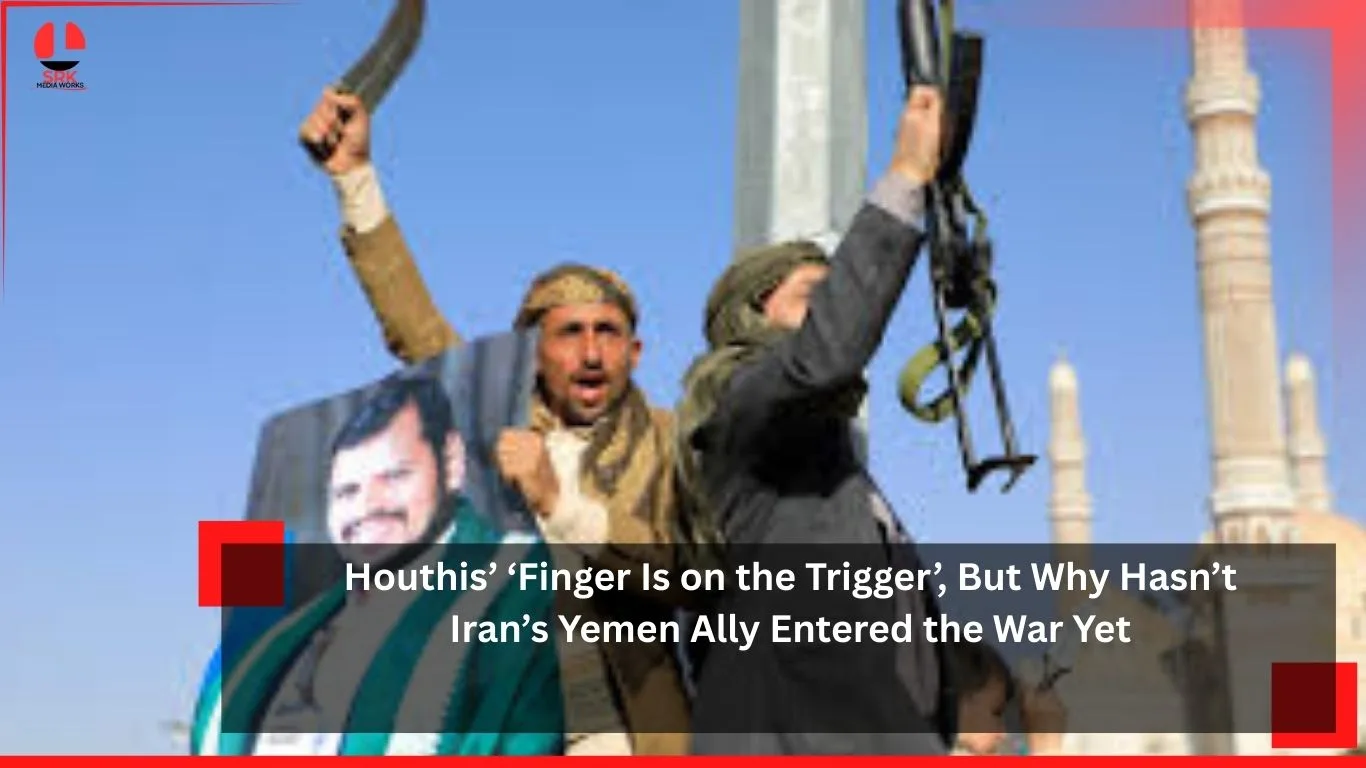
The ongoing Middle East conflict has raised questions about the role of the Houthis, Iran’s ally in Yemen. Despite repeated threats and declarations that their “finger is on the trigger,” the Houthis have not yet fully entered the war. Analysts suggest that strategic calculations, regional dynamics, and Iran’s broader geopolitical considerations are influencing this restraint.
Background of the Houthis’ Position
The Houthis, officially known as Ansar Allah, have been a dominant force in Yemen’s civil war since 2014. Backed by Iran, they control large parts of northern Yemen, including the capital Sana’a.
- Iranian Support: Tehran provides political backing, weapons, and training.
- Regional Role: The Houthis are seen as part of Iran’s “axis of resistance” against Western and Gulf powers.
- Threats Issued: Houthi leaders have repeatedly warned of retaliation against Gulf states and Western interests.
Why Haven’t the Houthis Entered the War?
Despite their rhetoric, several factors explain their hesitation:
- Strategic Timing: Iran may be holding back the Houthis to avoid opening multiple fronts simultaneously.
- Resource Constraints: Yemen’s prolonged civil war has drained Houthi resources.
- Diplomatic Calculations: Iran may want to avoid direct escalation that could trigger wider intervention.
- Regional Pressure: Gulf states and international powers have warned against Houthi involvement.
Comparative Analysis of Iran’s Allies
| Group/Ally | Region | Current Role in Conflict | Level of Engagement |
|---|---|---|---|
| Hezbollah | Lebanon | Active in rhetoric, limited direct action | Medium |
| Houthis (Ansar Allah) | Yemen | Threats issued, no full entry | Low |
| Militias in Iraq | Iraq | Sporadic attacks on US bases | Medium |
| Syrian Proxies | Syria | Supporting Iran’s regional strategy | Medium to High |
This table shows how the Houthis remain less engaged compared to other Iranian allies.
Political Reactions
The Houthis’ restraint has triggered varied responses:
| Stakeholder Group | Reaction Type | Key Observations |
|---|---|---|
| Gulf Governments | Relieved | Fear escalation if Houthis join war |
| Iran | Strategic | Using Houthis as leverage, not escalation |
| International Observers | Cautious | Monitoring for signs of Houthi involvement |
| Yemeni Citizens | Divided | Some support restraint, others demand action |
This distribution highlights the complexity of perceptions around the Houthis’ role.
Historical Parallels
The Houthis have previously threatened action but delayed involvement:
| Year | Incident | Outcome |
|---|---|---|
| 2019 | Drone strikes on Saudi oil facilities | Claimed responsibility, escalated tensions |
| 2021 | Threats against UAE | Limited follow-through, diplomatic pressure |
| 2026 | Middle East war | Finger on trigger, no full entry yet |
This comparison shows a pattern of threats followed by calculated restraint.
Global Implications
The Houthis’ decision not to enter the war yet has broader consequences:
- Regional Stability: Prevents immediate escalation in the Gulf.
- Energy Security: Reduces risk of attacks on oil infrastructure.
- Diplomatic Leverage: Iran uses Houthis as a bargaining chip.
Public Sentiment
Public opinion reflects both relief and skepticism:
- Supporters of Iran: View Houthis as a reserve force waiting for the right moment.
- Critics: Argue Houthis are weakened and unable to act decisively.
- Neutral Observers: Emphasize the need for restraint to avoid humanitarian disaster.
Future Outlook
The Houthis’ role remains uncertain, with several possible scenarios:
| Scenario | Description | Potential Impact |
|---|---|---|
| Full Entry | Houthis launch attacks on Gulf states | Escalation, regional instability |
| Continued Restraint | Houthis remain on sidelines | Reduced escalation, diplomatic leverage |
| Limited Engagement | Sporadic attacks without full involvement | Symbolic impact, manageable escalation |
The future will depend on Iran’s strategy and regional developments.
Conclusion
The Houthis’ declaration that their “finger is on the trigger” reflects their readiness, but their absence from the war underscores Iran’s calculated restraint. By holding back its Yemeni ally, Tehran maintains leverage without risking immediate escalation. Whether the Houthis eventually enter the conflict will depend on shifting regional dynamics, Iran’s strategic priorities, and global diplomatic pressures.
Disclaimer
This article is based on analytical perspectives and available information. It does not confirm or deny confidential military details and should not be interpreted as official government policy. Readers are encouraged to follow verified government statements for authoritative updates.