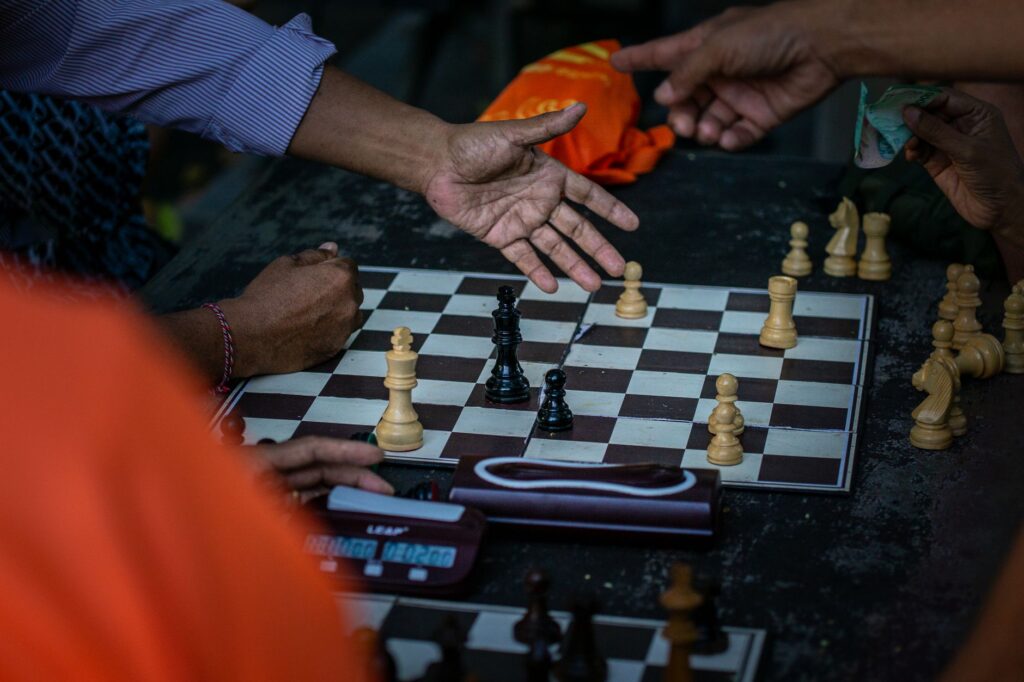

Understanding Magnus Carlsen and Team Chess
Magnus Carlsen is universally recognized as one of the greatest chess players in history. His dominance in individual formats, classical championships, rapid events, and blitz tournaments is legendary. Yet, when it comes to team competitions, his performance and his teams results often tell a different story. Observers have long noticed that the legendary grandmaster does not always achieve the same level of overwhelming success in team events as he does on his own.
The Individual Brilliance Versus Team Dynamics
Chess is fundamentally an individual sport where players rely entirely on their own preparation, psychological resilience, and tactical vision. Team competitions introduce an entirely different dynamic. In events like the Global Chess League or team Olympiads, a player success is tied to the collective performance of a diverse roster. Even if Carlsen wins his individual match, the overall team outcome depends heavily on the boards behind him.
Strategic Challenges in Group Formats
Team formats often feature accelerated time controls, such as rapid or blitz, which introduce a higher degree of variance. In these fast-paced games, upsets are much more common. Carlsen is undeniably elite in rapid and blitz chess, but the strategic burden of carrying a franchise or national team can alter a players approach. The pressure to secure a win for the team rather than playing for a safe draw can sometimes lead to unnecessary risks.
Psychological Pressures and Expectations
Being the highest-rated player in the world comes with immense psychological weight. In team settings, this pressure is magnified. Every opponent raises their game when facing Carlsen, viewing a win or even a draw against him as the highlight of their career. Meanwhile, Carlsen teammates may feel additional pressure performing alongside the world number one. This unique ecosystem creates an unpredictable environment where individual supremacy does not automatically translate into team victories.
Adaptation and the Future of Team Chess
As new team-based chess leagues continue to emerge, elite players must adapt to the specific demands of franchise competition. While Carlsen remains the ultimate competitor in any format, team tournaments require a shift from solitary focus to collaborative strategy. Whether future events will see Carlsen conquer this final frontier remains one of the most compelling storylines in modern professional chess.