




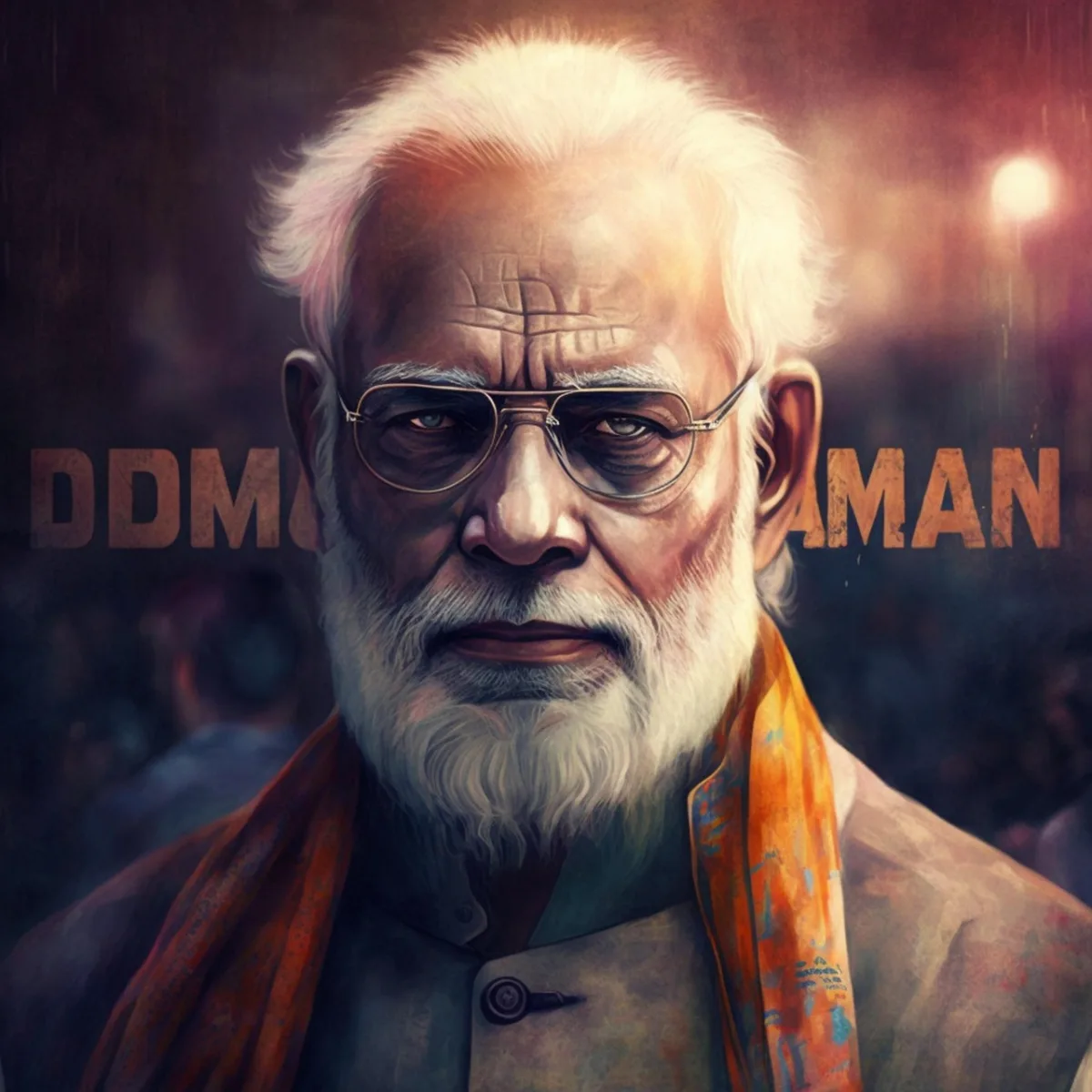
Prime Minister Narendra Modi launched a series of infrastructure and development projects valued at over Rs 4,000 crore in Sikkim on Tuesday, utilizing the platform to highlight the state as a cornerstone of national unity. Addressing a public gathering, the Prime Minister framed the northeastern state’s progress as a direct manifestation of the ‘Ek Bharat Shreshtha Bharat’ (One India, Great India) vision, while simultaneously criticizing the Congress party for its historical record on regional development.
The Context of Regional Integration
The ‘Ek Bharat Shreshtha Bharat’ initiative was introduced by the central government to promote cultural integration and strengthen the emotional bond between different states. For Sikkim, a state that joined the Indian Union in 1975, the push for connectivity and infrastructure has long been a sensitive political issue. Historically, the region has faced challenges related to geographical isolation and limited industrial expansion.
The criticism leveled against the Congress party stems from long-standing claims by the current administration that previous governments neglected the needs of the Northeast. By linking the new infrastructure projects to national integrity, the Prime Minister aims to consolidate support in a region that has seen shifting political allegiances over the past decade.
Infrastructure as a Catalyst for Growth
The Rs 4,000 crore investment portfolio focuses heavily on connectivity, education, and healthcare. These projects are designed to integrate Sikkim more effectively into the national supply chain and improve the quality of life for its residents. Enhanced road networks and digital infrastructure are expected to boost tourism, which remains the primary economic engine for the mountainous state.
Government data suggests that the Northeast region has received unprecedented central funding since 2014. According to the Ministry of Development of North Eastern Region (DoNER), the budgetary allocation for the sector has seen a consistent upward trajectory, aimed at bridging the infrastructure deficit that historically hampered the region’s economic potential.
Expert Perspectives on Development Politics
Political analysts note that the Prime Minister’s rhetoric serves a dual purpose: demonstrating tangible administrative results and countering regional political opposition. By framing the development as a nationalistic imperative, the government seeks to position itself as the sole architect of the region’s modernization.
However, independent observers point out that the success of these projects will ultimately depend on local execution and the ability to maintain ecological balance in a fragile Himalayan ecosystem. While the infusion of capital is welcomed, the challenge lies in balancing rapid industrialization with the environmental sustainability mandates required for the region.
Future Implications for the Northeast
For the residents of Sikkim, the immediate impact will be felt in reduced travel times and better access to essential services. For the broader industry, these developments signal a continued government commitment to the ‘Act East’ policy, which prioritizes the Northeast as a gateway to trade with Southeast Asia.
Observers should watch for the completion timelines of these specific projects, as they will serve as a benchmark for the government’s delivery capabilities in the run-up to future electoral cycles. Furthermore, the focus on ‘Ek Bharat Shreshtha Bharat’ suggests that the central government will continue to emphasize cultural and infrastructure-based national integration as a key pillar of its domestic agenda in the coming years.