


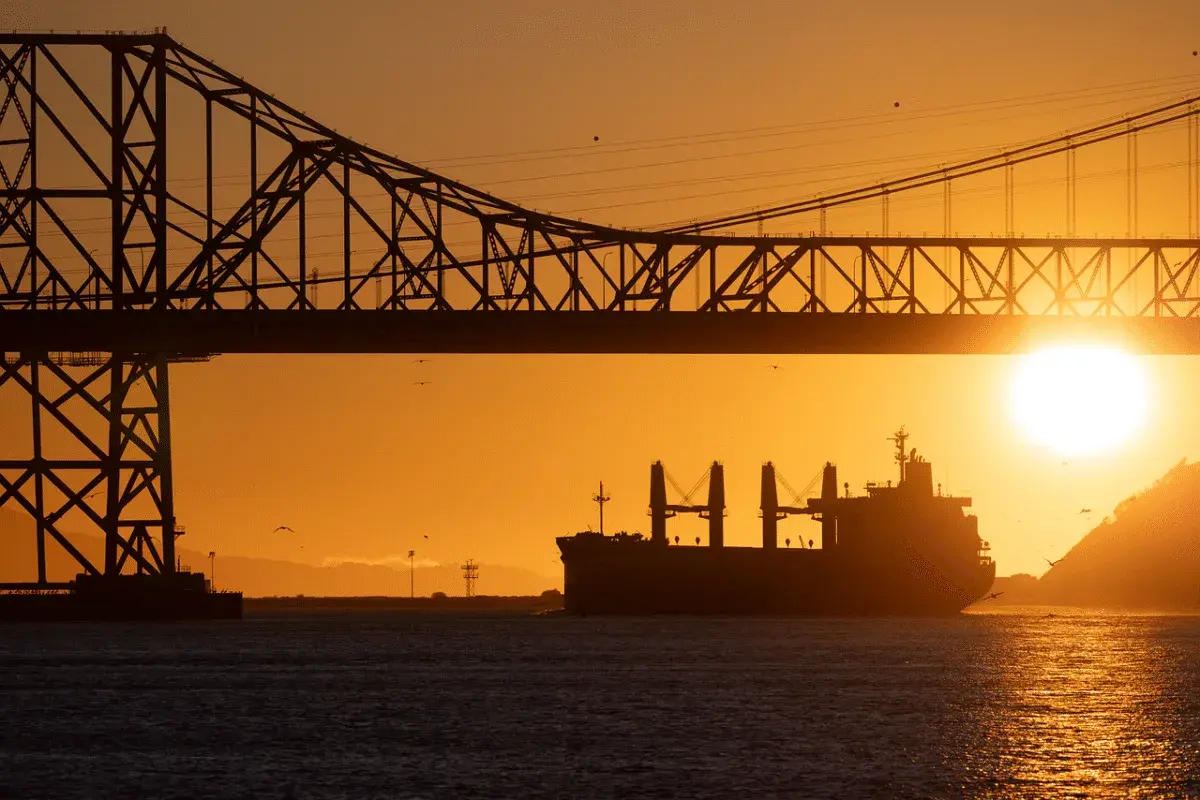
A U.S. fighter jet disabled an Iranian oil tanker in the Gulf of Oman early Tuesday morning, firing upon the vessel to prevent it from breaching the American-led blockade of Tehran’s ports. U.S. Central Command confirmed the incident via a social media statement, noting that the jet successfully struck the tanker’s rudder after the vessel ignored repeated warnings to turn back. The maneuver effectively immobilized the ship, preventing it from reaching its destination as part of a broader U.S. strategy to apply maximum economic pressure on the Iranian government.
The Context of the Naval Blockade
The incident represents a significant escalation in the ongoing maritime standoff between Washington and Tehran. The U.S. has maintained a stringent blockade on Iranian ports for several months, aiming to cripple the country’s oil exports and compel the leadership to return to the negotiating table. This strategy is a cornerstone of the Trump administration’s current foreign policy, which seeks to secure a comprehensive agreement to end regional hostilities.
Tehran has repeatedly challenged these restrictions, viewing the blockade as an act of economic warfare. Previous attempts to circumvent the sanctions have primarily involved clandestine shipping routes and the disabling of transponders. However, this is the first instance of direct kinetic military engagement involving a U.S. aircraft targeting an Iranian commercial vessel in these contested waters.
Escalating Strategic Risks
Military analysts suggest that the use of a fighter jet to disable a commercial tanker signals a shift in the Rules of Engagement. By targeting the rudder rather than the hull or cargo, the U.S. military demonstrated a calibrated attempt to stop the vessel without causing an immediate environmental catastrophe or mass casualties. Despite this precision, the move risks triggering a direct military response from the Iranian Revolutionary Guard Corps (IRGC).
Data from maritime tracking firms indicate that Iranian oil exports have dropped by more than 80% since the implementation of the current blockade. Tehran has struggled to maintain its currency valuation and state budget, placing immense domestic pressure on the regime. Economic experts note that the regime’s willingness to risk its remaining tanker fleet suggests that the government is reaching a critical threshold regarding its foreign exchange reserves.
Industry and Geopolitical Implications
Global energy markets reacted sharply to the news, with crude oil futures jumping by more than 3% in early morning trading. Shipping insurers are already warning of increased premiums for vessels operating in the Gulf of Oman, citing the heightened risk of collateral damage or detention. This volatility creates uncertainty for global supply chains that rely on the narrow Strait of Hormuz for a significant portion of the world’s daily oil consumption.
For the shipping industry, the incident implies a new era of risk management. Commercial operators must now account for the possibility of being caught in the crossfire of great-power competition. Maritime security consultants are advising clients to increase surveillance and consider alternative routes, even if those paths are less efficient or more costly.
Observers are now watching for Tehran’s next move, particularly whether the Iranian military will attempt to retaliate through asymmetric means, such as the use of fast-attack craft or naval mines. The effectiveness of the U.S. blockade will be tested in the coming weeks as Washington evaluates whether this show of force will actually compel Tehran toward a diplomatic deal or simply entrench the current cycle of hostility. International observers remain focused on whether diplomatic channels can be reopened before the maritime theater descends into a wider, uncontained conflict.