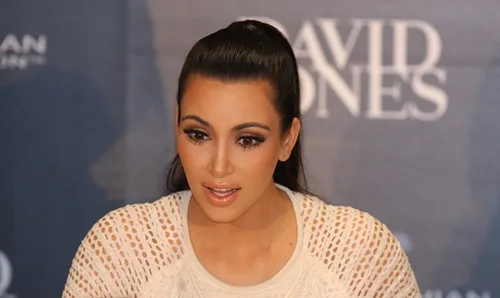





Indian model and Chanel brand ambassador Bhavitha Mandava sparked a firestorm of international criticism this week after appearing at the 2026 Met Gala wearing a casual jeans-and-top ensemble. The choice, which defied the event’s traditional commitment to high-fashion opulence, has prompted a fierce debate among industry critics, social media users, and luxury observers regarding the evolving expectations of red-carpet attire.
The Context of High-Fashion Tradition
The Met Gala, hosted annually by the Metropolitan Museum of Art in New York City, is widely considered the pinnacle of fashion fundraising. For decades, the event has mandated elaborate, avant-garde, or theme-specific couture that pushes the boundaries of design.
Chanel, a house historically defined by its meticulous craftsmanship and legacy of refined elegance, has rarely deviated from formal gala standards. By dressing a marquee representative in denim, the brand broke a long-standing unwritten rule of the event, leaving attendees and viewers questioning whether this was a strategic subversion or a missed opportunity.
Analyzing the Stylistic Shift
Critics of the look argue that the casual attire failed to respect the gravity of the Met Gala’s cultural significance. Many fashion analysts suggest that while streetwear has influenced luxury labels, the red carpet remains a space reserved for artistic spectacle rather than everyday wear.
Conversely, some observers posit that the move was a calculated marketing maneuver. By leaning into the ‘quiet luxury’ or ‘anti-fashion’ trend, Chanel may have intended to generate digital engagement through controversy—a tactic that has proven effective in an era where social media virality often outweighs traditional red-carpet aesthetics.
Industry Perspectives and Data Trends
Fashion marketing experts point to a broader shift in consumer behavior, noting that younger demographics are increasingly drawn to brands that challenge status-quo aesthetics. According to recent luxury market sentiment reports, interest in ‘accessible’ luxury has risen by 15% over the past two years, as consumers move away from overt displays of wealth.
Despite this trend, the backlash against Mandava’s look suggests a disconnect between brand strategy and public expectations. Public relations analysts have noted that the sheer volume of negative social media sentiment regarding the ensemble could potentially impact brand perception if it is viewed as a lack of respect for the gala’s heritage.
Implications for Future Red Carpets
The incident forces a conversation about the role of legacy fashion houses in a rapidly digitizing world. If luxury brands prioritize viral moments over the preservation of their design history, the definition of ‘red carpet fashion’ may undergo a permanent transformation.
Industry watchers should monitor upcoming fashion weeks to see if this marks the beginning of a broader ‘casualization’ movement within high-end couture or if it remains an isolated, albeit expensive, misstep. The long-term impact on Mandava’s career and Chanel’s brand positioning will likely be measured by how both parties address the criticism in their upcoming promotional cycles.