




Strategic Pause in the Persian Gulf
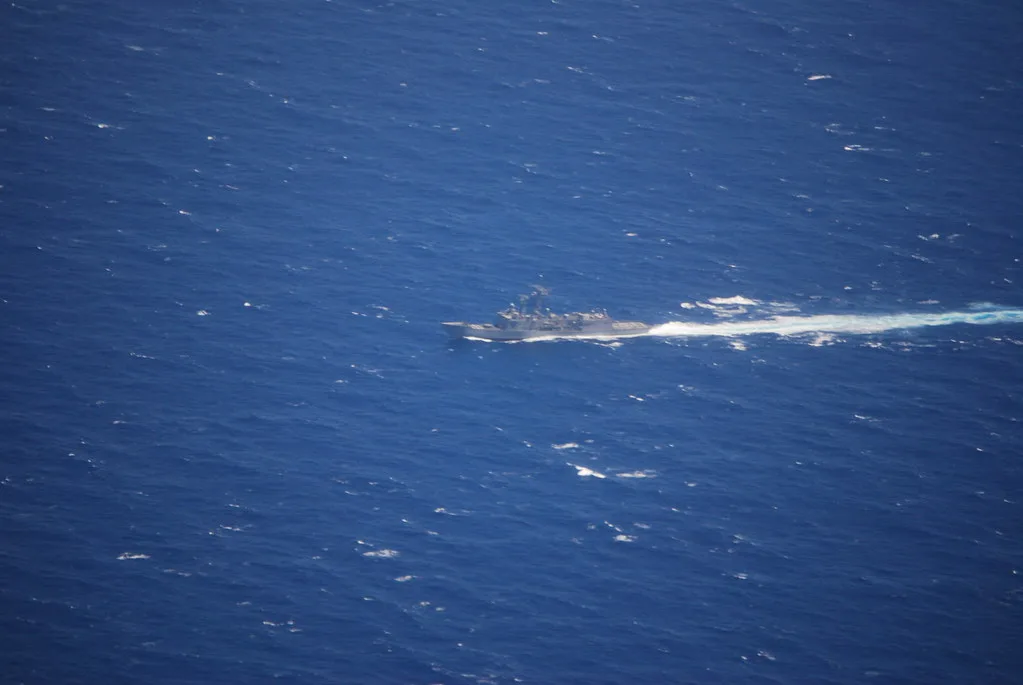
President Donald Trump announced a sudden halt to a U.S.-led naval operation in the Strait of Hormuz this week, just 48 hours after its initial deployment. The mission, intended to secure international shipping lanes in one of the world’s most vital oil chokepoints, has been suspended as the White House shifts its focus toward securing a comprehensive and final diplomatic agreement with the Iranian government.
The decision marks a pivot in U.S. foreign policy as the administration balances a policy of ‘maximum pressure’ with an emerging desire for high-level negotiations. By pausing the operation, the White House aims to lower regional tensions that have surged following recent attacks on commercial tankers and the downing of a U.S. surveillance drone.
Context of Regional Instability
The Strait of Hormuz serves as the primary maritime route for approximately 20% of the world’s total oil consumption. Tensions in the region have escalated steadily since the U.S. withdrew from the Joint Comprehensive Plan of Action (JCPOA), commonly known as the Iran nuclear deal, in 2018.
Recent months have seen a series of maritime incidents, including sabotage operations against oil tankers near the Gulf of Oman. These events prompted the U.S. to propose a maritime security initiative designed to increase surveillance and military presence in the area to deter further Iranian aggression.
Shifting Diplomatic Dynamics
The sudden suspension of the operation highlights the internal friction within the administration regarding the best approach to Tehran. While some officials favor maintaining a robust military posture to protect global trade, others are pushing for a cooling-off period that could facilitate direct or indirect dialogue.
Critics of the administration argue that mixed messaging creates ambiguity for allies who have been pressured to join the U.S. security coalition. Conversely, supporters suggest that the pause is a calculated strategic move intended to signal to Iranian leadership that the U.S. is prepared to de-escalate if Tehran agrees to return to the negotiating table.
Expert Perspectives and Economic Impacts
Energy analysts suggest that the market remains highly volatile, with even a temporary pause in military activity providing only marginal relief. According to data from the International Energy Agency, any sustained disruption in the Strait would likely cause global crude prices to spike, impacting economies worldwide.
Regional security experts note that Iran views the presence of foreign naval forces as a provocation. By withdrawing or pausing these assets, the U.S. is removing a primary friction point. However, security analysts warn that a lack of a formal security framework could leave tankers vulnerable to future asymmetrical threats if diplomatic talks fail to materialize.
Future Implications for Global Security
The immediate consequence of this pause is a period of heightened uncertainty for shipping companies and international insurers operating in the Persian Gulf. Observers are now looking toward the upcoming United Nations General Assembly, where potential back-channel communications between U.S. and Iranian officials are expected to be scrutinized.
Market participants will continue to monitor the status of the maritime security initiative, watching for any signs of a total abandonment of the project or a sudden reactivation. The success or failure of the administration’s new diplomatic overture will likely dictate whether the U.S. reinforces its military presence or pursues a deeper withdrawal from regional security commitments in the coming months.