




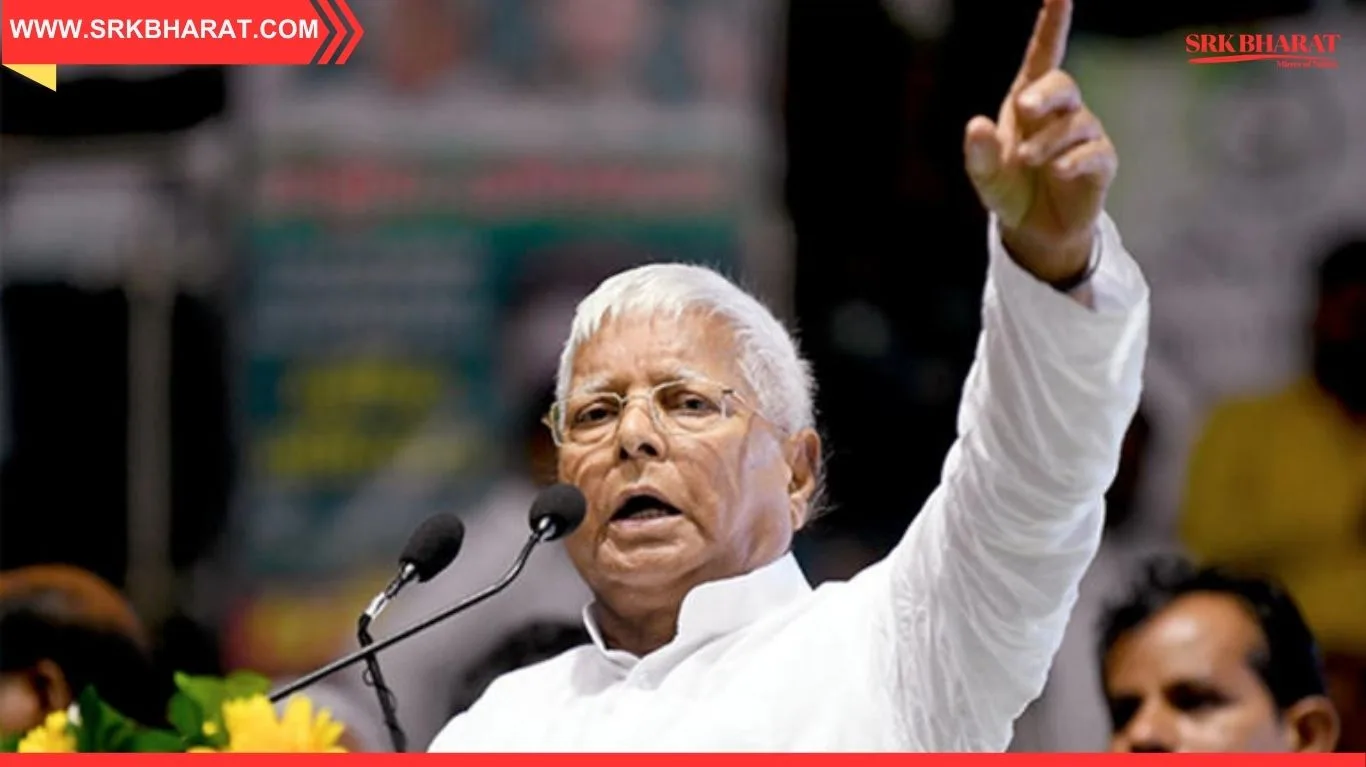
The political landscape of Bihar witnessed a symbolic change as Rashtriya Janata Dal (RJD) supremo Lalu Prasad Yadav moved to a quieter residence, a decision that many observers believe signals a deeper shift in the party’s internal dynamics and future direction. Known for his larger-than-life persona and fiery political style, Lalu’s move is being interpreted as both a personal choice for peace and a political message about generational transition within the RJD.
Lalu Yadav’s Political Journey
Lalu Prasad Yadav has been one of the most influential figures in Bihar’s politics for decades.
- Early Rise: Rose to prominence in the 1980s as a champion of social justice.
- Chief Ministership: Served as Bihar’s Chief Minister from 1990 to 1997, reshaping caste-based politics.
- National Role: Held the position of Union Railway Minister, gaining popularity for populist measures.
- Legal Challenges: Faced multiple corruption cases, including the fodder scam, which impacted his political career.
- Continued Influence: Despite health issues and legal battles, Lalu remains a towering figure in Bihar politics.
Key Highlights Of Lalu Yadav’s Move
| Aspect | Details | Impact |
|---|---|---|
| Residence Shift | Moved to quieter home | Symbolic of political transition |
| Personal Reason | Health & peace | Focus on recovery |
| Political Message | Generational shift | Tejashwi Yadav’s growing role |
| Party Dynamics | RJD leadership evolving | Signals new strategy |
| Public Sentiment | Mixed reactions | Nostalgia & curiosity |
Why The Move Matters
Lalu Yadav’s decision to relocate is significant for several reasons:
- Health Considerations: His health has been a concern, and a quieter environment supports recovery.
- Generational Transition: Indicates a gradual handover of responsibilities to his son, Tejashwi Yadav.
- Political Messaging: Suggests a softer, more strategic approach to politics.
- Party Strategy: Reflects RJD’s attempt to modernize and appeal to younger voters.
- Public Perception: Sparks nostalgia among supporters while raising curiosity about the party’s future.
RJD Leadership Transition
| Leader | Role | Current Focus | Public Perception |
|---|---|---|---|
| Lalu Prasad Yadav | Party Supremo | Advisory, symbolic presence | Respected elder statesman |
| Rabri Devi | Former CM | Supportive role | Seen as stabilizing force |
| Tejashwi Yadav | Current Leader | Active politics, youth outreach | Emerging face of RJD |
| Tej Pratap Yadav | MLA | Limited political activity | Controversial but loyal |
| Party Cadre | Grassroots | Mobilization & campaigns | Awaiting clear direction |
Political Implications
The move has sparked discussions about the future of RJD:
- Tejashwi’s Rise: Seen as the natural successor, Tejashwi is expected to take on greater responsibilities.
- Party Strategy: Focus on youth, employment, and modern governance issues.
- Opposition Dynamics: RJD’s evolving leadership will impact its alliances with Congress and Left parties.
- BJP vs RJD: The shift could redefine how RJD positions itself against the ruling BJP in Bihar.
Expert Opinions
- Political Analysts: Suggest the move symbolizes a generational shift in Bihar politics.
- Sociologists: Highlight the importance of Lalu’s legacy in shaping caste-based politics.
- Economists: Note that RJD’s future strategy may focus more on development and employment.
- Global Observers: Point out that Lalu’s quieter role reflects broader trends of generational leadership transitions in democracies.
Public Sentiment
- Supporters: Express nostalgia for Lalu’s fiery speeches and populist style.
- Critics: Question whether RJD can remain relevant without Lalu’s charisma.
- Neutral Observers: Emphasize the importance of Tejashwi’s leadership in shaping the party’s future.
- Social Media: Flooded with tributes, memes, and debates about Lalu’s move.
Challenges Ahead For RJD
- Leadership Transition: Ensuring smooth handover of responsibilities to Tejashwi.
- Party Unity: Managing differences within the Yadav family and party cadre.
- Electoral Strategy: Crafting policies that resonate with both rural and urban voters.
- Public Trust: Overcoming past controversies and corruption allegations.
- Alliance Politics: Maintaining strong ties with opposition parties at the national level.
Future Outlook
- Short-Term: Tejashwi expected to lead RJD’s campaigns with Lalu in an advisory role.
- Medium-Term: Party likely to focus on youth-centric policies and employment.
- Long-Term: RJD’s survival and growth will depend on Tejashwi’s ability to balance legacy with modernization.
- National Impact: RJD’s evolution could influence opposition strategies in national politics.
Conclusion
The move of Lalu Prasad Yadav to a quieter home is more than a personal decision—it is a symbolic moment in Bihar’s political history. It reflects the gradual transition of leadership within the RJD, the rise of Tejashwi Yadav, and the party’s attempt to adapt to changing political realities.
For supporters, it is a moment of nostalgia. For critics, it raises questions about the party’s future. And for Bihar, it marks the beginning of a new chapter in the story of one of its most influential political families.
Disclaimer: This article is based on publicly available political updates, expert commentary, and media analysis. Readers are advised to follow official party statements and verified sources for detailed information.