





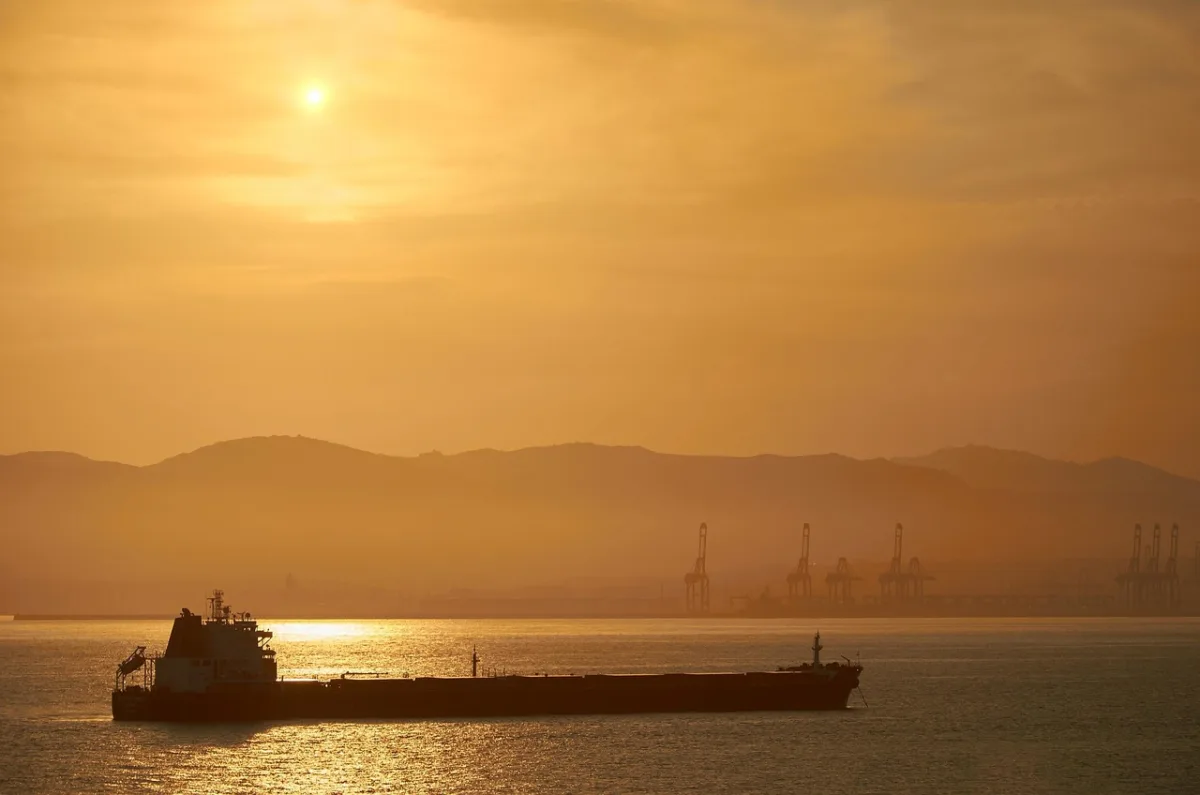
California’s energy sector entered a period of heightened uncertainty this week as the tanker New Corolla arrived at the Port of Long Beach, marking the final scheduled delivery of crude oil from the Middle East to the state. Carrying approximately 2 million barrels of Iraqi crude, the vessel completed its journey through the Strait of Hormuz before the recent escalation of regional conflict, leaving state energy officials and industry analysts without a clear roadmap for future supply chain stability.
The Context of California’s Energy Dependency
California remains a unique energy island, operating a specialized fuel market that requires a specific blend of gasoline formulated to meet stringent environmental regulations. Historically, the state has relied on a mix of domestic production, Alaskan oil, and imports to satisfy its high demand.
While the state has significantly diversified its energy portfolio, the reliance on international shipping routes remains a critical vulnerability. The Strait of Hormuz, a narrow waterway through which roughly one-fifth of the world’s oil supply passes, has long been a focal point for geopolitical tension, directly impacting the steady flow of crude to West Coast refineries.
Market Pressures and Pricing Volatility
The arrival of the New Corolla coincides with a period of intense economic strain for California consumers, as average gas prices across the state have climbed above $6 per gallon. This price floor is driven by a combination of state-specific taxes, environmental compliance costs, and global market fluctuations.
Energy analysts suggest that the cessation of these specific Middle Eastern shipments could tighten supply margins further. Any disruption in the supply chain, however minor, tends to have an outsized impact on California’s retail fuel prices due to the state’s limited refinery capacity and lack of pipeline connectivity to other major U.S. oil hubs.
Expert Perspectives on Supply Chain Diversification
Industry experts emphasize that the loss of this supply route does not necessarily signal an immediate shortage, but it does force a shift in procurement strategies.