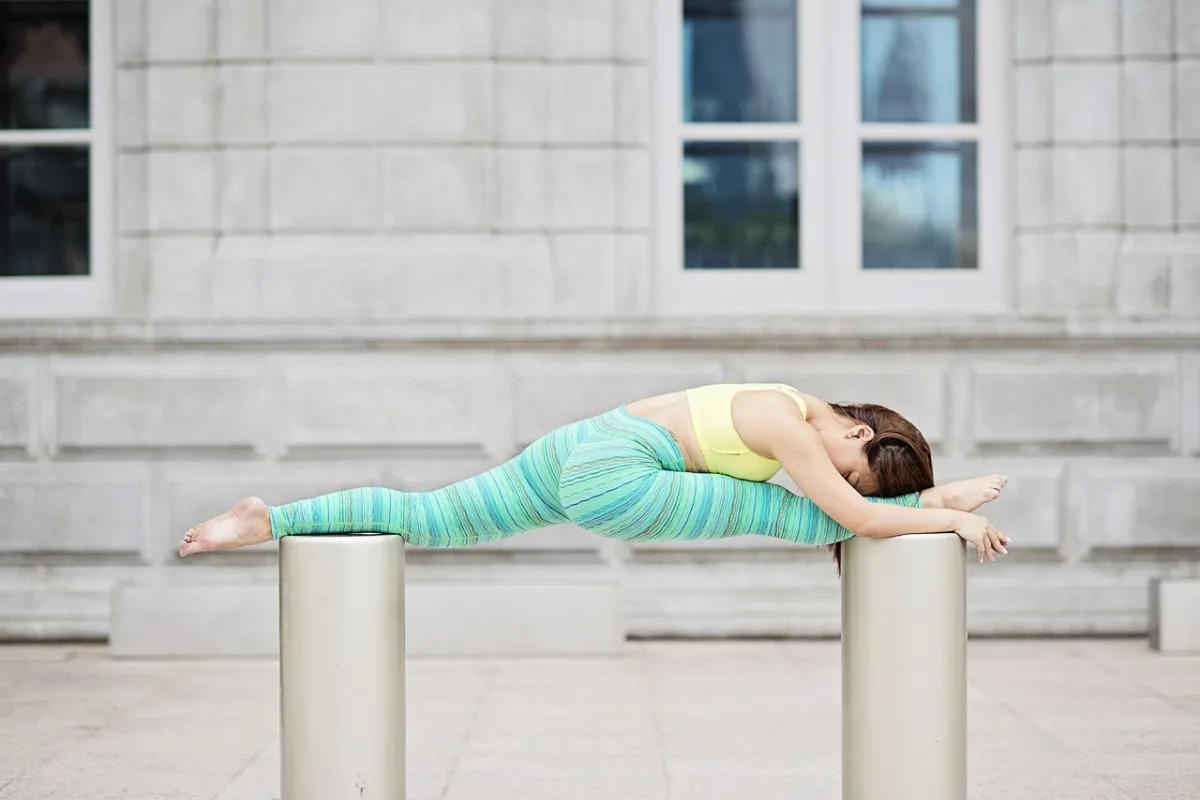





Pilates has emerged as the fastest-growing fitness modality in 2024, captivating millions of practitioners worldwide through its focus on core strength, postural alignment, and functional movement. Originating in the early 20th century, this method has transitioned from a specialized rehabilitation tool into a mainstream global phenomenon, fueled by digital accessibility and a growing consumer preference for low-impact, sustainable exercise routines.
The Historical Foundation of Controlled Movement
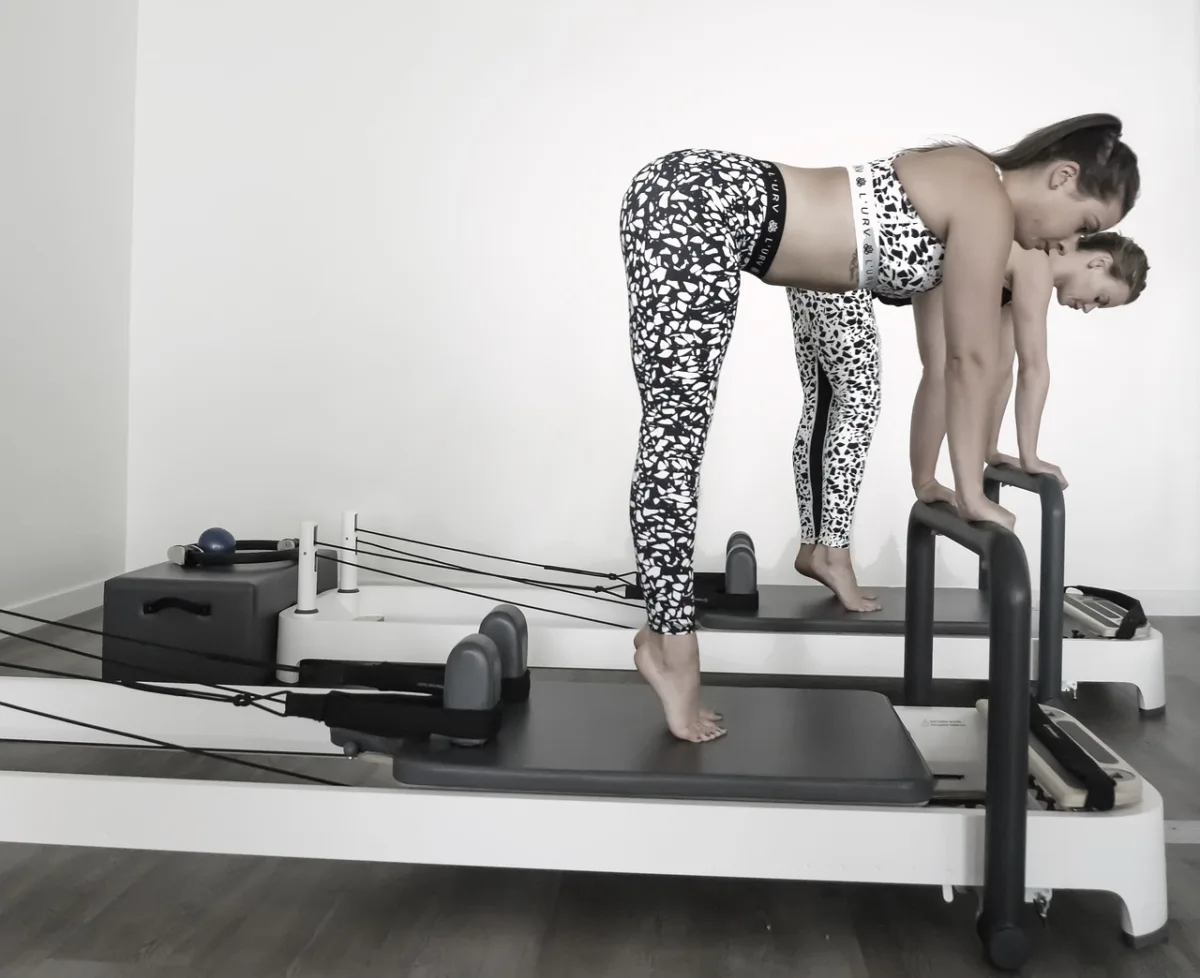
Developed by Joseph Pilates during World War I, the discipline was originally designed to aid the recovery of bedridden patients. Pilates utilized springs and pulleys attached to hospital beds to provide resistance, effectively creating the prototype for the modern ‘reformer’ machine.
Following his move to New York City in the 1920s, the method gained traction among dancers and athletes seeking to refine their physical technique and prevent injury. For decades, it remained a niche practice, largely confined to boutique studios and professional dance conservatories.
Why the Modern Market is Pivoting
The recent surge in popularity is attributed to a cultural shift away from high-intensity interval training (HIIT) toward ‘mindful movement.’ Industry data from the International Health, Racquet & Sportsclub Association (IHRSA) indicates a 20% increase in boutique studio memberships specifically for Pilates and barre-based classes over the last two years.
Digital platforms have played a critical role in this expansion. The democratization of Pilates through mobile applications and streaming services allows users to access high-quality instruction without the traditional barrier of expensive in-studio equipment.
Expert Perspectives on Functional Fitness
Physical therapists frequently recommend Pilates as a primary intervention for chronic lower back pain and postural dysfunction. Unlike traditional weightlifting, which often emphasizes isolated muscle groups, Pilates focuses on the ‘powerhouse’—the deep abdominal muscles, glutes, and pelvic floor.
Dr. Elena Rossi, a sports medicine specialist, notes that the movement patterns in Pilates mirror the demands of daily life. ‘By emphasizing eccentric muscle contractions and controlled breathing, practitioners develop a level of stability that is often missed in conventional gym settings,’ she explains.
Economic and Industry Implications
The fitness industry is responding to this trend by investing heavily in hybrid business models. Major gym chains are reallocating floor space to accommodate reformer machines, recognizing that the high demand for Pilates classes allows for premium pricing structures.
Furthermore, the ‘athleisure’ market has aligned itself with the aesthetic of the Pilates community. Retail analysts observe that the demand for high-quality, stretch-focused apparel correlates directly with the rising enrollment numbers in studio classes.
What to Watch Next
Industry experts predict that the next phase of the Pilates trend will involve the integration of biometric tracking technology into studio equipment. As consumers demand more quantifiable data regarding their alignment and progress, manufacturers are expected to roll out smart-reformers capable of measuring force distribution and range of motion. Additionally, expect to see an increase in clinical Pilates programs certified by health insurance providers as the practice continues to bridge the gap between fitness and physical therapy.