



Military Engagement in the Gulf of Oman
A U.S. fighter jet disabled an Iranian-flagged oil tanker in the Gulf of Oman on May 6 after the vessel ignored repeated warnings to halt its approach toward an Iranian port. U.S. Central Command (CENTCOM) confirmed the operation, stating that the M/T Hasna was intercepted for violating a U.S.-led blockade that has been active since April 13.
Context of the Maritime Blockade
The blockade, established in mid-April, represents a significant escalation in tensions between Washington and Tehran regarding maritime security and energy exports. International shipping lanes in the Gulf of Oman serve as a critical artery for global oil markets, making any disruption to traffic a point of intense geopolitical sensitivity.
Tactical Execution and Escalation
The incident began at approximately 9 a.m. ET, when U.S. naval forces identified the Hasna moving toward restricted waters. Despite multiple radio warnings issued by the USS Abraham Lincoln carrier strike group, the tanker maintained its course.
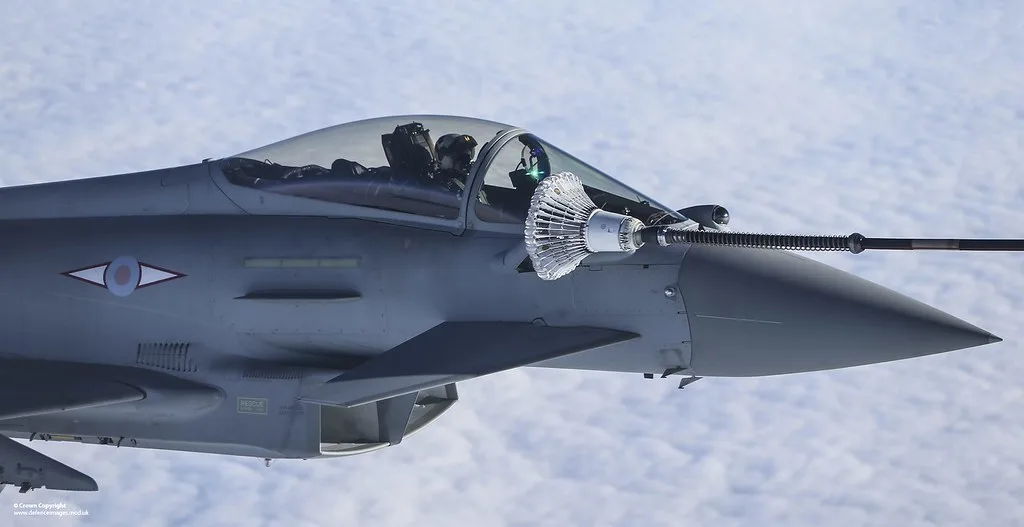
In response, the carrier dispatched an F/A-18 Super Hornet to intervene. The fighter pilot utilized the aircraft’s 20 mm cannon to strike the vessel’s rudder, effectively disabling the ship’s steering and forcing it to come to a halt. CENTCOM reported that the vessel remains stationary as of this afternoon.
Expert Perspectives on Maritime Security
Maritime security analysts suggest that the use of air power to stop a commercial vessel is a rare and aggressive tactic. According to data from the International Maritime Bureau, such kinetic interventions are typically reserved for situations where diplomatic and naval surface-level warnings fail to secure compliance.
“The deployment of a fighter jet to disable a rudder is a clear signal of intent,” said a regional defense analyst. “It moves the enforcement of the blockade from a passive monitoring role to an active interdiction posture.”
Implications for Global Energy Markets
The direct disablement of a crude oil tanker carries immediate consequences for the energy sector. Analysts expect increased volatility in oil futures as shipping companies reassess the risk of traversing the Gulf of Oman under the current blockade conditions.
For the logistics industry, this event underscores the growing difficulty of navigating Middle Eastern waters amid heightening sanctions enforcement. Observers are now watching to see how Tehran responds to the loss of the vessel, with many anticipating potential retaliatory measures against commercial shipping or further naval posturing in the Strait of Hormuz.
The next phase of this development will likely involve international diplomatic maneuvering to prevent further escalation. Observers should monitor for official statements from the Iranian government and any potential shifts in the U.S. naval presence in the region over the coming 48 hours.