




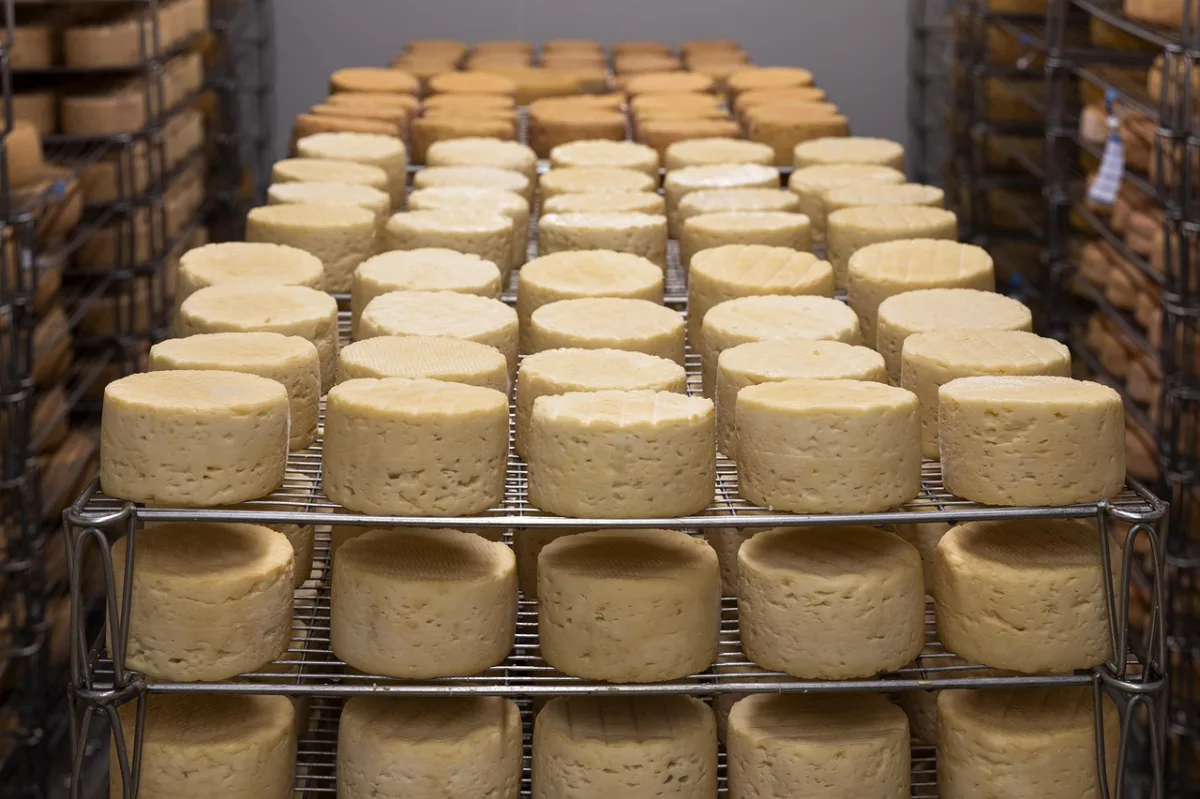
A Bold Fusion in Dibrugarh
Queso, a boutique artisanal cheese producer based in Dibrugarh, Assam, is currently disrupting the Indian dairy landscape by blending classical European cheesemaking techniques with the intense, localized heat of the Bhoot Jolokia (ghost pepper). Launched this year, the brand aims to bridge the gap between traditional Assamese agricultural heritage and the growing demand for premium, small-batch food products among urban Indian consumers.
The Intersection of Tradition and Terroir
For decades, the Indian cheese market was dominated by mass-produced processed blocks. However, a recent shift in consumer palate toward gourmet, craft, and farm-to-table products has paved the way for regional innovators like Queso. By utilizing high-quality, locally sourced milk, the brand maintains a commitment to freshness that large-scale industrial competitors struggle to replicate.
The inclusion of the Bhoot Jolokia—officially recognized as one of the world’s hottest peppers—is a calculated move to highlight regional identity. This ingredient, native to the Northeast, provides a sharp, smoky heat that cuts through the rich, buttery profile of aged cheddar, creating a sensory experience that is distinctly tied to its geographical origin.
Scaling the Small-Batch Model
The operational philosophy at Queso centers on the slow-food movement, emphasizing artisanal craftsmanship over automated production. Each wheel of cheese is hand-turned and aged in climate-controlled environments that mimic the conditions found in traditional European dairies, yet adapted for the humid climate of Assam.
Market analysts note that the specialty cheese segment in India is projected to grow at a compound annual growth rate (CAGR) of over 12% through 2028. Brands like Queso are capitalizing on this by positioning themselves as luxury pantry staples. The brand’s ability to maintain consistency while working with potent, volatile ingredients like ghost peppers requires significant technical precision, a testament to the evolving skills of regional food entrepreneurs.
Expert Perspectives on Flavor Innovation
Culinary experts suggest that the fusion of high-fat dairy and capsaicin-rich peppers is an ideal pairing for modern consumers who seek bolder flavor profiles. The fat content in the cheddar acts as a buffer for the intense heat of the Bhoot Jolokia, allowing the complex floral notes of the pepper to emerge without overwhelming the palate.
“The success of such products hinges on the balance between the integrity of the base cheese and the intensity of the additive,” notes food industry consultant Arjun Mehta. “Queso is tapping into a ‘glocal’ trend where consumers want global formats infused with hyper-local ingredients that tell a story about where they come from.”
Shifting Industry Paradigms
For the broader dairy industry, the emergence of Queso signals a decentralization of high-end food production in India. It demonstrates that premium products do not need to be manufactured in major metropolitan hubs like Mumbai or Delhi to capture national attention. Furthermore, the brand is providing a value-added market for local dairy farmers, potentially boosting the regional economy by demanding higher-grade milk supplies.
Moving forward, industry observers will be watching to see if Queso expands its line to include other regional ingredients, such as fermented bamboo shoots or wild herbs, to further differentiate its offerings. The brand’s next hurdle will be scaling its distribution network while maintaining the quality standards that have defined its early success. As supply chains improve, the potential for regional artisanal brands to replace imported European cheeses on high-end retail shelves remains a significant long-term possibility.