





The Strategic Dominance of Operation Sindoor
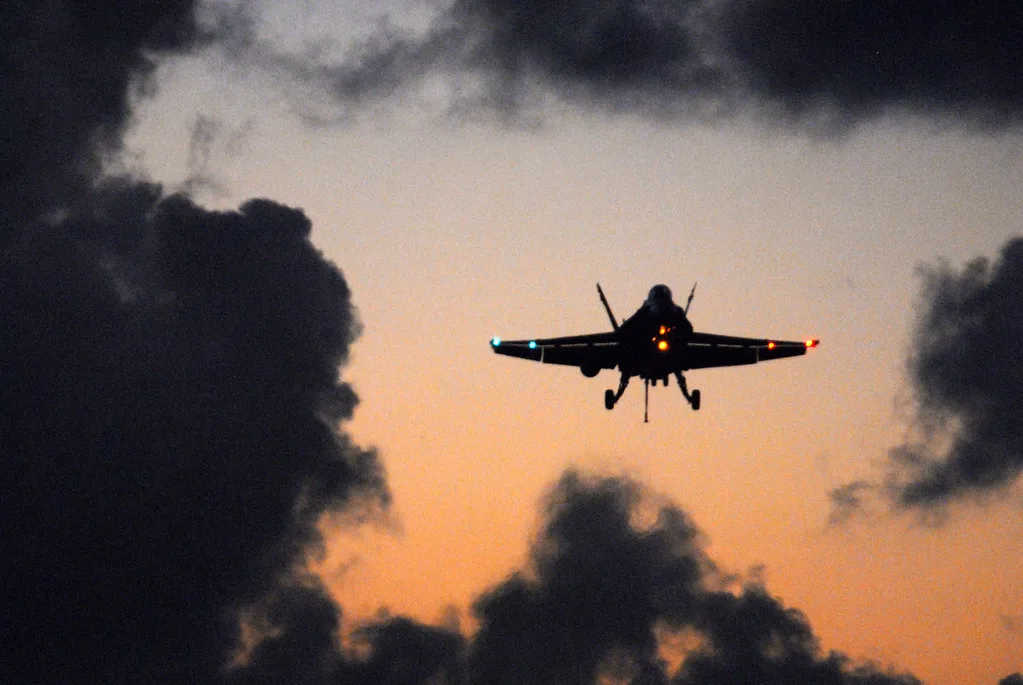
One year after the initiation of Operation Sindoor, defense analysts are confirming that the Indian Air Force achieved decisive air superiority over Pakistan within a 72-hour window. The operation, which fundamentally altered regional security dynamics, saw the neutralisation of 13 aircraft and the strategic degradation of 11 airfields across the border. This rapid deployment of force has been lauded by international military observers as a masterclass in modern aerial maneuvering and logistical precision.
The Context of Escalation
Operation Sindoor emerged from a period of heightened geopolitical tension that necessitated a shift in India’s military doctrine. Following years of border instability, the Indian armed forces transitioned toward a more aggressive posturing, often referred to by experts as ‘Cold Start 2.0.’ This strategy prioritizes rapid response times and the ability to conduct integrated strikes before an adversary can fully mobilize their defensive architecture.
Analyzing the Operational Success
Air Marshal Bharti, a key figure in the strategic planning of the mission, noted that the success of the operation was contingent upon the seamless integration of intelligence and strike capabilities. By targeting critical airfields early in the engagement, the Indian Air Force effectively grounded the opposition’s ability to mount a sustained counter-offensive. This prevented the conflict from spiraling into a protracted war of attrition, which was a primary objective of the high-command.
The Human and Economic Cost
While the strategic objectives were met with military precision, the conflict left a tangible mark on local communities. Reports from regions like Pulwama and Poonch highlight the lasting impact on infrastructure, specifically within the education sector. Two schools in these border regions continue to struggle with the aftermath, serving as a somber reminder that the cost of military superiority is often borne by the civilian population in contested zones.
Expert Perspectives on Modern Warfare
US-based defense analysts who have reviewed the engagement data suggest that India’s performance validates the efficacy of its recent technological investments. The transition from legacy systems to advanced, networked aerial platforms allowed for a level of coordination previously unseen in the region. According to these experts, the 72-hour timeline for achieving air superiority sets a new benchmark for regional powers in the 21st century.
Future Implications for Regional Stability
The success of Operation Sindoor has prompted a re-evaluation of military deterrence across South Asia. As both nations recalibrate their defense strategies, the focus is shifting toward drone warfare and integrated cyber-defense systems. Observers are now closely monitoring whether this shift toward rapid, decisive strike capabilities will serve to deter future incursions or if it will inadvertently lower the threshold for future military engagements. The coming year will likely see an increase in defense spending and a further hardening of border surveillance technologies on both sides of the line of control.