

Protests Erupt in Venice Over Israel’s Biennale Participation
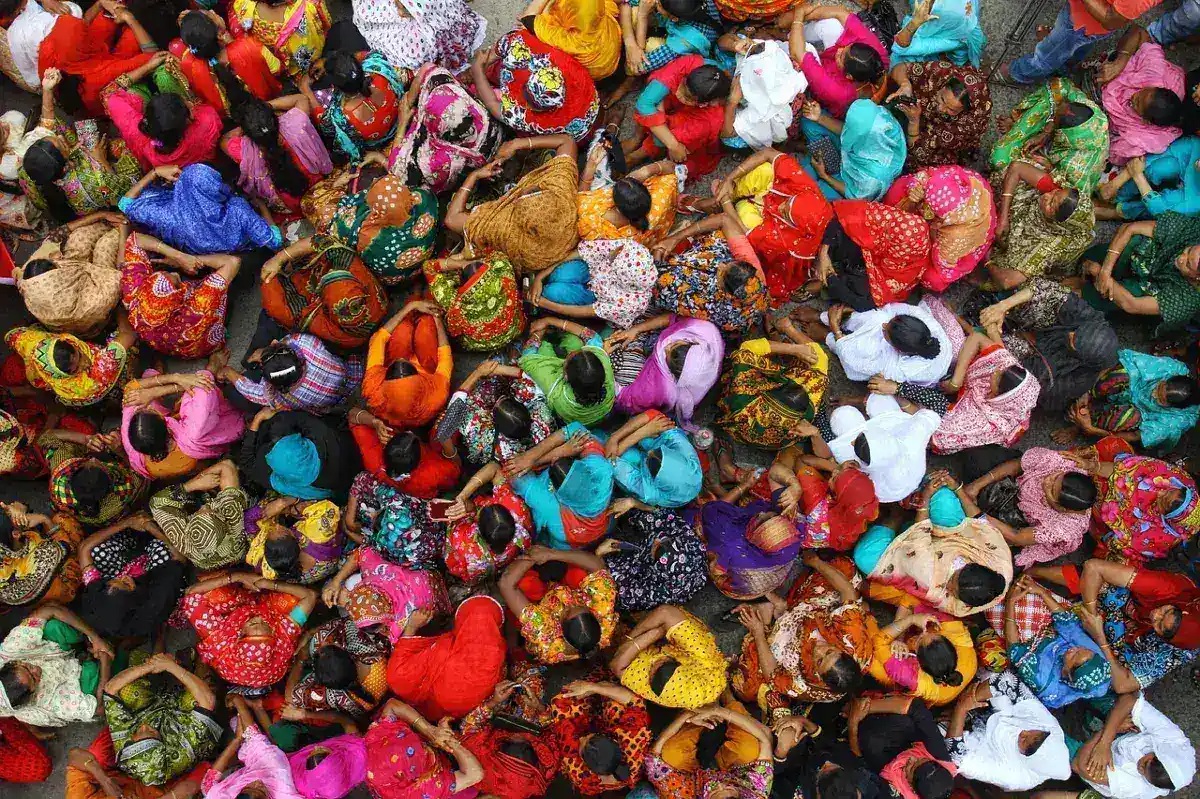
Thousands of demonstrators gathered in the historic streets of Venice this week to protest the inclusion of the Israeli national pavilion at the 60th Venice Biennale, an international art exhibition that opened its doors to the public on Saturday. The protest, organized by the Art Not Genocide Alliance (ANGA), highlights a deepening global divide over the ongoing conflict in Gaza and the role of cultural institutions in international diplomacy.
The Venice Biennale, often referred to as the ‘Olympics of the Art World,’ has historically served as a platform for nations to showcase cultural diplomacy. This year, however, the event has become a flashpoint for geopolitical tension, with critics arguing that Israel’s presence legitimizes the state’s military actions in Gaza. Organizers of the protest movement, which includes thousands of artists and cultural workers, have petitioned for the exclusion of the Israeli pavilion, echoing calls made during the 1970s and 80s regarding South Africa’s participation during the apartheid era.
The Biennale board, led by President Pietrangelo Buttafuoco, has maintained a stance of neutrality. In a formal statement released prior to the opening, the organization emphasized that the Biennale is a space for dialogue and that it does not serve as a venue for state-sanctioned censorship. The Israeli pavilion, titled ‘Motherhood’ by artist Ruth Patir, explores themes of fertility and trauma, yet it remains under heavy security as officials fear further disruptions.
The debate has divided the international arts community. While some artists have withdrawn their work in solidarity with the Palestinian cause, others argue that cultural boycotts stifle individual expression and close necessary channels for discourse. The Art Not Genocide Alliance insists that the artistic community has a moral imperative to speak out, citing the humanitarian toll in Gaza as a bridge too far for business as usual in the international art circuit.
Data from recent industry surveys suggest that public sentiment regarding cultural events is increasingly tied to political accountability. A report by the Cultural Policy Center indicates that nearly 60% of younger arts patrons now factor the political affiliations and funding sources of institutions into their attendance decisions. This shift indicates a move toward ‘activist-curation,’ where audiences demand that exhibitions align with their ethical values.
For the art industry, this tension suggests a volatile future for global exhibitions. Major biennials and museums are now forced to navigate a landscape where neutrality is increasingly viewed as complicity. Institutions may soon face more rigorous vetting processes for national representation, potentially leading to a restructuring of how international pavilions are selected and approved.
Looking ahead, industry analysts suggest that the Venice Biennale will likely face renewed pressure to establish clear guidelines on what constitutes grounds for exclusion. Observers should monitor whether upcoming international cultural events introduce new protocols for handling political protests, or if the current environment of public advocacy will lead to the permanent sidelining of controversial national pavilions in future editions.