




Tragedy in the Wilderness
A search and rescue operation in Glacier National Park concluded in tragedy this week after park rangers discovered the body of a missing hiker, with initial evidence pointing to a fatal encounter with a grizzly bear. The National Park Service confirmed that the individual’s injuries were consistent with those sustained during a wildlife attack, prompting an immediate investigation into the circumstances surrounding the incident.
Context of Human-Wildlife Conflict
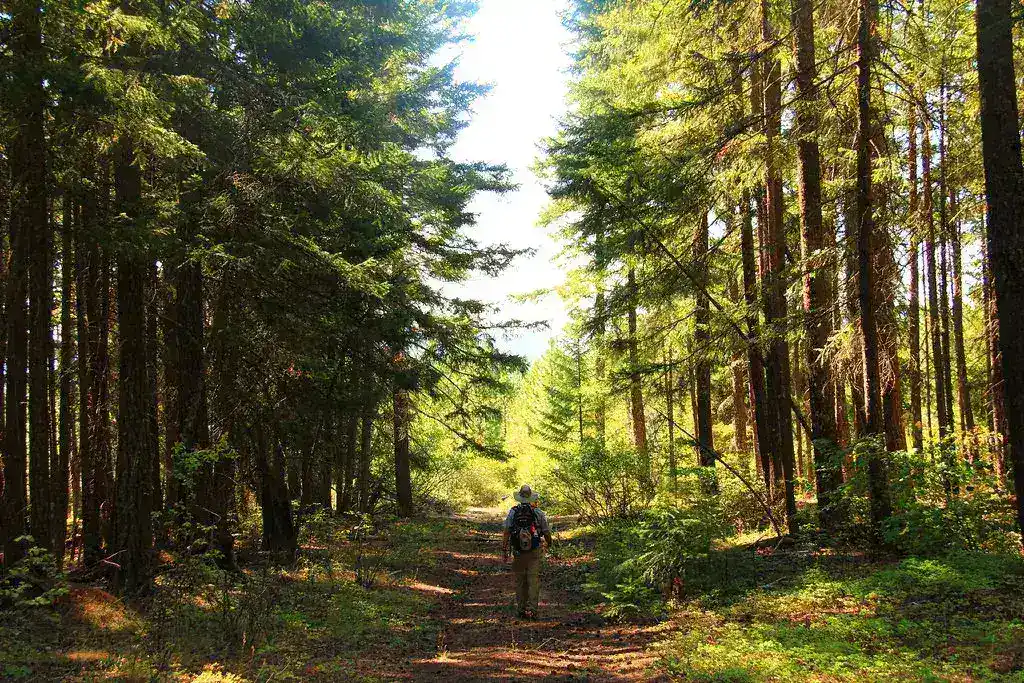
Glacier National Park, located in the Rocky Mountains of Montana, is renowned for its dense population of grizzly and black bears. As a primary habitat for these apex predators, the park maintains strict safety guidelines for visitors, including mandatory bear spray possession and recommended noise-making practices. Despite these precautions, the convergence of increasing backcountry tourism and the natural behavior of wildlife creates an inherent risk for hikers navigating remote trails.
Investigative Details and Park Response
Park officials have closed several trails in the immediate vicinity of the recovery site to allow for a thorough investigation by wildlife biologists and law enforcement. Investigators are currently analyzing environmental factors and potential bear activity in the area to determine if the animal involved remains a threat to public safety. According to the Interagency Grizzly Bear Committee, human-bear conflicts are often situational, triggered by surprise encounters or the protection of cubs and food sources.
Industry Perspectives and Safety Data
Wildlife experts emphasize that while fatal encounters are statistically rare, they are rising as more recreationalists venture into wilderness areas. Data from the National Park Service indicates that while millions of people visit Glacier annually, the vast majority of bear encounters end without injury. However, safety advocates continue to push for increased education regarding the proper use of bear deterrents, which have been proven to reduce the severity of attacks in over 90% of documented cases.
Implications for Future Wilderness Access
This incident serves as a stark reminder of the unpredictable nature of wilderness environments, potentially leading to more stringent permit requirements or seasonal trail closures in high-risk zones. The park is expected to release further findings once the investigation concludes, which may influence future management strategies for wildlife corridors. Hikers planning trips to the region should monitor the official park website for real-time updates on trail status and bear activity alerts, as park authorities prepare to implement heightened safety protocols for the remainder of the season.