Global Perspectives: Declassified Files, Historic Commemorations, and Civil Unrest

Global Perspectives: Declassified Files, Historic Commemorations, and Civil Unrest Photo by Anonymous9000 on Openverse

This week, a convergence of historical revelations, solemn national commemorations, and modern civil unrest has captured global attention across three distinct fronts. From the official declassification of long-held UFO records in the United States to the poignant ceremonies marking World War II victory anniversaries in Europe and violent political protests unfolding in Albania, the international news cycle remains dominated by the intersection of the past and the volatile present.

The Transparency Movement: Declassified UFO Records

The United States government has officially released a new batch of declassified files regarding Unidentified Anomalous Phenomena (UAP). This move, driven by recent legislative pressure and increased public demand for transparency, aims to provide researchers and the public with previously redacted accounts of aerial encounters.

For decades, these documents remained locked behind national security protocols, fueling speculation and conspiracy theories. The release seeks to institutionalize the study of these phenomena within formal scientific frameworks, shifting the discourse from fringe conjecture to data-driven inquiry.

Reflecting on History: WWII Victory Commemorations

Simultaneously, nations across Europe are observing significant anniversaries marking the end of World War II. These commemorations serve as a solemn reminder of the immense human cost of the conflict and the fragile nature of post-war stability.

Ceremonies in various capitals emphasize the importance of collective memory in maintaining peace. Military parades, wreath-laying events, and archival exhibitions highlight the valor of those who served while underscoring the geopolitical lessons learned from the mid-20th century.

Civil Unrest in Albania

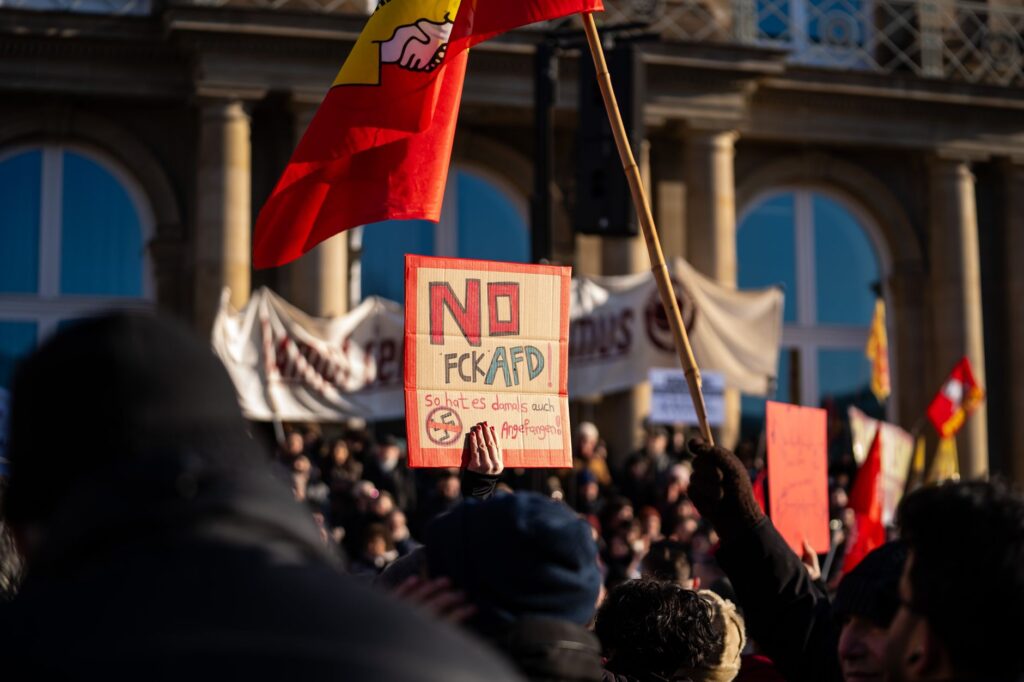
In a stark contrast to these reflective moments, Albania has experienced a surge of civil unrest this week. Protesters gathered in Tirana to voice grievances against government policies, leading to clashes with law enforcement and significant disruption in the capital.

The demonstrations stem from deep-seated political divisions and economic concerns. While authorities have called for calm, the situation remains fluid, as opposition groups continue to demand systemic reforms and greater governmental accountability.

The Interplay of Information and Stability

Experts suggest that these disparate events highlight a common theme: the struggle between institutional control and public demand for transparency. Whether it is the pursuit of truth regarding aerial phenomena or the push for democratic reform in Albania, the role of information flow is central to modern governance.

Data from recent political science indices indicate that countries with lower levels of institutional trust are significantly more prone to spontaneous public protests. Conversely, transparent handling of historical archives—such as the UAP files—is often viewed as a strategic attempt to restore public confidence in state institutions.

Implications for Global Stability

For the average citizen, these developments signal a period of continued volatility where historical narratives and current political grievances collide. Analysts are closely watching how governments manage the dual pressure of addressing past secrets and present-day demands for reform.

Looking ahead, the focus will shift to how the declassified UAP data impacts future aerospace defense strategies. In Albania, the international community will monitor whether the current unrest leads to a sustained period of political instability or if a path toward dialogue emerges. The coming weeks will determine if these isolated events coalesce into broader trends of systemic institutional change.

Leave a Reply

Your email address will not be published. Required fields are marked *