





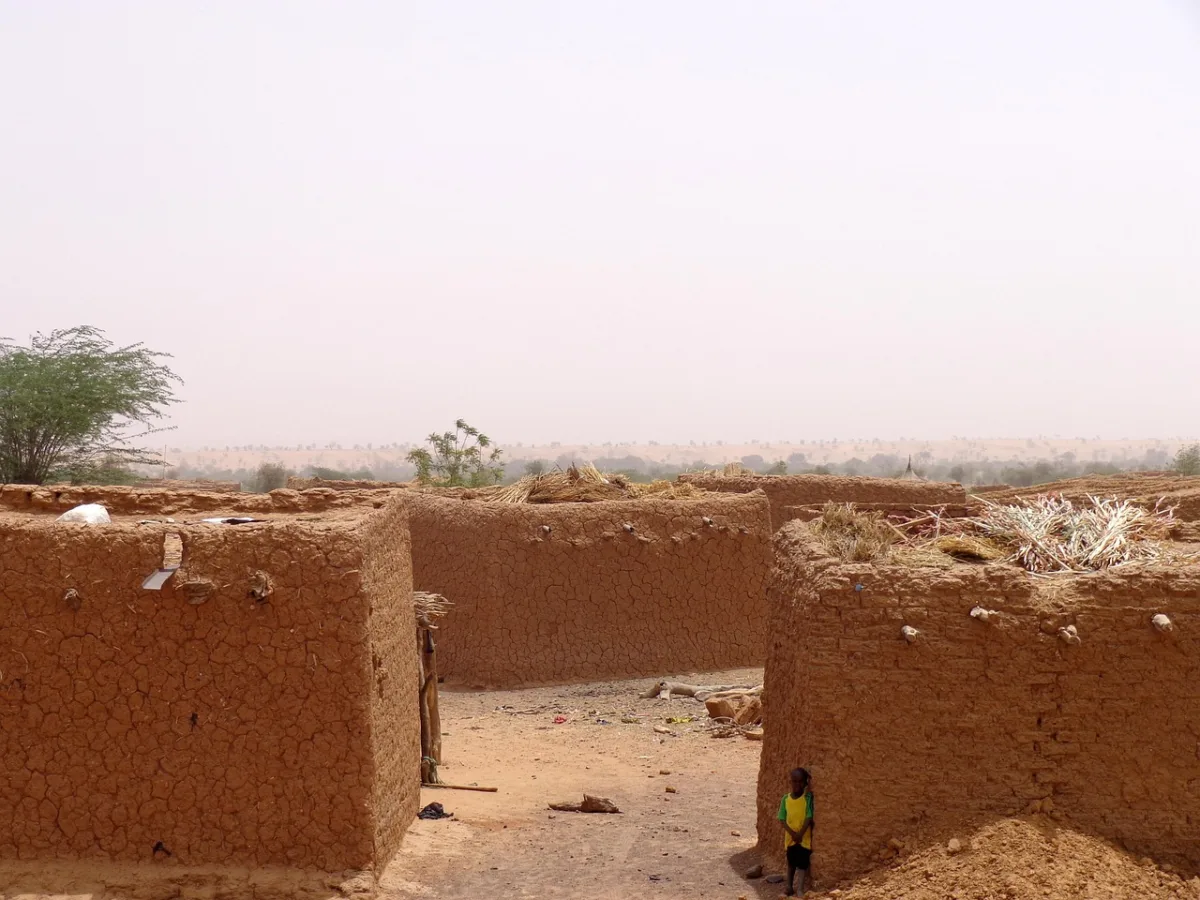
Armed fighters linked to al-Qaeda launched coordinated assaults on two villages in Mali’s Mopti region this past Wednesday, resulting in the deaths of at least 30 civilians. Local officials and security sources confirmed the attacks, which represent a significant escalation of violence in a volatile area that has long served as a flashpoint for regional insurgency.
A History of Instability
The Mopti region has become a central theater for the conflict involving groups affiliated with Al-Qaeda and the Islamic State. Since the 2012 uprising, Mali has struggled with a persistent security crisis that has seen the breakdown of central government control across vast swathes of its northern and central territories.
The conflict has been characterized by shifting alliances and the targeting of communities perceived as being aligned with rival factions or the state. The United Nations Multidimensional Integrated Stabilization Mission in Mali (MINUSMA) has previously documented hundreds of such incidents, noting that civilian populations are frequently caught in the crossfire of intercommunal tensions exacerbated by extremist presence.
The Anatomy of the Attack
Details regarding the specific tactics used in Wednesday’s raid suggest a high level of coordination among the assailants. Witnesses reported that fighters arrived on motorcycles, a signature method for insurgent groups operating in the Sahel, allowing for rapid movement across the arid, difficult terrain.
The attackers reportedly targeted the villages simultaneously, aiming to overwhelm local defenses before fleeing. Analysts suggest these tactics are designed to sow fear and displace rural populations, thereby weakening the social fabric of the region.
Expert Perspectives and Data
Security analysts monitoring the Sahel region point to a broader trend of deteriorating stability despite the presence of international security initiatives. The Armed Conflict Location & Event Data Project (ACLED) has tracked a steady increase in civilian fatalities within the Mopti region over the past 18 months, highlighting the limitations of current counter-insurgency strategies.
Regional security experts argue that the violence is fueled by a vacuum of governance, where extremist groups provide a violent alternative to state authority. The inability of national forces to secure rural markets and agricultural hubs has left many communities vulnerable to extortion and summary execution.
Looking Ahead
The immediate concern for humanitarian organizations is the potential for mass displacement as survivors flee toward regional administrative centers. Observers are watching to see if the Malian government will announce a formal military response or attempt to engage in local mediation efforts to prevent retaliatory violence.
In the coming weeks, the international community will likely evaluate the efficacy of current regional security partnerships. Whether this attack serves as a catalyst for a change in military strategy or triggers further political instability remains the critical question for the Sahel’s security outlook.