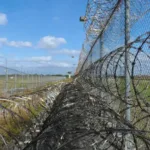






Palestinian detainees, alongside several prominent human rights organizations, have released a series of harrowing testimonies alleging systematic torture and sexual violence occurring within Israeli detention facilities. These reports, emerging throughout 2024, describe a pattern of abuse that international observers argue may constitute war crimes under international humanitarian law.
Context and Historical Backdrop
Since the escalation of conflict following the events of October 7, 2023, the number of Palestinians held in Israeli military custody has surged significantly. The Israeli Prison Service (IPS) maintains authority over thousands of individuals, many held under administrative detention—a policy that allows for imprisonment without charge or trial. Human rights monitors have long criticized these facilities, but the recent influx of detainees has exacerbated concerns regarding overcrowding and the breakdown of oversight mechanisms.
Detailed Allegations of Abuse
Testimonies gathered by groups such as B’Tselem and Physicians for Human Rights Israel detail a range of physical and psychological mistreatment. Survivors describe being subjected to prolonged beatings, sensory deprivation, and forced stress positions. Most disturbing are the accounts of sexual violence, including reports of rape and intrusive, humiliating physical inspections conducted by guards.
Former detainees interviewed by international media outlets describe an environment where violence is reportedly used as a tool for intimidation and information gathering. These reports indicate that the abuse is not isolated to a single facility but appears to be a systemic issue occurring across multiple detention centers, including Sde Teiman and Megiddo Prison.
Expert Perspectives and International Scrutiny
The United Nations Office of the High Commissioner for Human Rights (OHCHR) has expressed grave concern regarding these allegations. UN experts have noted that the reports align with documented patterns of mistreatment that violate the Geneva Conventions, which mandate the humane treatment of all detainees.
Conversely, Israeli officials have consistently denied policies of systemic abuse. The Israel Defense Forces (IDF) and the IPS maintain that all detention operations adhere to legal standards and that any individual instances of misconduct are investigated internally. However, critics argue that these internal investigations lack the transparency and independence required to hold perpetrators accountable.
Broader Implications for the Region
The persistence of these reports threatens to further erode international confidence in the judicial and military detention processes currently employed in the conflict. For the international community, the situation poses a significant challenge to diplomatic efforts focused on human rights advocacy and the rule of law. If these allegations are substantiated by independent international investigations, it could lead to increased calls for sanctions or legal intervention at the International Criminal Court.
Moving forward, observers are looking toward the potential for an independent, third-party inspection of these detention sites. The willingness of international bodies to push for unfettered access will be the primary indicator of whether the cycle of alleged abuse can be broken. Continued pressure from global human rights organizations remains the main mechanism for ensuring these accounts reach the public record, forcing a confrontation between state security policies and international legal obligations.