



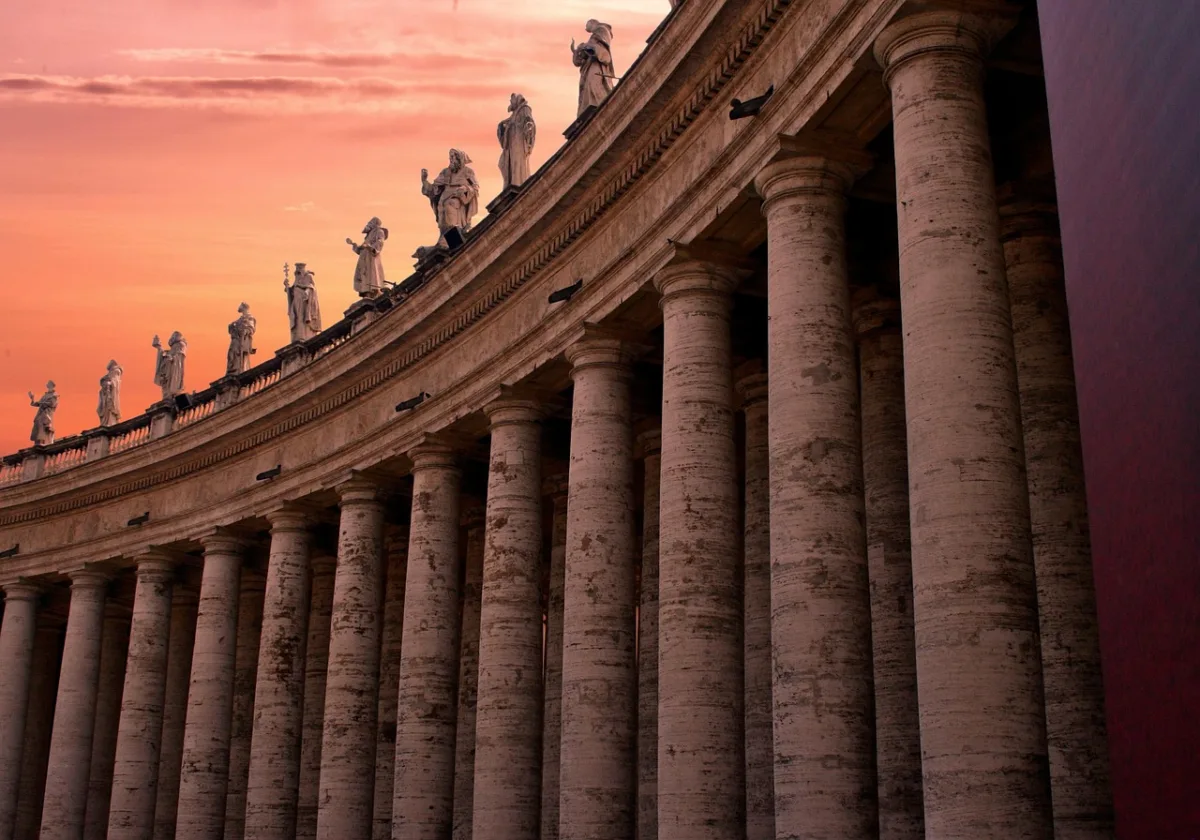
Senator Marco Rubio arrived at the Vatican on Tuesday for a high-stakes meeting with Pope Leo XIV, marking a critical attempt to de-escalate diplomatic friction between the Trump administration and the Holy See. The meeting, which took place in the Apostolic Palace, follows a series of public condemnations by President Donald Trump regarding the Pope’s vocal opposition to the ongoing military conflict in Iran.
The Roots of the Diplomatic Rift
Tensions between the White House and the Vatican reached a breaking point last week when President Trump publicly criticized the Pope’s stance on the Iranian theater. The President suggested that the Vatican’s calls for a ceasefire ignored the geopolitical realities of the region, framing the religious leader’s position as a political obstruction.
The Holy See has historically maintained a policy of neutrality in regional conflicts, often prioritizing humanitarian concerns over military objectives. This latest clash represents one of the most public disputes between an American president and a sitting pontiff in recent decades.
Navigating a Complex Geopolitical Landscape
Senator Rubio, a senior member of the Senate Foreign Relations Committee, sought to bridge the communication gap during his private audience with the Pope. Analysts suggest that the administration is eager to prevent the Vatican’s influence from mobilizing international opposition against the current military strategy in Iran.
The Vatican has utilized its extensive diplomatic network to advocate for diplomatic solutions rather than kinetic engagement. According to recent reports from the Vatican Secretariat of State, the Pope has held closed-door briefings with European leaders, urging a return to multilateral negotiations.
Expert Analysis and Institutional Stances
Political scientists note that this friction is unprecedented in its directness. “President Trump’s willingness to challenge the moral authority of the Pope is a significant departure from traditional political norms,” said Dr. Elena Rossi, a senior fellow at the Institute for Global Diplomacy.
Data from recent polling indicates that the American public is deeply divided on the issue. While a significant portion of the electorate supports the administration’s military posture, a substantial demographic of religious voters remains aligned with the Pope’s calls for peace. This creates a delicate political balancing act for lawmakers like Rubio.
Implications for Future Relations
The outcome of this meeting could determine the trajectory of U.S.-Vatican relations for the remainder of the administration. Observers are watching to see if the Holy See will issue a formal statement following the discussions or if the Senator will return to Washington with a compromise that satisfies both the White House’s security concerns and the Vatican’s humanitarian mandate.
Looking ahead, the international community will closely monitor whether the Vatican increases its pressure on European allies to distance themselves from U.S. policy in Iran. Any shift in the diplomatic alignment of the Holy See could complicate the logistics of the conflict and impact the global perception of the administration’s foreign policy goals.