




A Surprising Encounter with History
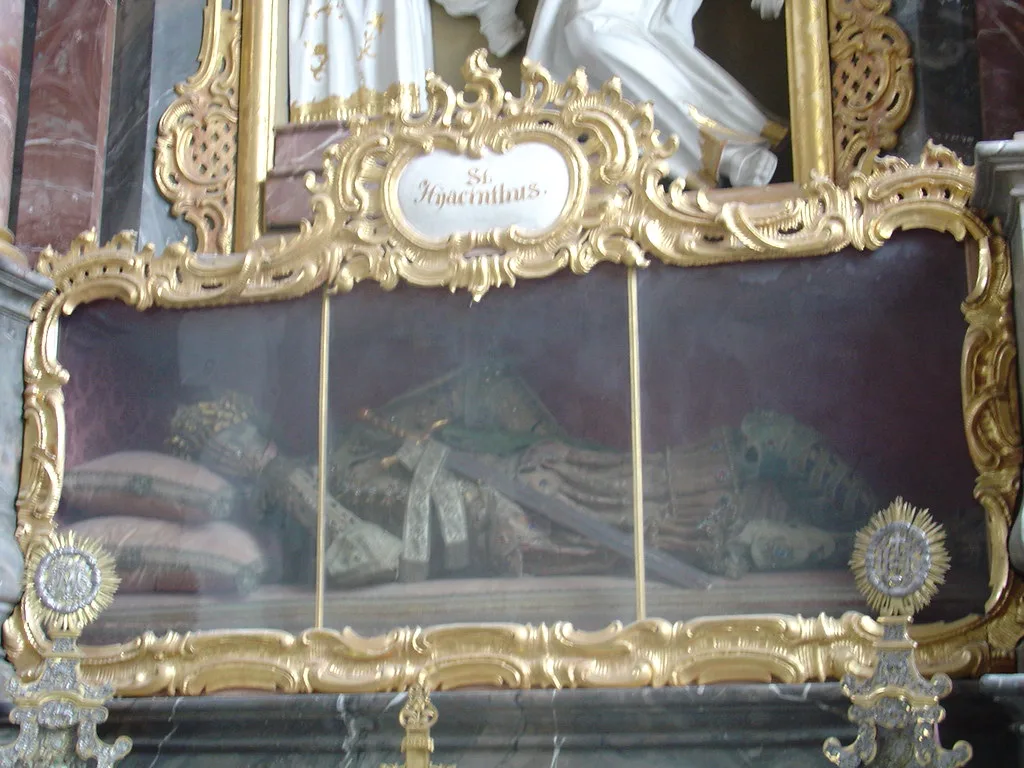
In the quiet, ornate interiors of Catholic churches across Bavaria, Germany, visitors are increasingly encountering a startling sight: the Catacomb Saints. These skeletal remains, unearthed from Roman catacombs in the 16th and 17th centuries, are meticulously adorned in gold, silk, and precious gemstones, serving as a complex intersection of theological reverence and baroque artistry.
The Origins of the Catacomb Saints
The practice began following the 1578 discovery of the Roman catacombs, which the Vatican identified as the burial sites of early Christian martyrs. To replace relics lost during the Protestant Reformation, the Catholic Church distributed these remains to parishes throughout German-speaking lands, particularly Bavaria, as a means to bolster faith and demonstrate the glory of the Church.
Upon arrival, local communities undertook the task of ‘dressing’ the skeletons. Artisans and nuns spent months or even years applying intricate gold wire, velvet, lace, and pearls to the bones, effectively transforming the remains into glittering effigies of holiness. This practice reached its peak during the 18th century, reflecting the lavish aesthetic of the Baroque period.
Artistry Meets Morality
For modern observers, the juxtaposition of death and opulent decoration can be jarring. However, historians note that the intent was never macabre; rather, it was a celebratory expression of the ‘triumph of the martyrs’ over death. The ornamentation was designed to make these figures appear as heavenly courtiers, bridging the gap between the earthly realm and the divine.
Dr. Paul Koudounaris, a renowned historian and author who has documented these relics extensively, notes that these figures represent a unique cultural artifact. ‘They were not just remains, but ambassadors of the divine,’ Koudounaris explains. ‘The labor invested in their decoration was an act of extreme devotion by the community members who cared for them.’
Preservation and Public Perception
While some of these skeletons were hidden away or destroyed during the Enlightenment—when the Church began to view the practice as superstitious or lacking in authentic documentation—many remain in active use. Today, several parishes have invested in climate-controlled glass cases to preserve the fragile textiles and bone structures from the damaging effects of humidity and light.
Public perception has shifted from viewing them as purely religious icons to recognizing them as significant historical and artistic objects. Conservationists now work alongside theologians to ensure that the delicate lace and centuries-old jewelry remain intact, balancing the need for scientific preservation with the sanctity of the church environment.
The Future of the Relics
As interest in European history and unique cultural heritage grows, these catacomb saints are attracting a new wave of international tourism. Observers should look for increased efforts in digital archiving and restoration, as parishes seek to document the specific histories of these figures before the materials succumb to natural decay. The ongoing dialogue between secular art historians and religious authorities will likely dictate how these enigmatic figures are presented to the public in the coming decades, ensuring their place as both objects of faith and windows into a bygone era of European craftsmanship.