





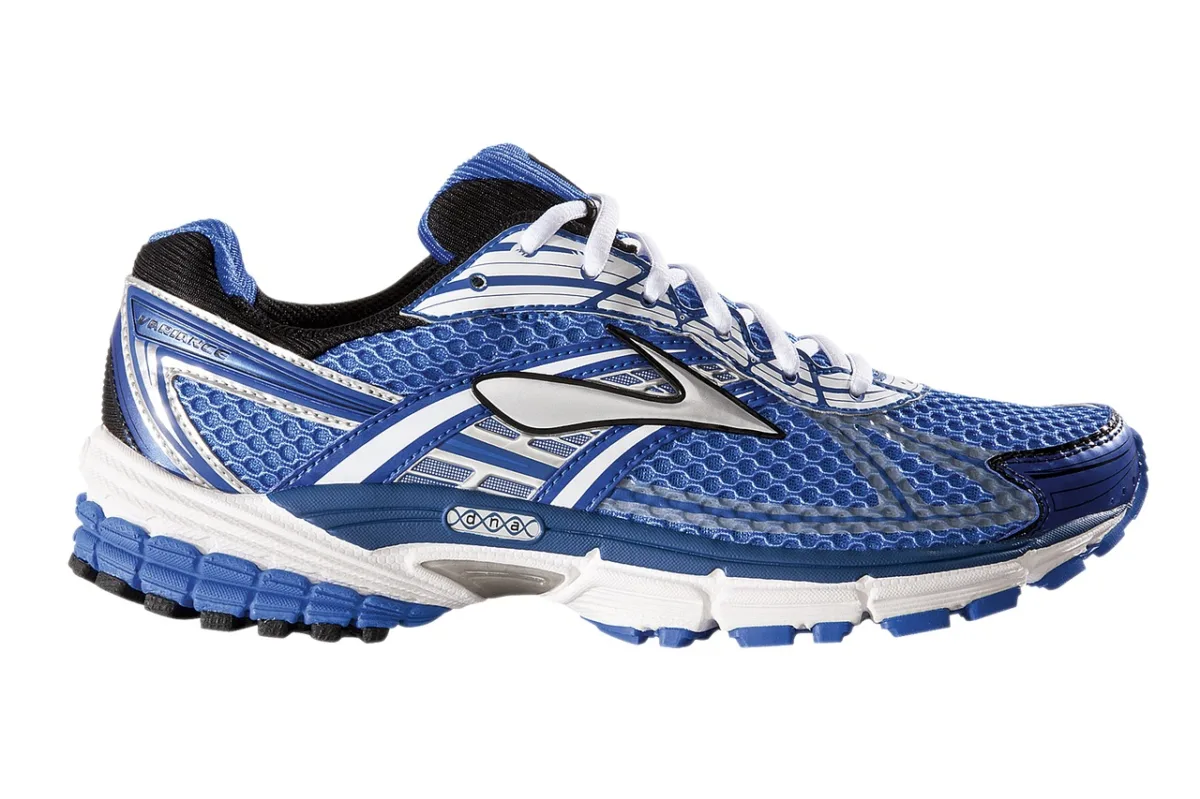
Under Armour has officially launched the Velociti Distance, a high-performance running shoe designed to bridge the gap between daily trainers and speed-oriented racers. Released this quarter to a global market, the shoe aims to provide runners with a versatile platform that maintains structural integrity across varying paces and intensities, challenging the industry trend of overly specialized footwear.
The Evolution of Versatile Cushioning
For years, the running shoe market has bifurcated into two distinct categories: soft, maximalist cruisers for recovery runs and rigid, carbon-plated racers for race days. Under Armour’s latest development seeks to disrupt this dichotomy by integrating high-rebound foams with a geometry that adapts to the wearer’s gait.
The Velociti Distance utilizes a proprietary midsole compound that delivers significant energy return without the instability often associated with ultra-soft foams. By focusing on a balanced stack height, the brand addresses the common runner complaint that plush shoes often feel sluggish during tempo efforts.
Technical Performance and Design
The shoe’s construction prioritizes a lightweight upper designed for breathability during long-duration efforts, paired with a outsole pattern engineered for traction on multiple surfaces. This design choice reflects a broader industry shift toward creating “workhorse” shoes that can handle a 20-mile long run just as effectively as a high-intensity interval session.
Industry analysts note that consumer demand is moving away from a “rotation” of four or five specialized shoes toward a more streamlined approach. Data from recent sports retail surveys suggest that 62% of recreational runners now prefer a single “do-it-all” shoe for their weekly mileage to simplify training logistics and reduce costs.
Expert Perspectives
Biomechanical experts suggest that the Velociti Distance succeeds because it does not rely on aggressive rocker geometries that can feel unnatural for some runners. Instead, the shoe promotes a more traditional transition from heel to toe, allowing the runner’s own muscles to engage more actively during the gait cycle.
“What sets this shoe apart is its consistency,” says performance analyst Marcus Thorne. “It avoids the ‘mushy’ sensation found in many max-cushion models, providing a firm enough platform to execute track work while remaining forgiving enough for high-mileage base training.”
Industry Implications
For the broader athletic footwear industry, the success of the Velociti Distance signals a move toward efficiency. Brands that can deliver a shoe capable of performing at multiple intensities are likely to capture a larger share of the performance-minded consumer base.
As runners continue to prioritize durability and value, the focus of research and development will likely shift toward advanced polymers that resist compression set. This ensures that the shoe’s performance characteristics remain constant throughout its lifespan, rather than degrading after the first 100 miles.
Looking ahead, observers should watch for how competitors respond to this shift in design philosophy. If the market continues to favor versatile performance, expect to see a reduction in hyper-niche product lines and a renewed emphasis on multi-purpose engineering in upcoming seasonal releases.