




Tragedy Strikes North Maluku
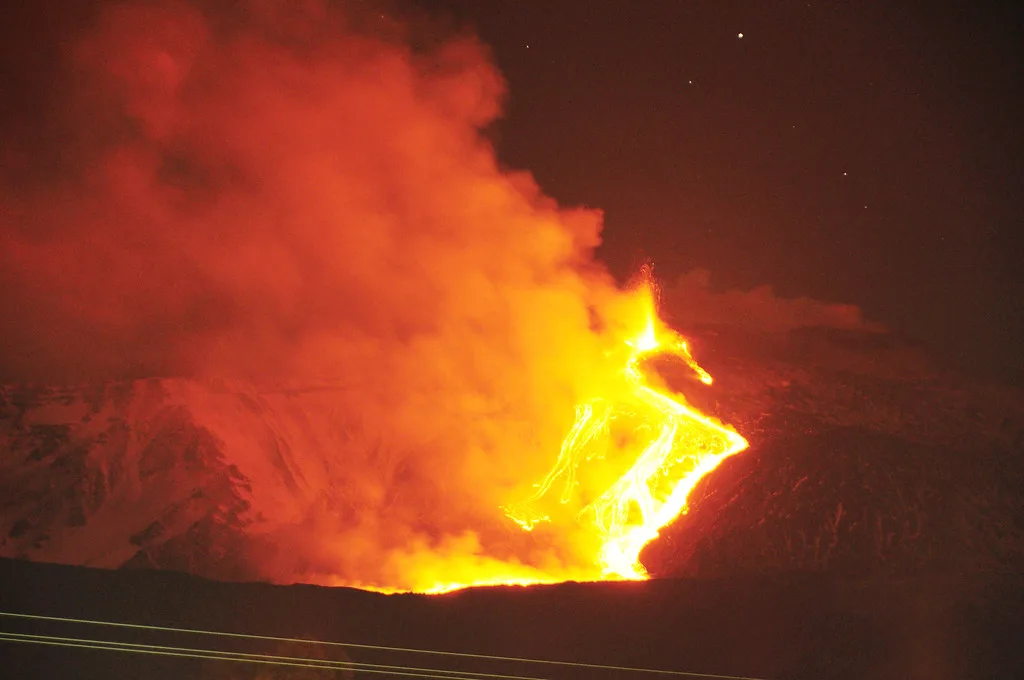
Indonesian police confirmed on Tuesday that at least three hikers died following a sudden volcanic eruption at Mount Dukono, located in the North Maluku province. The victims were discovered in an off-limits zone near the crater, where authorities had previously issued strict warnings against human activity due to the volcano’s persistent state of unrest.
Context of Volcanic Activity
Mount Dukono is one of Indonesia’s most active volcanoes, having been in a near-constant state of eruption since 1933. The Center for Volcanology and Geological Hazard Mitigation (PVMBG) maintains a permanent monitoring station for the site, frequently adjusting status levels based on seismic activity and ash emissions.
The area surrounding the crater is designated as a restricted danger zone. Despite these warnings, hikers often attempt to traverse the rugged terrain for scenic views, leading to significant safety challenges for local authorities tasked with enforcing exclusion zones.
Details of the Incident
Local law enforcement agencies launched a search and recovery operation immediately after the eruption was reported. Officials noted that the hikers were caught in an unexpected surge of volcanic material while navigating the prohibited slopes.
Search teams faced difficult conditions, including lingering ash clouds and unstable terrain, which complicated the retrieval of the bodies. The police have since cordoned off the area to prevent further unauthorized access and to conduct a forensic investigation into the circumstances surrounding the hikers’ entry into the zone.
Expert Perspectives on Volcanic Risk
Volcanologists emphasize that Mount Dukono poses a unique threat because of its unpredictable, small-scale explosive events. According to data from the Global Volcanism Program, Dukono frequently ejects ash plumes that can reach several kilometers into the atmosphere, creating immediate hazards for anyone in the vicinity.
“The danger in these regions is not just the large-scale eruptions, but the frequent, sudden emissions that occur without significant warning,” said a representative from the regional disaster management agency. Experts stress that adherence to exclusion zones is the only effective way to mitigate the risk of fatality in such high-activity areas.
Broader Implications for Tourism
This incident has reignited the debate regarding the regulation of adventure tourism in Indonesia’s volcanic regions. The Indonesian government is now under pressure to implement stricter enforcement and potentially higher penalties for those who bypass safety barriers at active sites.
For the tourism industry, the tragedy serves as a stark reminder of the risks associated with “off-the-beaten-path” excursions. Travel operators are being urged to prioritize safety protocols and ensure that clients are fully briefed on the dangers of volcanic environments.
Looking ahead, authorities are expected to install additional signage and increase patrols around the perimeter of Mount Dukono. Observers will be watching to see if the government introduces new legislation to monitor social media influence on tourism, as many hikers are drawn to these dangerous sites by images shared online, often ignoring official warnings in the pursuit of unique photography.