




Strengthening Maritime Security in the Gulf
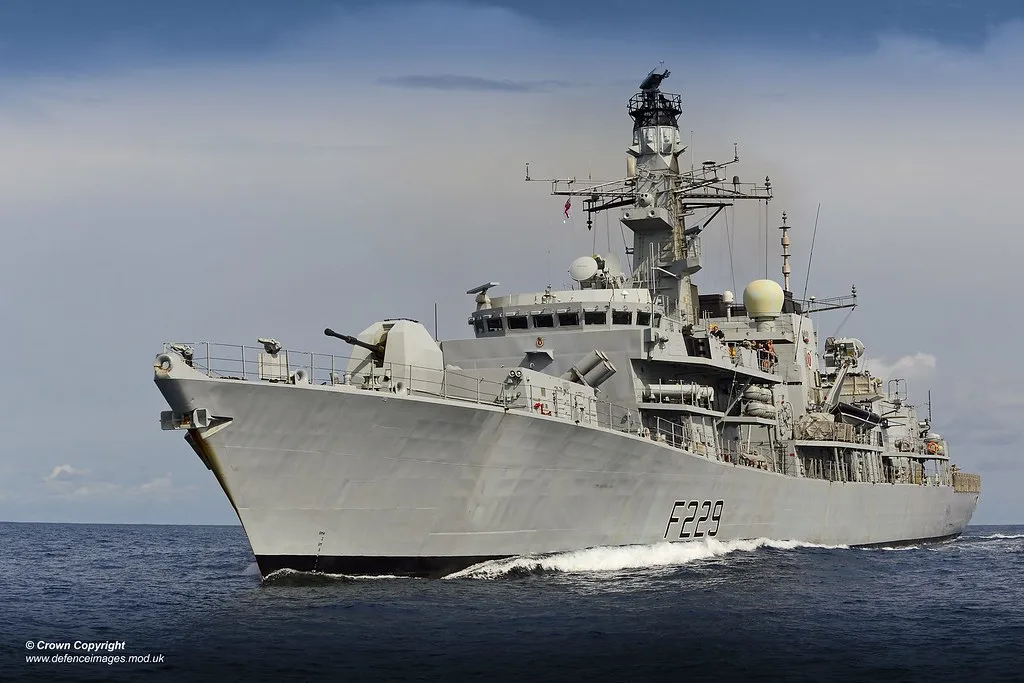
The United Kingdom’s Ministry of Defence announced this week the deployment of the Type 45 destroyer HMS Diamond to the Middle East, signaling a strategic effort to bolster maritime security and protect international shipping lanes. The vessel departed for the Persian Gulf amid growing concerns regarding regional instability, positioning itself to potentially join international coalitions aimed at securing the Strait of Hormuz, a critical maritime chokepoint through which approximately 20% of the world’s global oil consumption passes.
The Strategic Significance of the Strait of Hormuz
The Strait of Hormuz represents one of the most vital arteries of global commerce, connecting the oil-rich Gulf states to the Indian Ocean. Historically, the area has been a flashpoint for geopolitical friction, with various international powers maintaining a constant naval presence to deter interference with commercial navigation. The deployment follows a period of heightened activity in the region, where previous incidents involving the seizure of tankers have necessitated a robust, multinational response to ensure the free flow of energy and goods.
Operational Readiness and Deterrence
HMS Diamond is equipped with sophisticated Sea Viper missile systems and advanced radar capabilities, making it a formidable asset for air defense and anti-surface warfare. By stationing such a high-capability destroyer in the region, the British government aims to project stability and provide a credible deterrent against state and non-state actors who might seek to disrupt maritime traffic. The Ministry of Defence confirmed that the vessel will work alongside existing international task forces, including those led by the United States, to conduct surveillance and provide security escorts for vulnerable vessels.
Expert Perspectives on Regional Stability
Defense analysts suggest that the deployment is a calculated move to reinforce the UK’s commitment to the ‘freedom of navigation’ principle. Dr. Elena Rossi, a maritime security specialist, notes that ‘the presence of a Type 45 destroyer sends a clear message that the UK remains invested in the security of global trade routes, regardless of the competing demands on its domestic naval resources.’ Data from the International Maritime Bureau indicates that while piracy levels have fluctuated, the threat of state-sponsored harassment remains a top-tier concern for shipping companies operating in the Gulf.
Long-term Implications for Global Shipping
For the shipping industry, the arrival of HMS Diamond provides a measure of insurance in an increasingly volatile environment. Insurance premiums for vessels traversing the Gulf have remained high due to perceived risks, and a stronger naval presence could potentially stabilize these costs if security incidents decrease. Industry leaders are closely monitoring the situation, as any escalation in the region could necessitate rerouting vessels or further increasing security protocols, both of which would significantly impact global supply chains.
Future Developments and Monitoring
Observers will be watching for potential adjustments to the mission scope of the task force as new intelligence emerges regarding the regional threat landscape. The efficacy of this deployment will likely be measured by the ability of the coalition to maintain open transit without triggering further escalation with regional powers. Future discussions regarding the longevity of this mission are expected to take place within the framework of NATO and other multilateral security dialogues, as the UK balances its global commitments with domestic fiscal constraints.