





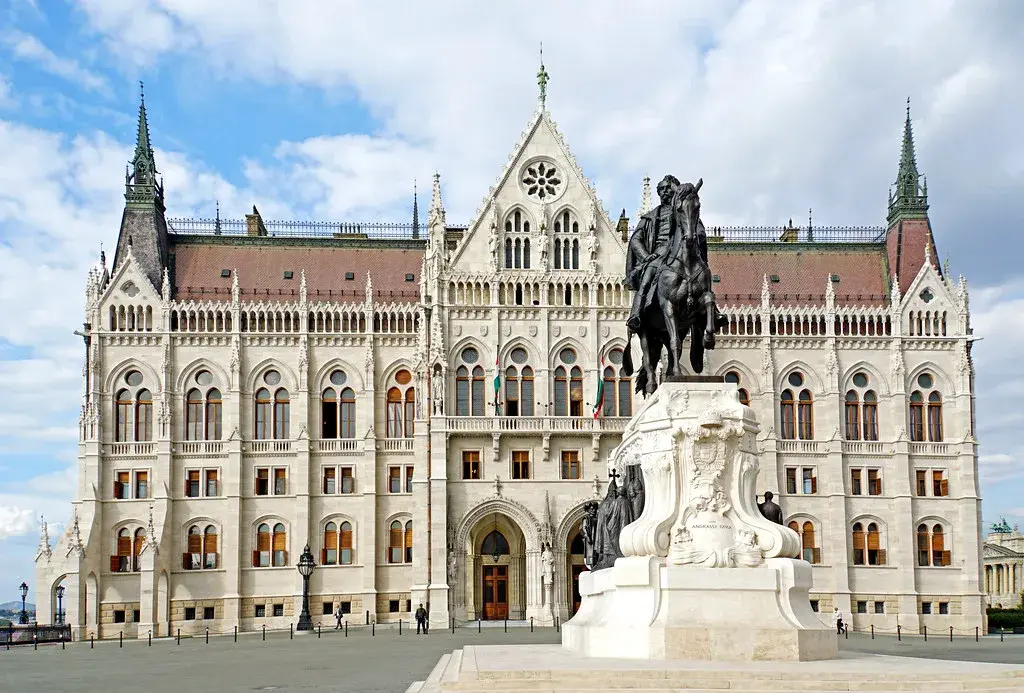
A New Era in Hungarian Governance
Péter Magyar was officially sworn in as the Prime Minister of Hungary today in Budapest, marking the formal conclusion of Viktor Orbán’s fourteen-year tenure. This historic transition follows a decisive victory by Magyar’s center-right Tisza party, which unseated the long-dominant Fidesz party during national elections held last month.
The Decline of the Fidesz Hegemony
Viktor Orbán’s rule, characterized by a nationalist-populist agenda and frequent friction with European Union institutions, had defined Hungarian politics since 2010. During his administration, Orbán consolidated control over media outlets and the judiciary, moves that frequently drew criticism from Brussels regarding the erosion of democratic checks and balances.
The rise of the Tisza party represents a significant departure from this trajectory. Magyar, a former government insider turned whistleblower, galvanized voters by focusing on systemic corruption and the need for administrative transparency. His campaign successfully tapped into widespread economic frustration and a desire for renewed diplomatic alignment with Western partners.
Shifting Political Currents
The election results shocked political analysts, as Fidesz had long maintained a firm grip on the electorate through a combination of social conservative policies and state-controlled media narratives. However, exit polling data suggests that a surge in youth voter turnout and significant attrition in rural strongholds proved insurmountable for the incumbent government.
Political strategist Dr. Elena Kovács notes that the shift reflects a broader European trend of voters seeking alternatives to established populist frameworks. “The electorate in Hungary demonstrated a clear appetite for institutional reform,” Kovács stated. “Magyar’s challenge now lies in dismantling entrenched systems without triggering immediate legislative paralysis.”
Economic and Diplomatic Implications
For the average Hungarian citizen, the change in leadership brings immediate questions regarding the cost of living and the status of frozen EU funding. The European Commission had previously withheld billions in recovery funds citing rule-of-law concerns under the previous administration.
International markets have reacted with cautious optimism to the transition. Investors are monitoring whether Magyar will move quickly to implement judicial reforms that would unlock these EU financial packages. Furthermore, diplomatic observers are watching for signs of a pivot in Hungary’s foreign policy, particularly regarding its stance on regional security and the ongoing conflict in Ukraine.
The Road Ahead
The immediate focus for the new administration will be the formation of a cabinet and the drafting of an emergency budget to address rising inflation. Parliamentary observers anticipate that Fidesz, now in the role of the primary opposition, will utilize its remaining influence in municipal governments and bureaucratic positions to challenge the new government’s legislative agenda.
As Magyar settles into the office of the Prime Minister, the primary metric for his success will be his ability to maintain the momentum of his grassroots movement while governing a deeply polarized nation. Observers should look toward the upcoming legislative sessions for initial indications of whether the Tisza party can secure the parliamentary consensus required to pass its promised anti-corruption reforms.