





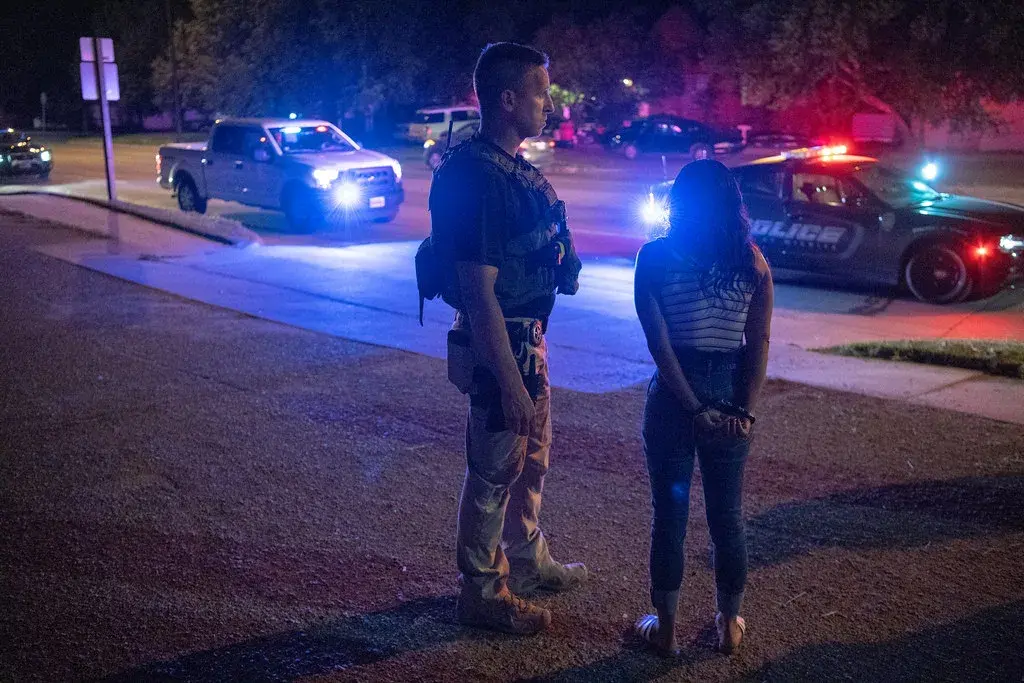
Law enforcement officials in a coordinated operation seized $400,000 in cash from a vehicle during a routine traffic stop this week, citing ongoing investigations into money laundering and tax evasion. The seizure occurred on a major interstate, where officers identified suspicious patterns leading to the discovery of the undeclared currency hidden within the car’s interior.
The Context of Asset Forfeiture
Asset forfeiture laws allow police to seize property, including cash, if they have probable cause to believe it is connected to criminal activity. These statutes are frequently utilized in cases involving drug trafficking, organized crime, and sophisticated tax fraud schemes.
Authorities often track large movements of physical currency as a primary indicator of illicit financial activity. When individuals travel with significant sums of money, they are legally required to declare the funds if they exceed specific thresholds, particularly when crossing state or national borders.
Investigations into Financial Crime
The investigation is currently focused on the origin of the funds and the intent behind their transport. Financial crimes units are analyzing the vehicle’s occupants’ tax filings to determine if the seized cash represents unreported income or proceeds from illegal enterprises.
Data from the Treasury Department suggests that the movement of cash remains a preferred method for illicit actors looking to bypass the digital oversight of the banking system. By keeping transactions off the books, suspects attempt to evade both tax obligations and law enforcement scrutiny.
Expert Perspectives on Money Laundering
Financial security experts note that the seizure of physical cash is often just the tip of the iceberg in larger money laundering operations. “Large-scale cash seizures are significant because they disrupt the liquidity of criminal organizations,” says a former federal financial crimes investigator.
Industry reports indicate that authorities are increasingly using advanced data analytics to identify vehicles that follow patterns associated with money laundering. These algorithms track GPS data and travel frequencies to flag potential criminal activity before a physical stop is even initiated.
Future Implications for Financial Oversight
This incident underscores the intensifying focus on cash-based economies by federal and state agencies. As digital payment tracking becomes more robust, criminal entities are forced to rely on physical transport, making them more vulnerable to highway interdiction teams.
Industry observers expect to see an increase in inter-agency cooperation between highway patrol units and tax authorities. Stakeholders should monitor upcoming legislative debates regarding asset forfeiture reform, as civil liberties groups continue to challenge the procedures used during these types of stops. The outcome of the ongoing investigation into this specific seizure will likely set a precedent for how similar cases are handled in the coming fiscal year.