





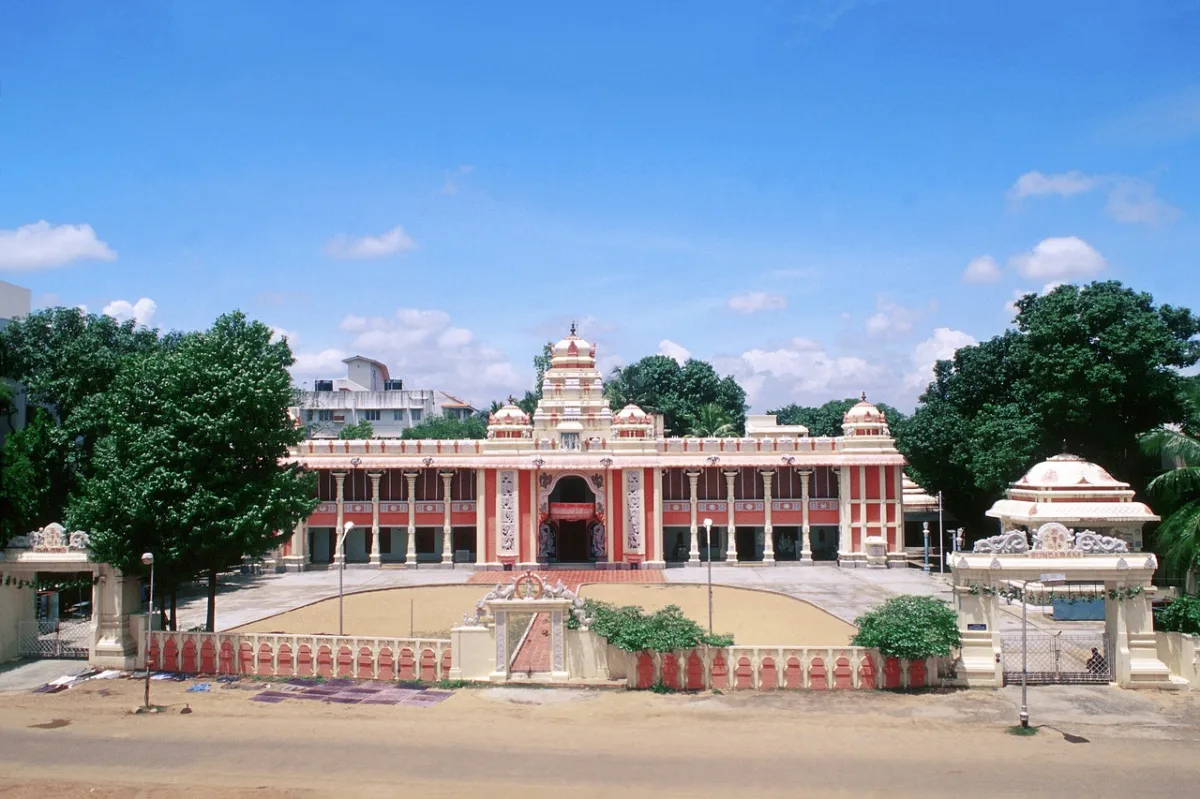
In a gesture of profound personal devotion, Tamil cinema superstar Thalapathy Vijay constructed a Shirdi Sai Baba temple specifically for his mother, Shoba Chandrasekhar, a detail that has resurfaced to resonate with fans during the Mother’s Day 2026 celebrations. Located in Chennai, the structure serves as both a private sanctuary for the Chandrasekhar family and a public space for devotees, underscoring the actor’s well-documented commitment to his family’s spiritual well-being.
The Intersection of Celebrity and Faith
For decades, the Indian film industry has seen stars express their devotion through philanthropy and religious infrastructure. Thalapathy Vijay, known for his reserved nature, chose to honor his mother’s long-standing faith in Shirdi Sai Baba by commissioning the temple.
The project highlights the deep-seated influence of family values on the lives of South India’s biggest icons. While Vijay maintains a distance from public displays of his private life, this architectural tribute offers a rare glimpse into the personal motivations driving the actor beyond his cinematic career.
Architectural Devotion and Public Impact
The temple is designed to accommodate both the quiet reflection required by Shoba Chandrasekhar and the bustling foot traffic of local worshippers. Its construction emphasizes a blend of traditional aesthetics and modern accessibility, reflecting the actor’s preference for understated yet meaningful public service.
Industry analysts note that such projects often bridge the gap between the screen persona of a star and their human reality. By focusing on his mother’s spiritual needs, Vijay has inadvertently solidified his image as a devoted son, a narrative that continues to endear him to his massive, multi-generational fan base.
Expert Perspectives on Star Philanthropy
Sociologists studying the Tamil film industry often point to the ‘cult of personality’ that surrounds actors like Vijay. Dr. Anjali Menon, a cultural analyst based in Chennai, notes that these gestures are significant because they humanize the ‘demigod’ status often afforded to stars.
‘When a celebrity invests in religious or community infrastructure for their family, it signals a grounding in traditional values,’ Dr. Menon explains. ‘It shifts the focus from the commercial success of the actor to the moral character of the individual.’
Data from local tourism and pilgrimage boards indicate that celebrity-linked sites often see a steady increase in visitors, effectively turning private tributes into communal landmarks. This trend reflects a broader societal interest in the private lives and moral compasses of public figures.
Future Implications for Celebrity Branding
As the lines between personal life and public branding continue to blur, the way stars choose to honor their families will likely remain a key component of their public legacy. Observers are now watching to see how this trend of ‘spiritual philanthropy’ evolves, especially as younger generations of actors seek to balance personal privacy with the demands of a social-media-driven public image.
Looking ahead, the longevity of such sites will serve as a testament to the influence of family-centric narratives in Indian culture. Fans and industry insiders alike will be monitoring whether future philanthropic endeavors by stars continue to favor religious infrastructure or shift toward more secular, social-impact projects.