
Introduction to the Upcoming Cinematic Venture
The entertainment industry is currently buzzing with excitement following the latest promotional reveal from a highly anticipated cinematic project. Renowned actor Mammootty has officially stepped into a compelling new character for the upcoming film titled Om. Directed and spearheaded by acclaimed star Dhanush, the project has quickly become one of the most talked-about releases in contemporary regional cinema.
Character Reveal and Visual Aesthetics
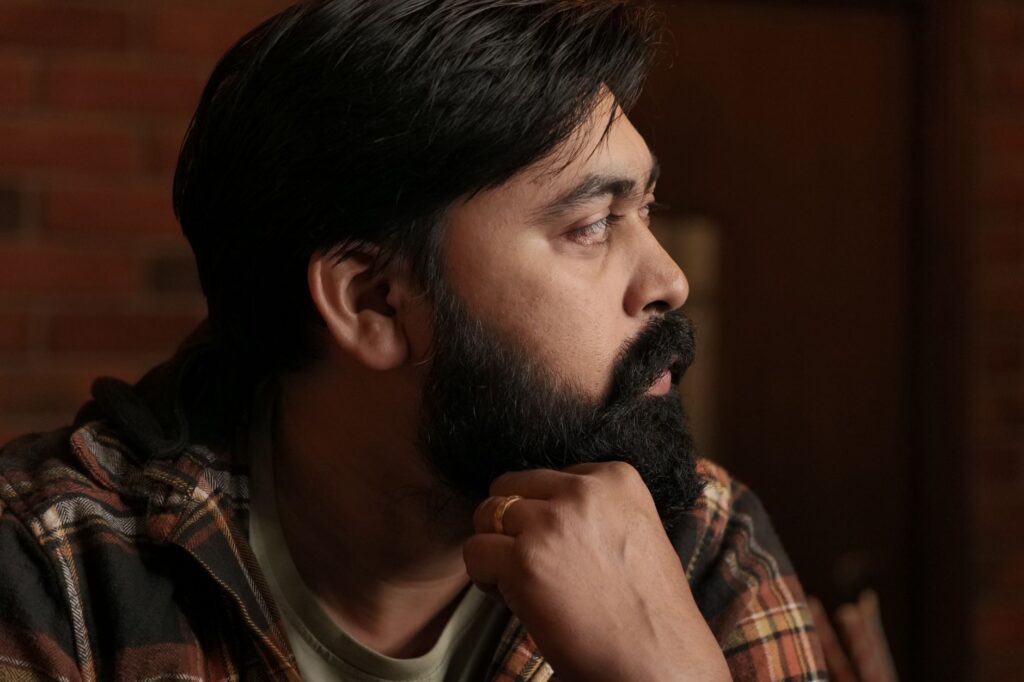
The recently shared promotional material offers a dramatic glimpse into Mammootty’s intriguing role. Described visually as striking and layered, the veteran actor adopts a distinctive grey persona that immediately commands attention. The aesthetic approach highlights a gritty, intense atmosphere, setting the tone for a complex narrative. Fans and film enthusiasts have taken to social media to dissect every detail of the teaser, praising the bold visual choices made by the creative team.
Collaboration Between Industry Heavyweights
This project marks a monumental moment for cinema lovers as two massive creative forces join hands. Dhanush taking the director’s chair while guiding a cast that features an acting legend like Mammootty elevates the expectations to unprecedented heights. The synergy between these two accomplished artists promises a cinematic experience rich in performance depth and directorial vision. Industry analysts predict that this collaboration will push creative boundaries and deliver memorable storytelling.
Anticipation and Future Outlook
Although specific plot details remain tightly under wraps, the steady rollout of promotional content continues to build anticipation. Audiences are eagerly awaiting further announcements regarding the release date, supporting cast, and additional trailers. As production progresses, Om solidifies its status as a landmark project that will undoubtedly dominate box office conversations upon its theatrical debut.