





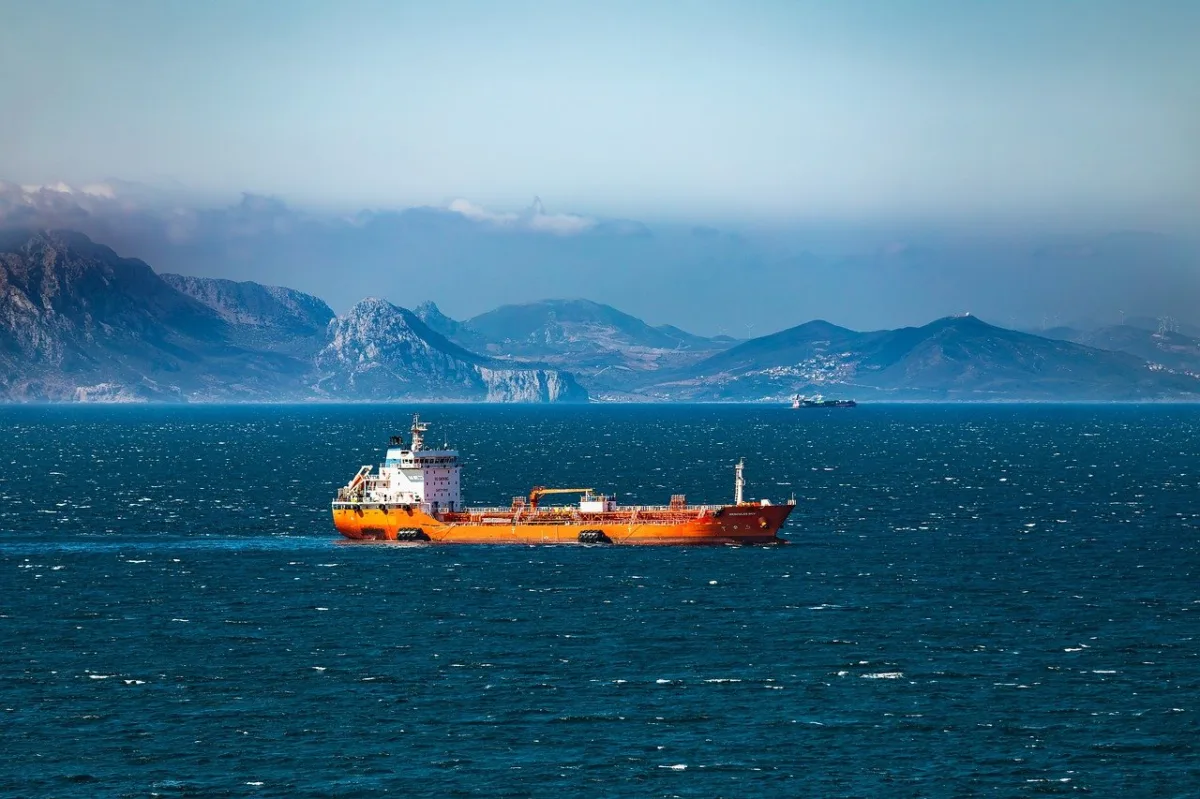
The Escalating Disconnect in Global Markets
Ten weeks after Iran began restricting shipping flows through the Strait of Hormuz in late February, a widening chasm has emerged between dire economic forecasts and the relative stability of global financial markets. While experts warn of an unprecedented energy shock and looming shortages of critical commodities like jet fuel, European governments and corporate leaders maintain a stance of cautious optimism, leaving the global supply chain in a state of precarious, if quiet, uncertainty.
The Context of the Strait of Hormuz
The Strait of Hormuz serves as the world’s most critical maritime chokepoint, with approximately 20% of global oil consumption passing through its narrow waters daily. Following the initial US-Israeli strikes in February, the regional conflict has effectively turned this strategic artery into a geopolitical flashpoint. Historical precedents suggest that disruptions of this magnitude typically trigger immediate market volatility, yet the current situation remains characterized by an unusual, potentially deceptive, calm.
Analyzing the Supply Chain Stagnation
Industry analysts point to a “degree of complacency” among major importers, who are currently relying on existing inventories to buffer against potential deficits. While major shipping lines have diverted routes around the Cape of Good Hope, the added costs of time and fuel have yet to fully cascade into consumer pricing. This lag, while providing a temporary sense of relief, masks the underlying fragility of just-in-time manufacturing models that define modern global trade.
Expert Perspectives on Future Risks
Economists at the International Energy Agency have cautioned that the lack of immediate price spikes does not equate to long-term security. Data indicates that while crude oil reserves currently sit at sufficient levels, the refinement capacity for jet fuel remains highly vulnerable to even minor interruptions in crude supply. Experts warn that as these buffer stocks deplete over the coming month, the market will likely experience a sharp, non-linear increase in volatility.
Implications for the Global Economy
For the average consumer and small-to-medium enterprise, the current period of stability is a window of opportunity rather than a sign of resolution. Industries heavily dependent on energy-intensive logistics—such as agriculture and manufacturing—are being urged to stress-test their supply chains for a scenario where shipping costs could double on short notice. If the current geopolitical stalemate persists, the transition from “stable” to “shortage” could occur rapidly, leaving firms with little time to secure alternative logistics.
Looking Ahead
Observers are now closely monitoring the upcoming quarterly earnings reports for early indicators of inventory depletion and rising operational costs. The primary concern for the remainder of the year will be whether global central banks can manage the inflationary pressure of a sudden energy spike without triggering the recession that many analysts have long feared. Market participants should watch for shifts in maritime insurance premiums and any movement in tanker traffic as the definitive metrics for the next phase of this crisis.